Subtotal R0,00

National News/ 04 September 2024, 14:38pm/ Lijeng Moruthane
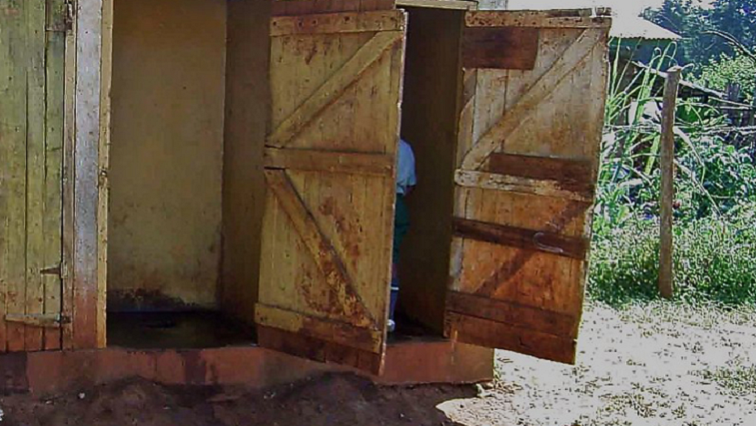
By Lijeng Moruthane: According to a report from the Basic Education Department, 287 schools in Limpopo, KwaZulu-Natal, and the Eastern Cape still rely on pit toilets as their main sanitation system.
In 2013, the Department of Basic Education (DBE) introduced public school infrastructure regulations, setting minimum standards for essentials like bathrooms, water, electricity, internet access, libraries, sports facilities, and laboratories.
These regulations were designed to make education departments accountable and to eliminate unsafe and inadequate sanitation facilities, which were present in 7,438 schools at the time.
The need for these standards became tragically clear through several incidents. In 2014, 5-year-old Michael Komape died after falling into a pit toilet, with similar tragedies occurring in 2017 and 2018.
Despite a deadline set for 2016 to eliminate pit toilets, progress has been slow.
In 2022, then-Minister of Basic Education Angie Motshekga proposed amendments to remove deadlines for eradicating pit latrines and providing basic services like water, electricity, and classrooms.
This proposal raised concerns, especially after the death of 4-year-old Langalam Viki in a pit latrine in 2023, highlighting the critical need for safe school infrastructure.
According to the latest Education Facility Management System released by the government in July 2024, approximately 1,770 pit toilets are still in use, eight years past the deadline for their removal.
After her appointment in June 2024, the new Basic Education Minister, Siviwe Gwarube, introduced several revisions to the rules of the South African National Assembly to enhance its ability to combat corruption and improve service delivery.
There is a direct link between the quality of school infrastructure and the quality of education students receive. Poor infrastructure, such as inadequate facilities and resources, adversely affects students’ educational experiences and outcomes.
The ongoing sanitation backlog in South African schools continues to be a significant obstacle to providing quality education for thousands of students.