Subtotal R0,00

KwaZulu-Natal/ 07 November 2025, 11:32am/ Ayanda Shezi
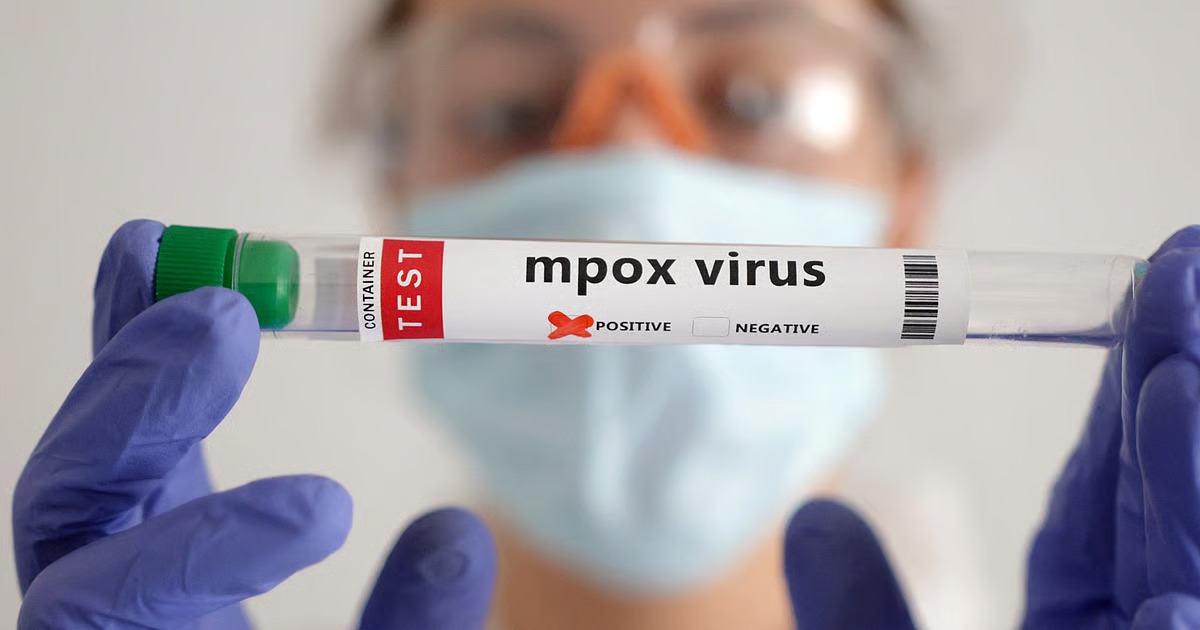
KwaZulu-Natal health authorities confirm a second Mpox case in the province. Image Supplied
By Ayanda Shezi: The KwaZulu-Natal Department of Health has confirmed that a 40-year-old man from the uMgungundlovu District has tested positive for Mpox, marking the second laboratory-confirmed case in the province since January 2025.
South Africa has recorded a total of 12 Mpox cases so far this year, with eight in Gauteng and two in KwaZulu-Natal. Health authorities say the risk to the public remains very low.
The patient initially sought medical attention at Eastboom Clinic on October 16, 2025, presenting with symptoms consistent with Mpox, including fever, rash, headache, and muscle pain. Following this, he was transferred to Northdale Hospital in Pietermaritzburg for further assessment and isolation.
A specimen collected on October 21 was sent to the National Institute for Communicable Diseases (NICD), which confirmed clade 1b Mpox on October 24. The patient remains in isolation under close medical supervision at Northdale Hospital and is receiving appropriate care.
To date, no secondary cases or transmission have been detected. Four close contacts have been identified and are being closely monitored according to national public health protocols.
Following the confirmed case, a descriptive investigation was launched in the uMgungundlovu District to trace potential exposure and ensure early detection of any further cases. The KwaZulu-Natal Department of Health is working closely with the NICD and other partners to maintain robust surveillance, rapid response, and effective containment measures.
Health authorities emphasized that Mpox is a rare viral illness that spreads primarily through close physical contact with an infected individual. Healthcare workers in the province are prepared to manage confirmed cases, with all necessary infection prevention and control measures in place.
The department encouraged residents to remain vigilant and to report any suspected symptoms—including fever, rash, headaches, swollen lymph nodes, or body aches—to their nearest healthcare facility.
“The KwaZulu-Natal Department of Health remains committed to safeguarding the health and wellbeing of all residents and will continue to provide updates as necessary,” the department said, reassuring the public that current protocols are sufficient to prevent wider spread.