
Subtotal R0,00

News/26 August 2026, 07:34am/ Mpho Mokoena
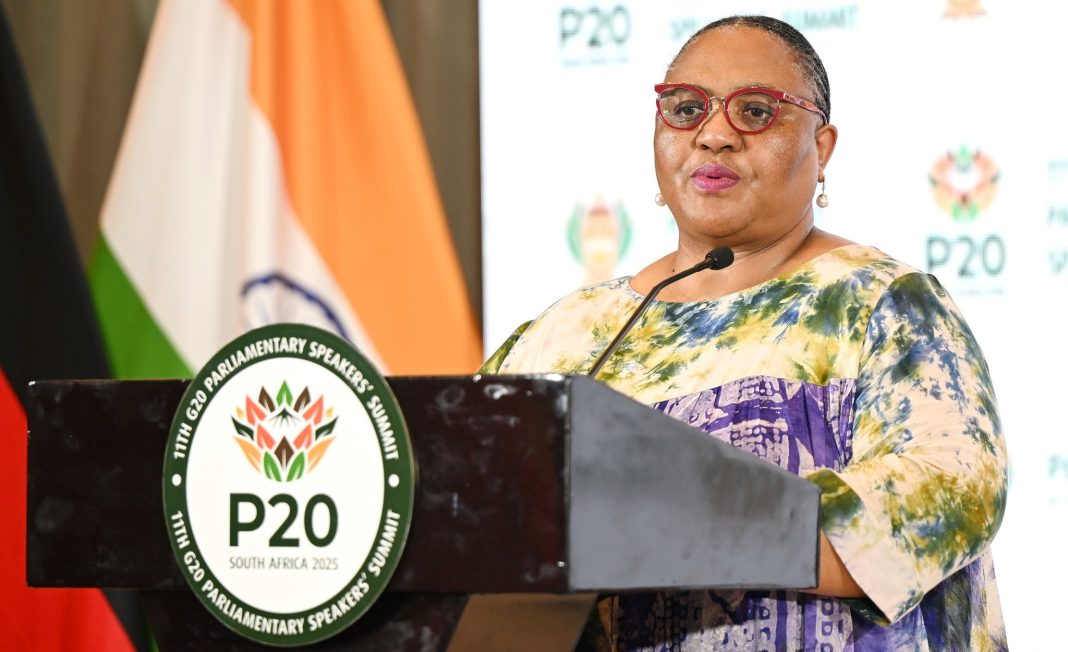
Thoko Didiza: Image Supplied
By Mpho Mokoena: National Assembly Speaker Thoko Didiza is set to confront a major political test on Wednesday, when Parliament debates a motion of no confidence in her leadership — the first such challenge to a Speaker in more than a decade.
The motion, brought by the Economic Freedom Fighters (EFF), puts the spotlight not only on Didiza’s conduct in office but also on the political tensions surrounding President Cyril Ramaphosa’s impeachment inquiry.
At the heart of the EFF’s case is its accusation that Didiza failed to act impartially and did not protect Parliament’s interests when handling legal matters connected to Ramaphosa’s bid to halt impeachment proceedings against him.
The party’s anger stems from a decision made in June, when Didiza chose not to oppose Ramaphosa’s court application seeking to interdict the impeachment process. The EFF maintains that the Speaker was not candid about the independent legal advice she obtained and alleges that she failed to implement advice that Parliament should defend the matter.
Wednesday’s sitting, however, will take place entirely online — a format the EFF believes could affect the dynamics of the vote.
EFF Member of Parliament Omphile Maotwe said the party had wanted MPs to meet in person, preferably under a secret ballot, arguing that this could have allowed legislators greater freedom to vote against their parties’ official positions.
“It’s very rare that you go against the party line. We would have loved it to be physical and even more so, a secret ballot because we believe the Speaker should really be removed.”
The virtual format means party discipline is likely to remain a decisive factor. In the National Assembly, MPs generally vote according to their parties’ instructions, making it difficult for opposition-backed motions to succeed without significant defections from the governing benches.
Still, Maotwe said the EFF views the debate as important regardless of the final tally. The party has lobbied other political formations to back the motion, but says a defeat would not erase the concerns it has raised about the Speaker’s decisions.
For Didiza, the debate carries the weight of Parliament’s recent history.
In 2014, then-Speaker Baleka Mbete survived a no-confidence motion after opposition parties accused her of shielding former President Jacob Zuma. A decade later, the office again finds itself under intense scrutiny, this time amid a clash over the limits of a Speaker’s legal and constitutional responsibilities.
More recently, in 2024, former Speaker Nosiviwe Mapisa-Nqakula avoided a no-confidence motion brought by the Democratic Alliance when she resigned amid corruption allegations. She is now standing trial.







