Subtotal R0,00


Northern Cape/ 24 January 2025, 11:50am/ Lijeng Moruthane

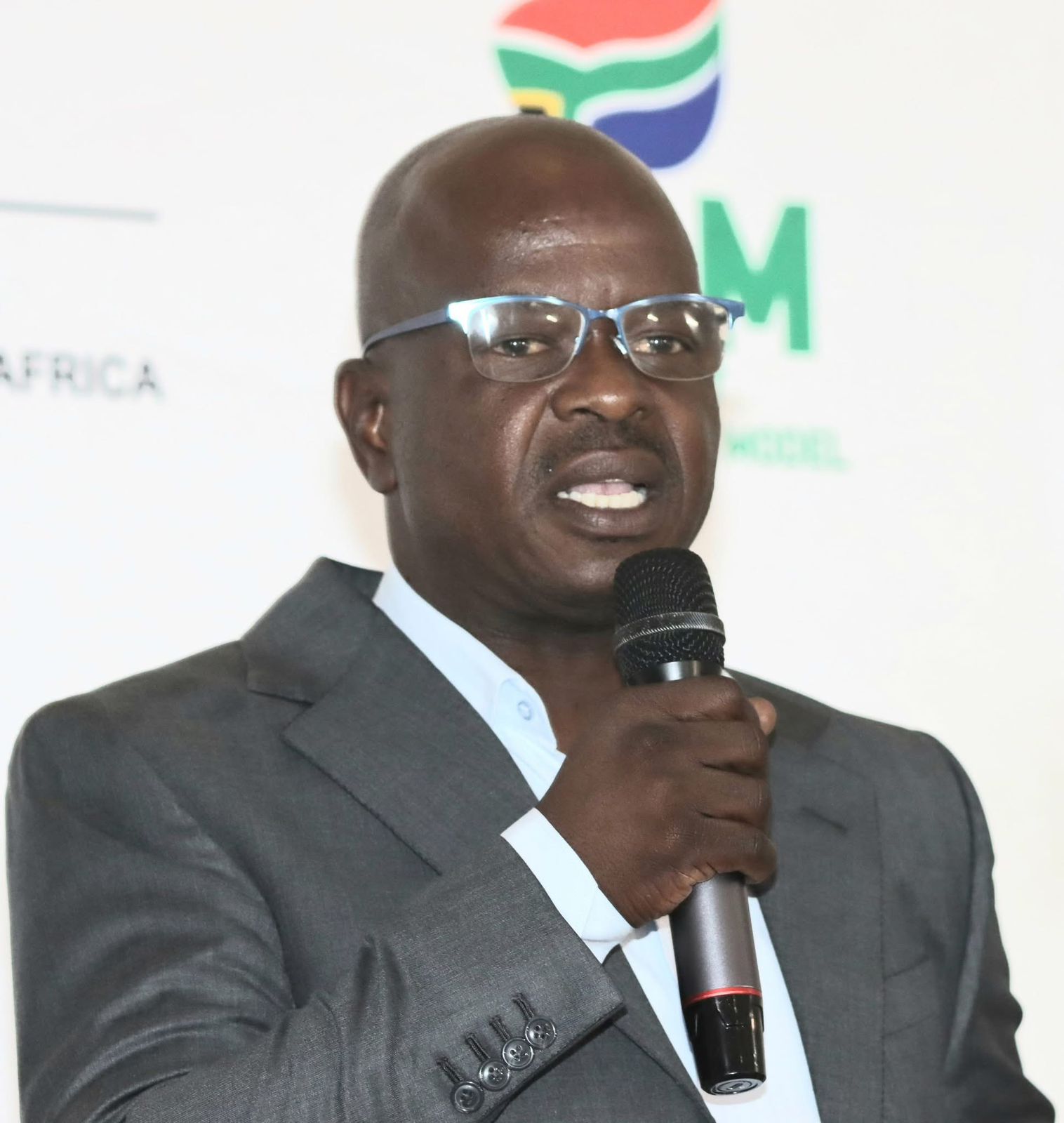
Northern Cape Education Department officials outline strategies for improvement on education performance and support programs: Image Supplied
By Lijeng Moruthane: The Northern Cape Department of Education has expressed its dissatisfaction with the province’s matric results ninth place ranking in the national education standings, despite improvements in the pass rate.
Media Liaison Officer Geoffrey Van Der Merwe stated, “We are definitely not satisfied with the 9th position and really believed, with all our 2024 support programmes provided to learners, that we would have been able to favourably change our position.”
However, he noted that being the most improved province and closing the gap with competitor provinces is encouraging, adding, “This sets a good foundation for improvement of our ranking in 2025.”
He highlighted Life Orientation and Mathematical Literacy as key contributors to the province’s underperformance, saying, “These are the main contributors to us not performing at the expected levels.” He added that the department is focused on improving the performance in these subjects to meet the 2025 targets.
Budget constraints have impacted the department’s ability to execute key interventions. “Budgetary constraints lead to the Province abandoning key interventions, i.e. Spring Camps, Incubation Camp, and Lock-in session for learners,” Van Der Merwe explained, acknowledging that these programs would have provided additional support for students.
The department is planning several immediate support programs for underperforming schools. “We have planned support programmes such as Saturday classes, winter camps, afternoon classes, and subject clinics,” he noted further emphasizing that the focus will be on targeted learners, including “overage learners, borderline learners, average-performing learners, top-achieving learners, and novice teachers.”
On the performance disparities between districts, Van Der Merwe stated, “Management and leadership in schools are generally better in these districts. There are fewer chronically underperforming schools, and the majority of schools remain in the top-performing bracket.” He believes that sound competition and strong stakeholder participation in districts like ZF Mgcawu and Pixley Ka Seme contribute to their better performance.
Regarding the department’s partnerships, Van Der Merwe pointed to collaborations with organizations such as the John Taolo Gaetsewe Development Trust and SIOC CDT, saying, “These partnerships have been key in supporting education improvement across the province.”
The department has also made strides in supporting rural and under-resourced areas. “These schools are prioritised in all support programmes and receive constant curriculum support,” Van Der Merwe affirmed. Educational tablets with preloaded software have been provided to Grade 10–12 learners in these areas to support their education.
In response to a slight drop in Physical Science pass rates, Van Der Merwe shared the department’s focus on boosting participation and performance in STEM subjects. “The newly established Sol Plaatjie University has only recently started to provide upskilling of Mathematics teachers, and the spin-offs will be seen in future years,” he said.
He also pointed to the department’s efforts to increase participation in Mathematics, explaining, “In 2024, the percentage of Mathematics learners in Grade 11 was at 34.8%. We’ve initiated programs to support learners in Mathematics from Grade 9 with the aim of increasing participation in the FET band.”
On teacher development, Van Der Merwe highlighted the department’s comprehensive training programs. “We have Teacher Development Programmes aimed at improving teacher education, as well as bursaries for teachers studying STEM subjects and languages to improve content knowledge,” he explained. There are also digital skills programs to help integrate ICT in the classroom.
Looking ahead to 2025, Van Der Merwe stated, “We aim to maintain our departmental bursary programme for STEM and language teachers, as well as continue with our digitalisation programme for FET students focusing on STEM subjects.”
Finally, in terms of resources, the department has provided significant support to educators. “Selected teachers received laptops loaded with software, and learners received printed and digital learning materials, as well as tablets with educational software pre-loaded,” Van Der Merwe confirmed. These efforts aim to enhance teaching and learning in the province, particularly in underperforming schools.
On a positive note, the Provincial Government marked one of its key achievements for the year, MEC for Education, Abraham Vosloo, proudly announced that the province had achieved a record-breaking pass rate of 84.2%, a significant milestone in the region’s educational progress.
Vosloo emphasized the importance of the achievement for both the education sector and the people of the Northern Cape. “So for Provincial Government, 2024 was a good year, and we are working towards an even better year in 2025,” he said.
He noted that while many may view these accomplishments as small milestones, they represent significant progress for the people of the Northern Cape. “For us, it is the little milestones that count,” Vosloo added, highlighting the continuous effort to improve educational standards and opportunities for the region.