Subtotal R0,00

Western Cape/ 20 September 2025, 11:23am /Staff Writer
 Nafiz Modack: Image Supplied
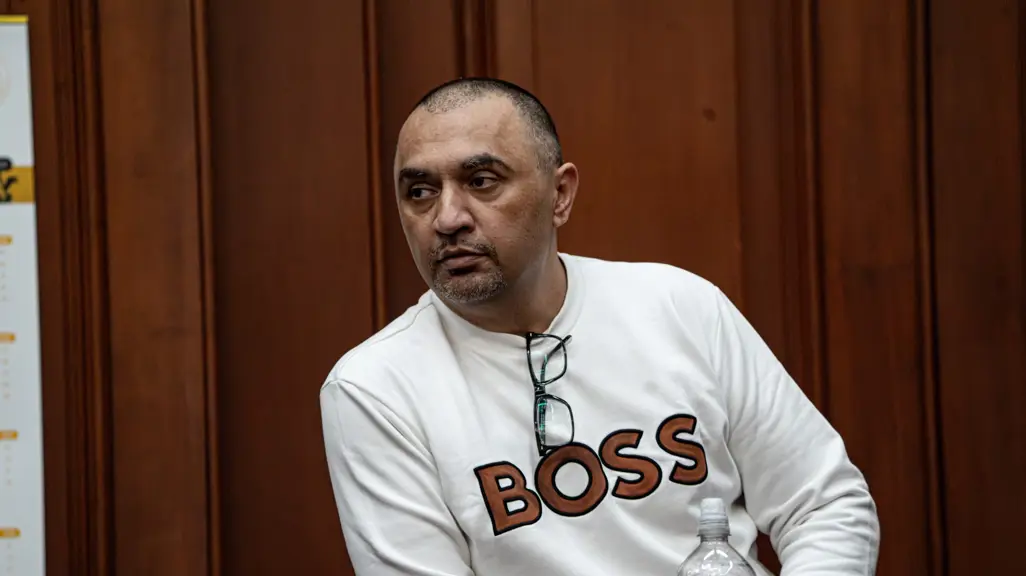
By Staff Writer: The man long alleged to wield influence over illicit networks Nafiz Modack, has been sentenced to ten years in prison, with three years suspended. The ruling, announced by the Western Cape High Court, marks a significant, if protracted, victory for prosecutors who spent years building a case against one of the city’s most notorious figures.
The sentence follows a dramatic and high-profile plea deal struck with Kolindren Govender, a former police officer who admitted to 51 charges as part of his own culpability in the sprawling web of corruption surrounding Modack. Govender, who once wore the insignia of law enforcement, confessed to assisting Modack in evading police investigations in exchange for bribes totaling R150,000.
Court filings describe Govender’s cooperation as the “linchpin” of the corruption strand in the Modack saga, a relationship that allegedly enabled the underworld figure to operate with a degree of impunity for years. In return for the bribes, Govender provided information that helped Modack dodge steps in the investigation process and avoid sturdy scrutiny from the very institution charged with upholding the law.
The corruption conviction, according to prosecutors, traces its origins to roughly 2011. It is a case that weathered nearly 14 years of legal wrangling, procedural delays, and the slow churn of testimony before finally delivering a verdict that will resonate through the court system and the city’s broader public discourse.
Public prosecutors cited a combination of factors that stretched the case over more than a decade. Among them were the late appearance of crucial witnesses, whose testimonies only reached the stand in the past year. Legal observers note that the accumulation of delayed testimonies, depositions, and the complexity of tying together disparate strands of corruption with a single narrative contributed to the extended timeline.
Defense attorneys, for their part, argued that the protracted process reflected the difficulty of prosecuting cases that involve layered networks of crime, bribery, and intimidation. They stressed the importance of ensuring that every link in the chain of evidence is solid before presenting a verdict to the court.
Modack’s legal troubles extend far beyond the 2011 corruption matter. He faces a battery of additional charges that include murders, attempted murder, tax fraud, extortion, and related crimes. The court has yet to adjudicate these charges, and investigators continue to press forward as Modack and his co-accused prepare for further appearances in the Western Cape High Court.
Law enforcement officials say the investigation into these allegations remains active. The case against Modack has been described by authorities as multi-faceted, with investigators seeking to map out associations, operations, and financial flows that underpinned the alleged criminal enterprises.
Reacting to the verdict, city residents and legal observers alike have weighed in on the implications for public safety and the rule of law. Supporters of the decision argue that the sentencing signals a stern message to organized crime: no one is above the law, and a determined judiciary can bring even the most entrenched criminal networks to account.
Critics, however, caution against drawing broad conclusions from a single conviction, noting that the broader web of alleged crimes surrounding Modack remains to be fully unraveled in court. They emphasize the importance of rigorous, transparent proceedings to ensure that justice is not only done but seen to be done.
Citizens also watched closely as authorities stressed that the investigation remains open and active. The Western Cape High Court has signaled that Modack and his co-accused will continue to appear in court as prosecutors push forward with the remaining charges, underscoring the ongoing nature of the pursuit of justice.