Subtotal R0,00

International News/ 24 March 2025, 10:50am/ Lijeng Moruthane
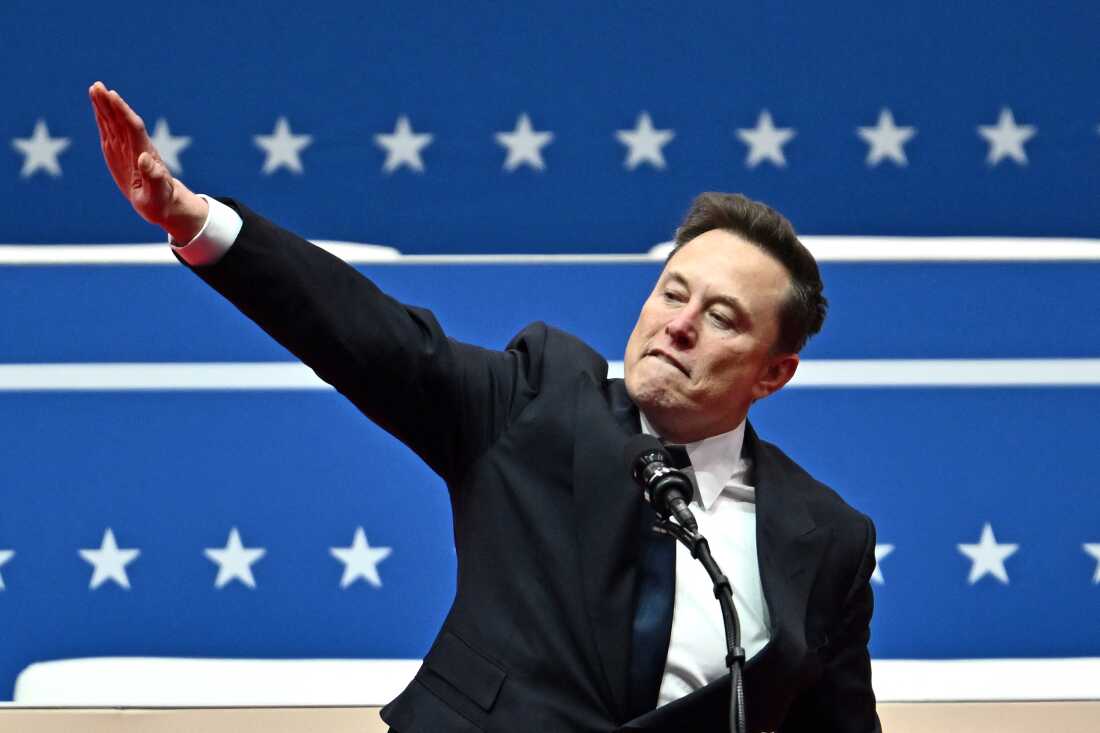
Elon Musk sparks backlash over ‘white genocide’ claims on X: Image Supplied
By Staff Writer: Elon Musk has sparked intense controversy with his recent claim that a major South African political party is actively promoting white genocide. The 53-year-old, born in South Africa and now a prominent figure in the United States, took to his social media platform X to express his concerns about Julius Malema, leader of the Economic Freedom Fighters (EFF), singing the contentious “Kill the Boer” song on Human Rights Day.
Musk’s post, which has garnered over 48 million views, alleges that the song calls for the extermination of the white population in South Africa.
“Very few people know that there is a major political party in South Africa that is actively promoting white genocide. The video below was just yesterday. A whole arena chanting about killing white people,” Musk wrote, sharing footage of Malema leading the crowd in the song.
The post quickly ignited a storm of reactions, with many accusing Musk of spreading dangerous misinformation. However, Musk’s comments align with his longstanding criticism of South Africa’s political climate, which he has frequently aired on his platform.
The claim that the song promotes genocide has raised questions about the country’s current political tensions, particularly surrounding land reform and economic empowerment.
In response to Musk’s accusations, it is important to note that the Equality Court in South Africa ruled in 2022 that the “Kill the Boer” song does not constitute hate speech. Judge Edwin Molahlehi dismissed the argument that the song incited violence, stating that it is part of South Africa’s struggle history and reflects the nation’s frustrations with the current government’s handling of land distribution and economic inequality.
Molahlehi emphasized that freedom of expression allows for the airing of diverse, sometimes controversial views, and the song’s message is rooted in historical context rather than an explicit call for violence.
Musk’s statement, however, seems to amplify concerns over land reform, where many white farmers have voiced fears of losing their property. His comments about Starlink not being available in South Africa due to his ethnicity further complicate the discussion, suggesting a racial undertone to his grievances.
The backlash to Musk’s post has been swift, with many South Africans condemning his remarks as sensationalized and harmful.
Critics argue that Musk’s large following could exacerbate already sensitive discussions about race, land, and power in South Africa, potentially fueling disinformation about the country’s political struggles.