Subtotal R0,00

National News/ 09 February 2024, 07:56am/ Staff Writer
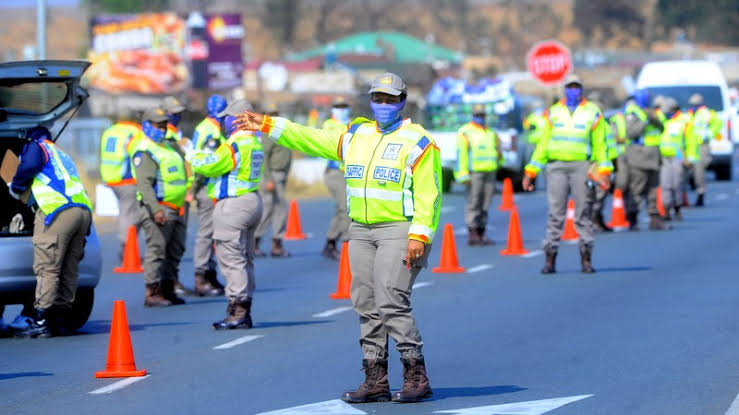
Traffic Officers: Image supplied
By Staff Writer: Amidst delays in the second phase of the Administrative Adjudication of Road Traffic Offences (AARTO) Act rollout, municipalities in South Africa are facing significant financial and operational challenges in implementing the controversial system. A new report warns that the AARTO Act could lead to the shutdown of local traffic services due to revenue losses and administrative complexities.
The AARTO Act, a new set of laws and regulations governing traffic offences and violations across South Africa, has been in force in Johannesburg and Tshwane since 2008, excluding the points demerit system, which will be entirely new to all motorists in the country. The system aims to transfer the handling of fines and traffic violations from the country’s courts and the Criminal Procedures Act to the Road Traffic Infringement Authority (RTIA) on a national basis.
According to a report recently presented at the Swellendam local municipality council meeting by the Organisation Undoing Tax Abuse (Outa), municipalities are concerned about potential revenue losses from fines, which could force local governments to seek alternative sources of income. The report highlighted that up to 50% of traffic fine revenue could be diverted from municipalities to the RTIA, resulting in millions of rands in lost income.
Key concerns raised in the report include the financial impact on municipalities, uncertainties in recovering owed money, and administrative complexities. The municipalities noted that under the AARTO system, they would be responsible for covering the costs of notices to alleged infringers, including working with the South African Post Office, whose future is uncertain. Additionally, fines issued by municipalities would have to be paid over to the RTIA, with no guarantee on payback time frames.
The Swellendam municipal manager emphasized the significant financial implications of AARTO for the municipality, stating that potential losses could lead to the shutdown of traffic services and reductions in other essential functions, ultimately impacting the financial well-being of the municipality.
Furthermore, the report highlighted that the loss of revenue from provincial traffic fines could range from R5 million to R7 million, while municipal fines could decline by about R7 million. This financial strain raises questions about how municipalities will balance their budgets, potentially leading to cross-subsidies from other tariffs or cuts in expenditures, which could impact households and service delivery.
Moreover, the report pointed out that many municipalities lack the revenue base to absorb the potential revenue loss, as they would need to invest in new infringement books, software, ICT equipment, and staff training to comply with AARTO requirements.
In light of these challenges, the Road Traffic Infringement Agency announced the postponement of the implementation of the second phase of the AARTO Act rollout. The delay is attributed to the agency and the Department of Transport finalizing certain issues required for the Proclamation of the AARTO Amendment Act.
The postponement comes after the Constitutional Court affirmed the constitutionality of the new AARTO system in mid-2023. While Phase 1 of the AARTO rollout, which began in 2021, has been completed, Phase 2, involving the introduction of AARTO in 69 municipalities, has been put on hold until further notice.
The uncertainties surrounding the AARTO Act rollout and its financial implications have left municipalities grappling with significant challenges as they seek to navigate the complexities of implementing the new traffic enforcement system.