
Subtotal R0,00

Health/24 September 2026, 07:12am /Staff Writer
By Staff Writer: South Africa’s fight against mpox has entered a new phase, with four newly confirmed infections pushing the national total to 22 and reinforcing concerns about ongoing transmission across provincial borders.
While the Western Cape remains the country’s clear hotspot, health authorities say the spread of cases beyond one region — together with links to international travel — underlines the importance of rapid reporting, testing and public awareness.
The Department of Health (DoH) confirmed that 18 of the 22 recorded infections are in the Western Cape. Gauteng has reported three cases, while KwaZulu-Natal has registered one.
Among the latest cases is a 47-year-old man from Cape Town who recently travelled to Spain. The new infections also include German and Norwegian nationals, adding an international dimension to the country’s unfolding public-health response.
All but one of South Africa’s confirmed mpox patients are men.
DoH spokesperson Foster Mohale urged people who may have been exposed to remain vigilant for signs of illness and to seek help quickly if symptoms develop.
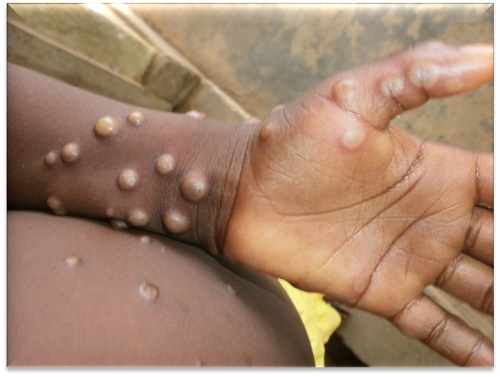
“The public is reminded that mpox symptoms may include fever, headache, muscle aches, back pain, fatigue, and a rash or skin lesions that can appear on the face, hands, feet, genitals, or other areas of the body. Anyone who has been in close contact with a confirmed case within the past 21 days and develops symptoms should seek medical attention promptly and inform healthcare providers of their exposure history.
“While most cases remain concentrated in the Western Cape, the identification of transmission clusters and cases across multiple provinces highlights the need for sustained public cooperation, early detection, and continued surveillance to prevent further spread.”
Health officials have stressed that early medical attention is critical, both for the wellbeing of affected individuals and for limiting further transmission. As surveillance continues, the department is calling on the public not to ignore symptoms or possible exposure — particularly after close contact with a confirmed case.
With the Western Cape still carrying the heaviest burden, authorities now face the challenge of containing local clusters while tracking cases with travel links and preventing the virus from gaining a stronger foothold in other provinces.







