
Subtotal R0,00

News/19 August 2026, 07:56am/ Dakalo Mulaudzi

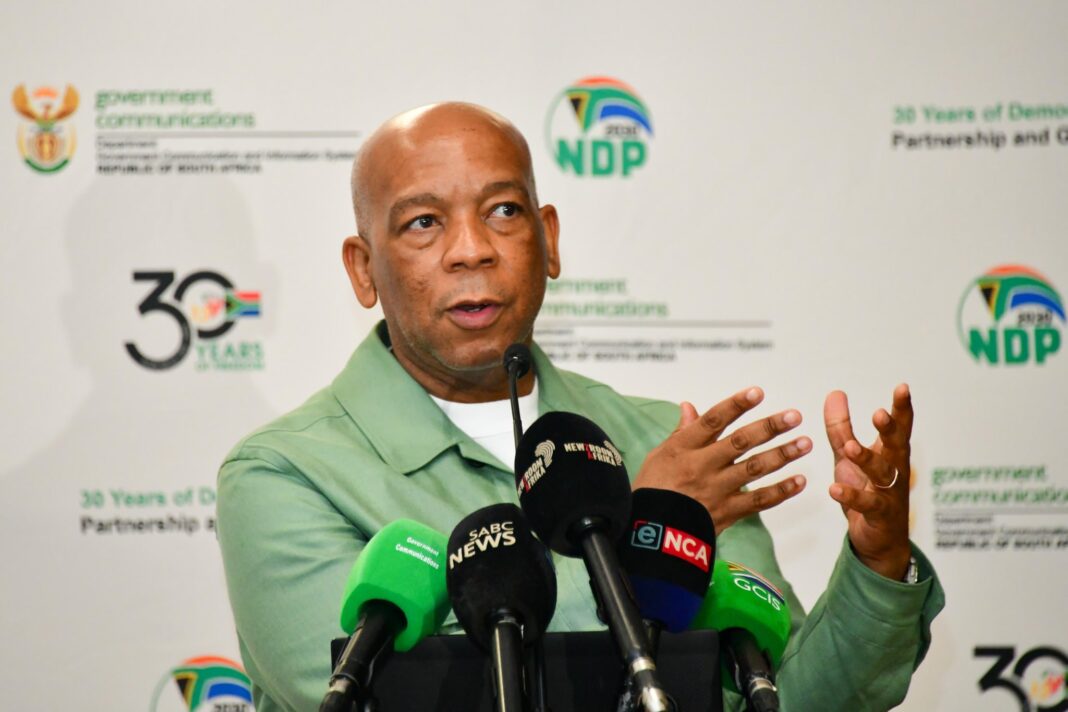
Kgosientsho Ramokgopa: Image Supplied
By Dakalo Mulaudzi: South Africans may soon be able to read their electricity bills like a financial report rather than a single, confusing figure.
Under a revised electricity pricing policy unveiled by Electricity and Energy Minister Kgosientsho Ramokgopa on Tuesday, consumers could gain a clearer breakdown of exactly what they are paying for — and why.
The proposed changes are aimed at making electricity tariffs more transparent, affordable and fair, while preventing households that pay their accounts from carrying the financial burden created by municipal debt, inefficiency and non-payment.
“What we’re also doing with the pricing policies is to provide a framework for transparent and efficient cost-reflective tariffs,” Ramokgopa said.
Instead of receiving an unexplained total, consumers would see the various components that make up their bill. These could include energy and generation costs, transmission and distribution network charges, ancillary services and municipal surcharges.
The minister said the reform would give consumers a direct view of how electricity costs accumulate before reaching the final amount on their bills.
“It must be able to itemise how the municipality or Eskom has arrived at that which they say you owe the municipality or you owe Eskom,” he said.
One of the most politically sensitive elements of the proposed policy is its attempt to stop compliant consumers from subsidising those who do not pay.
Ramokgopa criticised the current system, under which Eskom can recover some municipal debt through electricity tariffs. This means customers who consistently settle their bills may effectively pay more because municipalities are unable to collect money owed to them.
“You are not allowed to punish those who are paying on account of those who are not paying,” Ramokgopa said.
He estimated that between 1 and 2.5 percentage points of the current electricity tariff could be linked to Eskom’s inability to recover municipal debt.
The revised policy is intended to prevent these costs from being transferred to consumers who meet their obligations.
The policy also proposes a modernised system for administering free basic electricity to poor and vulnerable households.
Government plans to link electricity beneficiary information with Home Affairs records and social grant databases. The aim is to identify qualifying households more efficiently and reduce the administrative pressure currently placed on municipalities.
“So there’s a good chance someone who qualifies on a social grant, the person is most likely to also qualify for free basic electricity,” he said.
The proposed system would include automated annual verification. This would allow household eligibility to be reassessed as people’s financial circumstances change, helping ensure that assistance reaches those who need it most.
Ramokgopa said municipalities, particularly large metropolitan authorities, currently face a substantial burden in maintaining and updating their beneficiary databases.
The pricing reforms come as government points to progress in stabilising the electricity system.
Ramokgopa said South Africa had effectively turned the corner on load shedding and expressed confidence that the improvement could be sustained.
“I’m confident that we are going to maintain this momentum going into the future and we’ll speak of load shedding in the past tense,” he said.
He also announced that load reduction had been eliminated in seven of the country’s nine provinces — ahead of the government’s October target.
The Eastern Cape became the seventh province to reach the milestone last week. Gauteng and KwaZulu-Natal remain the only provinces where load reduction is still being addressed.
Government has previously set March 2027 as the deadline for completing the work, but Ramokgopa said the remaining challenges could be resolved sooner. He cited the support of Gauteng Premier Panyaza Lesufi and KwaZulu-Natal Premier Thami Ntuli.
The minister said government would return to the public with further details on how it plans to ensure that load reduction does not return.
The new policy will also make room for negotiated electricity pricing agreements for energy-intensive industries considered strategically important to the economy.
The aim is to protect major industrial users from closure and prevent further job losses. Ramokgopa said government was already engaging with large electricity consumers, including smelters, and had disclosed discussions with Samancor and Glencore.
About seven other companies are being considered for concessional tariffs.
The policy is expected to guide the decisions of the National Energy Regulator of South Africa, Eskom, municipalities and new participants entering the increasingly liberalised electricity market.
That expanded market includes independent power producers, electricity traders and companies involved in bilateral electricity supply agreements.
The result could be a major shift away from an electricity system dominated solely by Eskom and municipalities.
At its core, the revised policy seeks to make the electricity market easier to understand, harder to misuse and more responsive to the needs of ordinary consumers, vulnerable households and productive industries.







