
Subtotal R0,00

News/07 May 2026, 11:06am/Sipho Gumede
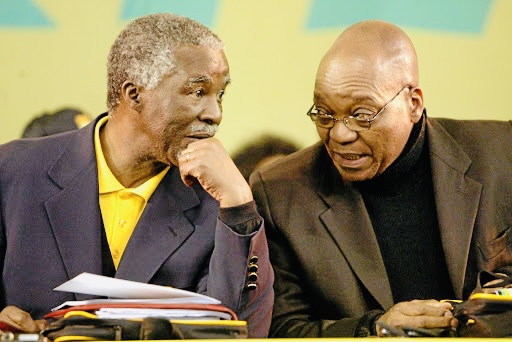
By Sipho Gumede: A fierce new front has opened in South Africa’s struggle over apartheid-era justice, with former presidents Jacob Zuma and Thabo Mbeki urging President Cyril Ramaphosa not to extend the life of the TRC Cases Inquiry — a move that shifts the spotlight from the commission itself to the growing resistance around it.
Rather than centring only on the inquiry’s work, the latest developments reveal a bigger story: an increasingly bitter clash over legitimacy, judicial protection and how far the state should go in revisiting the unfinished business of the Truth and Reconciliation Commission.
Zuma and Mbeki have opposed an application to extend the inquiry, telling Ramaphosa he should not grant it more time. Their intervention comes after a failed legal bid to remove retired Justice Sisi Khampepe as chairperson of the commission.
The inquiry is investigating claims that there was political interference in blocking prosecutions linked to apartheid-era crimes — cases many believed should have proceeded after the TRC process.
Last December, Ramaphosa granted the commission an extension until 31 July 2026 to submit its final report. But the former presidents now want the process halted from stretching even further, intensifying a dispute that is no longer just about timelines, but about confidence in the chair and the credibility of the inquiry itself.
Zuma and Mbeki had previously approached the court to have Khampepe removed, accusing her of failing to disclose recommendations she made on TRC cases referred to the National Prosecuting Authority during her time as a deputy director. They also pointed to the role she played earlier during TRC hearings, arguing that the full extent of that involvement was not properly disclosed.
According to the former presidents, this creates a reasonable apprehension of bias and undermines her ability to lead a commission tasked with investigating whether political actors interfered in decisions not to prosecute apartheid-era matters.
They wanted the court to overturn Justice Khampepe’s refusal to recuse herself from the commission.
But last month, the Gauteng High Court said it did not have jurisdiction to decide the matter.
In a majority judgment backed by two judges, the court upheld a preliminary point raised by the Khampepe Commission: because Khampepe is a judge, even though retired, Zuma and Mbeki first needed permission from Chief Justice Mandisa Maya before launching proceedings against her.
That requirement comes from Section 47 of the Superior Courts Act, which says the head of court must approve legal proceedings against a judge. The protection exists, “amongst others,” to shield judges from being dragged to court by unhappy litigants angered by comments made in judgments.
Advocate Tembeka Ngcukaitobi, appearing for the commission, argued earlier that the matter should be struck from the roll because it was not properly before the court. His submission was that Section 47 makes it clear that a judge — including a retired judge — cannot face civil proceedings, “which includes a review application in this case,” without prior approval from the head of court.
That approval had not been obtained.
In a sharply worded submission, Ngcukaitobi said of Khampepe: “She is left to dry on her own.” He pointed out that Section 47 was the only protection available to her, and that she was being denied it.
Zuma and Mbeki had countered that no such consent was necessary because Khampepe is retired and is chairing a commission rather than exercising active judicial functions.
The court disagreed.
Acting Deputy Judge President Thifhelimbilu Mudau, who wrote the concurring judgment, said Khampepe may be retired, but she is still performing public service as chairperson of the commission and remains bound by her judicial oath and the ethical duties attached to her office.
“She is entitled to the same protections as a judge in active service, precisely because the threats to judicial independence, vexatious litigation and personal attacks are no less real in the commission context,” Mudau said.
He added that the president’s own concerns about potential “public criticism of the commission” highlighted the very real pressures facing a judicial officer in such a role.
Mudau then underlined the legal consequence of Zuma and Mbeki’s failure to seek prior consent.
“Consent must be obtained before proceedings are instituted. Once proceedings are launched without consent, they are a nullity from the start and cannot be validated,” the judge said.
Ramaphosa, for his part, did not oppose the application to remove Khampepe, but said he is not empowered to dismiss her. That authority, he maintained, lies with the court.







