
Subtotal R0,00

News/ 17 January 2026, 07:12am/Sipho Gumede

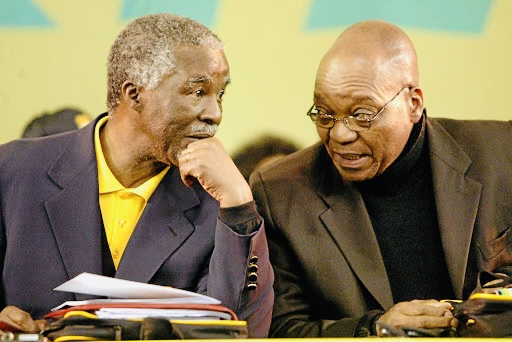
By Sipho Gumede: A high-stakes legal battle has erupted at the heart of South Africa’s renewed push to confront apartheid-era atrocities, with former presidents Jacob Zuma and Thabo Mbeki seeking the recusal of Justice Sisi Khampepe from the commission probing why landmark cases were never prosecuted — and why others stalled for decades.
But as the application landed before a panel hearing the matter, lawyers representing families of victims delivered a blunt warning: removing Khampepe now could set the inquiry back yet again, compounding years of frustration for those who have waited for answers and accountability.
President Cyril Ramaphosa appointed Khampepe in May to lead the Commission of Inquiry tasked with investigating the reasons behind the failure and delays in prosecuting apartheid-era crimes. The commission is also examining allegations of political interference in the investigation of cases linked to the Truth and Reconciliation Commission (TRC) process — and Zuma and Mbeki are both required to testify.
At the centre of the former heads of state’s challenge is Khampepe’s history in the justice system. Zuma and Mbeki argue that she cannot fairly chair the proceedings because she served as a commissioner in the original TRC and was also deputy director of public prosecution in the 1990s — roles they claim create an unavoidable conflict in an inquiry dealing directly with TRC-era decisions and their aftermath.
Zuma’s filings go further, contending that Khampepe harbours personal hostility toward him because she delivered the 2021 Constitutional Court judgment that resulted in his imprisonment. His legal team has also defended the strong language used to describe Khampepe in court papers, insisting it was justified in setting out their client’s case.
Victims’ families, however, say the bigger issue is what the application threatens to do to the inquiry itself.
Advocate Howard Varney, appearing for the families, urged the panel to view the recusal bid through the prism of delay — and the consequences of delay for people who have already spent years, even decades, without prosecutions.
“The late bringing of recusal applications can have quite a massive impact; it can delay proceedings further and it can even derail them,” Varney argued. “This would not be in the interest of justice, and it would definitely be a problem for the families and the wider public to have to wait longer, given how long they have had to wait for this commission.”







