Subtotal R0,00

Gauteng/ 29 October 2025, 11:40am/ Ayanda Shezi
Tshwane addresses vendor concerns with official trading certificates to promote compliance and restore order in Marabastad. Image Supplied
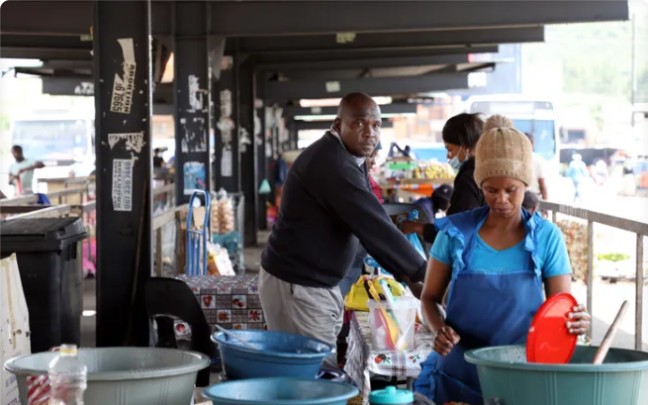
By Ayanda Shezi: After months of uncertainty and outcry, the City of Tshwane has issued official trading certificates to vendors in the Marabastad retail market, marking a major turnaround following the temporary shutdown of the area in August.
The bustling informal trading hub—one of the city’s oldest commercial zones—was abruptly closed earlier this year when officials discovered that many food vendors were operating without a valid certificate of acceptability for food handling. The closure left hundreds of small-scale traders unable to earn a living, sparking an uproar from community organisations and political parties who accused the municipality of being heavy-handed.
Civil groups such as the South African Union Council of Independent Churches condemned the move as a “travesty of justice,” while the Democratic Alliance (DA) warned that the city’s actions risked eroding investor confidence and driving job losses in an already struggling economy.
The Unified South African Traders went a step further, vowing to resist any future municipal crackdowns on non-compliant businesses. The dispute eventually landed in court, with the Gauteng High Court intervening to suspend the closure and ordering traders to file the necessary compliance applications by August 8, 2025.
Now, just weeks later, the city says it has achieved what officials describe as a “remarkable turnaround” in Marabastad’s trading environment.
Municipal spokesperson Lindela Mashigo said the city was “thrilled” with the progress made since the August shutdown, adding that the new trading certificates symbolise a partnership between the municipality and traders rather than punishment.
“Contrary to perceptions in some quarters, the city’s approach to addressing non-compliance with food safety and trading regulations has never been punitive in nature. Rather, it has been corrective and developmental, focused on building a culture of lawful, sustainable and responsible trading,” Mashigo said.
According to him, traders who have met food safety, hygiene and permit requirements are now reaping the benefits of greater market stability and customer confidence.
“This renewed business confidence is helping to reposition Marabastad as one of the capital’s most vibrant commercial nodes,” he added. “The area has evolved from being a site of frequent by-law breaches into a regulated and prosperous marketplace that balances economic opportunity with public welfare.”
Mashigo emphasised that compliance not only protects consumers but also strengthens the local economy. “When traders follow the rules and the city provides fair oversight, jobs are protected, and businesses can grow,” he said.
To ensure that the same issues do not recur, the City of Tshwane has intensified its education and outreach programmes targeting informal traders. Officials have introduced regular health inspections, training workshops and business management sessions designed to help vendors understand and comply with municipal by-laws.
Mashigo credited trader associations for their cooperation, saying they have been instrumental in translating policy into practice and encouraging members to self-regulate.
“Trader associations have been key partners in this journey,” he said. “Their collaboration ensures that compliance is not just a box-ticking exercise but part of a broader culture of responsible entrepreneurship.”
The city’s long-term goal, he added, is to strike a balance between maintaining order and supporting economic inclusivity.
According to the city, the newly issued official trading certificates serve as a visible affirmation of traders’ lawful standing and their commitment to hygiene, safety and responsible business practices.
“These certifications do more than legitimise operations,” Mashigo explained. “They build trust between traders, consumers and the city, ensuring that economic benefits flow equitably through the community.”
Tshwane’s MMC for Economic Development and Spatial Planning, Sarah Mabotsa, has consistently emphasised that regulation is essential to ensuring public health and fairness in the trading environment.
She previously outlined the city’s expectations: every trader must attend a compulsory street-trading workshop, comply with fire, health and safety regulations, and hold a valid trading licence to operate legally in Tshwane.
City officials argue that such requirements are not meant to discourage informal business but to create a more predictable and professional trading ecosystem.
As Mashigo put it, the city’s vision is not merely about enforcement but empowerment. “Our focus is on ensuring that every trader operates within the law while being given the tools to succeed. A compliant marketplace is a thriving marketplace—and that’s good for everyone in Tshwane,” he said.