Subtotal R0,00

Gauteng/ 07 February 2025,11:40am/ GoodWill Mathebula
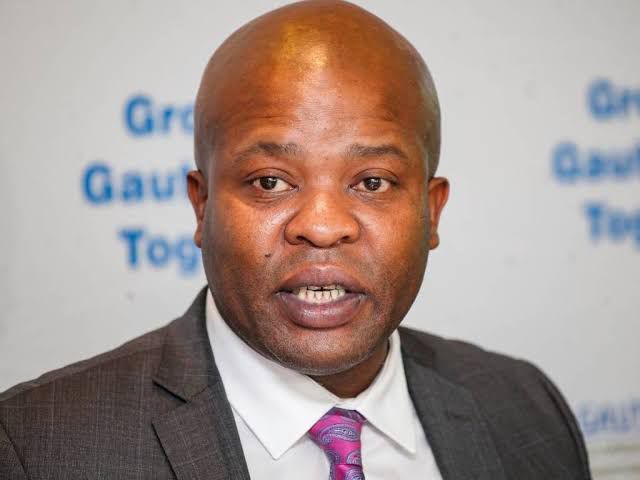
Gauteng Finance and Economic Development MEC Lebogang Maile: Image Supplied
By GoodWill Mathebula: Gauteng Finance and Economic Development MEC Lebogang Maile has issued a strong alert regarding the escalating issue of illegal mining in Gauteng, emphasizing the urgent need for intervention.
Speaking on the sidelines of African Mining Indaba in Cape Town, Maile voiced significant worries about the widespread illegal mining activities occurring in critical regions, including Langlaagte, Zamimpilo, Riverlea, Selby, Dobsonville, Roodepoort, Florida, and Cleveland.
“Gauteng is not only the country’s economic hub but also home to approximately 160 mining companies. The rise of illegal mining in these regions poses a serious threat to our economy,” Maile stated. He emphasized that the government must engage in proactive discussions to find a lasting solution to this growing crisis.
“We are concerned about illegal mining, and that is why we are saying it is time to have conversations to formalize the sector. How do we help those who are already doing this to stop illicit mining and regulate it properly so that they can contribute to revenue and help fight poverty and unemployment?” Maile added.
Maile’s comments come in the wake of alarming statistics and reports highlighting the detrimental impact of illegal mining on both the economy and local communities. The practice not only undermines lawful mining operations but also poses significant risks to public safety and environmental integrity.
In a recent operation, Gauteng police made significant strides in addressing illegal mining activities. On January 8, 2025, officers arrested 14 illegal immigrants suspected of engaging in illegal mining in Daveyton as part of Operation Vala Umgodi. During this operation, authorities confiscated an array of tools commonly used in illicit mining, including 19 pendukas (handheld mining tools), 10 motors, 215 iron balls, and four generators.
Moreover, the police uncovered dangerous explosives during their search, which included 100 metres of detonating cord, five Carmex connector capped fuses, and 12 Superpower 90 blasting cartridges. This discovery highlights not only the scale of illegal mining but also the potential hazards it poses to local communities and law enforcement.
Lieutenant-General Godfrey Lebeya, head of the Hawks, echoed Maile’s sentiments, stating that illegal mining continues to threaten the growth potential of the South African economy. “If we do not address this issue, the ramifications will be felt far beyond the mining sector,” he warned.
In a collaborative effort to combat this issue on a broader scale, the Directorate for Priority Crime Investigation, known as the Hawks, has partnered with the United Nations Office on Drugs and Crime. This partnership aims to tackle illegal mining through international cooperation and comprehensive strategies.
Last September, a UN delegation, accompanied by various ambassadors, visited the Sibanye Stillwater mine on Gauteng’s West Rand, where they joined Lebeya to assess the extent of the illegal mining challenge in the province. Their findings underscored the urgency of the situation and the need for immediate intervention.
As illegal mining operations continue to proliferate, Maile’s call for a structured approach to formalizing the sector reflects a growing recognition of the complex socio-economic factors driving individuals into illicit operations. “We need to address the root causes of why individuals engage in illegal mining,” he noted. “Only then can we create sustainable alternatives that empower communities and protect our economy.”
The Gauteng government’s commitment to tackling illegal mining will be critical in shaping the future of the province’s mining landscape. The dialogue initiated by Maile at the Mining Indaba could pave the way for innovative policies aimed at curbing illegal activities while simultaneously fostering economic growth and alleviating poverty in affected communities.