Subtotal R0,00

Limpopo/ 19 November 2024, 13:00pm/ Viki Stuurman
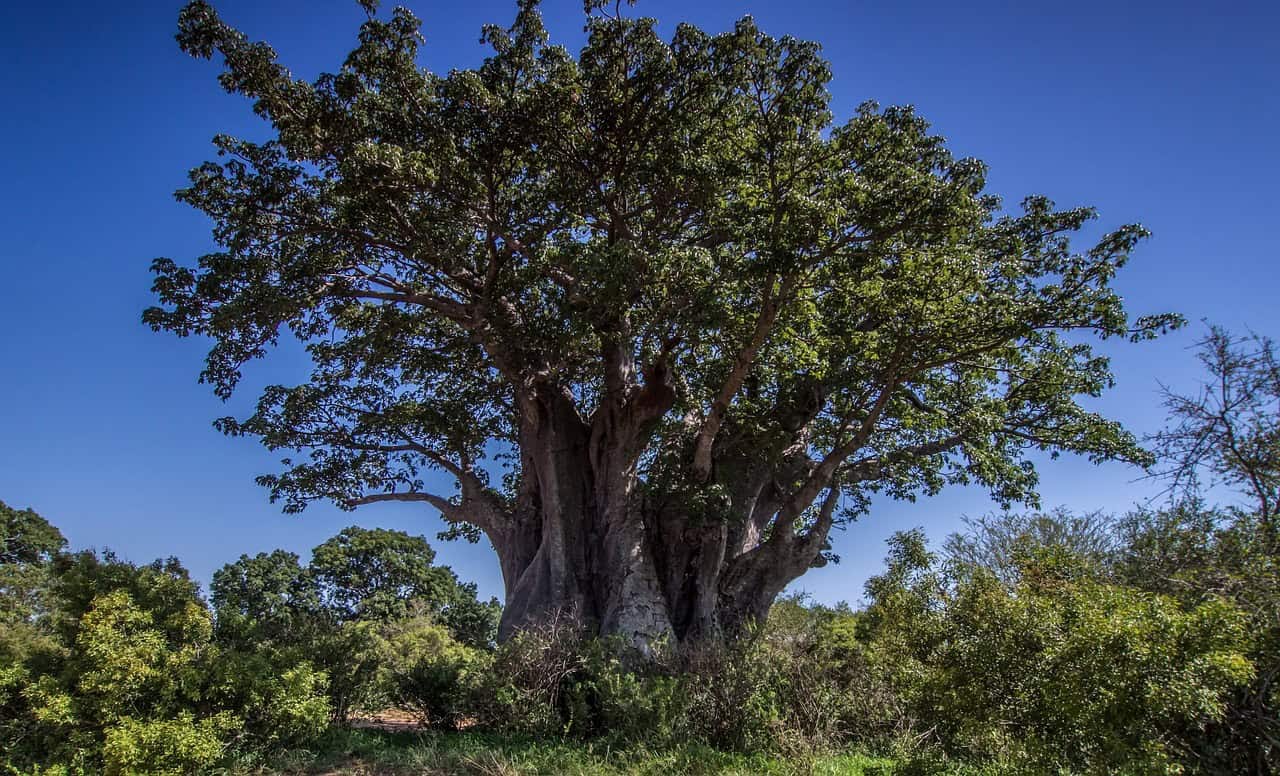
More than 125 000 hectares Vhembe Biosphere Reserve, including thousands of protected trees, are set to be destroyed to make way for coal mining and heavy industrial zones in the MMSEZ in Limpopo: Image Supplied
By Viki Stuurman: Environmental experts have raised serious concerns about the potential devastation caused by the Musina-Makahado Special Economic Zone (MMSEZ) in northern Limpopo, following the approval of a plan to clear up to 600,000 protected indigenous trees.
The project, which is set to make way for coal-driven industrial development, has sparked alarm among specialists who warn of catastrophic consequences for the region’s delicate ecosystem.
The concerns center on the Vhembe Biosphere Reserve, a protected area that could lose over 125,000 hectares of indigenous vegetation as part of the MMSEZ construction.
This includes the clearing of land for ten new open-pit coal mines, which will feed into the industrial zone.
“It is unclear how many trees and other vegetation will eventually be lost as large parts of the Vhembe will be transformed from natural habitat into industrial wasteland,” said Lauren Liebenberg of Living Limpopo.
Liebenberg, along with other environmental specialists, is particularly concerned about the impact on the region’s biodiversity.
“The effects on the ecosystem of the savanna biome, which is home to a wide range of wildlife, could be devastating,” he added.
This includes the removal of iconic trees such as Baobabs, Marulas, Leadwoods, and Shepherd’s trees, all protected by law.
In an effort to uncover the full extent of the project’s environmental cost, Living Limpopo obtained documents detailing the licensing process for tree removal at the MMSEZ sites.
These documents, made available following a formal request under the Protection of Access to Information Act, show that 658,058 trees—an alarming number—will need to be felled across two sites in the zone, the 8,000-hectare South Site and the 3,500-hectare North Site.
Despite warnings from specialists about the potential environmental hazards, the Department of Forestry, Fisheries and the Environment (DFFE) granted environmental approval for the project in July 2022.
This approval came despite several objections from experts who pointed out flaws in the Environmental Impact Assessment (EIA) process.
Critics argue that the assessment overlooked crucial factors such as long-term ecological damage and the impact on local communities.
According to Liebenberg, the current approval allows for the removal of 1,000 trees on the North Site, with further clearances expected to follow.
The documents also suggest that 109,034 protected trees are at risk on the South Site, as per the 2021 EIA, though the clearance proposal in 2022 indicated that chainsaws would be used to chop trees into stumps, further fueling concerns about the scale of the deforestation.
Living Limpopo and other environmental groups have launched a campaign to challenge the project’s environmental authorization.
They are actively involved in the ongoing review of related licenses, including those for water use and emissions for the ferrochrome smelter, coal washery, and coking plants proposed for the MMSEZ South Site.
In addition to challenging the environmental authorization, Liebenberg has called for greater public involvement in protecting the region’s natural resources.
“We need more people to join the movement and stand against this environmental disaster. It’s vital that we work together to prevent the loss of our national treasures,” he urged.