Subtotal R0,00

Limpopo/ 08 October 2024, 11:48am/ Anele Ndlovu
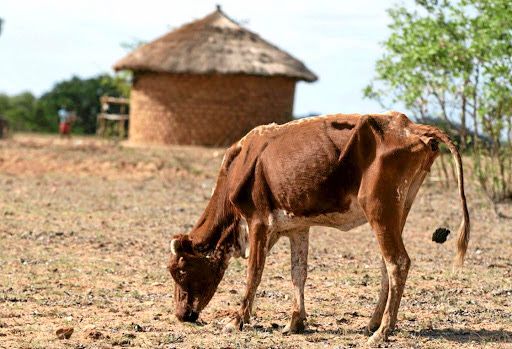
Emerging farmers, often less financially secure than their commercial counterparts, are in a particularly precarious position: Image Supplied
Anele Ndlovu: As the scorching sun beats down relentlessly on Limpopo, farmers are facing a grave challenge that jeopardizes their livelihoods — a persistent drought that has been ongoing since the beginning of the year.
Rain gauges in the province have recorded only 5 to 10mm of rainfall since January, with particularly hard-hit areas like Lephalale, Giyani, and Tzaneen facing a crisis that could have lasting impacts on the agricultural community.
Explaining the complexities of the situation, an agricultural expert emphasized, “You either have to sell them while they are still in good condition or you have to buy fodder, y ou need to feed them.”
This critical advice has been echoed by specialists who caution that emerging farmers, often less financially secure than their commercial counterparts, are in a particularly precarious position.
Mike Gcabo, deputy chairperson of the Black Agricultural Commodities Federation (BACF), confirmed the alarming situation on the ground. “We are collecting data from farmers to quantify the extent and nature of losses. The Lephalale and Giyani regions seem to be hit hard. Goats and other animals are struggling to thrive without sufficient grazing,” he stated.
Emerging farmers, who typically lack the financial reserves to withstand such extreme conditions, are feeling the pressure intensely. “This drought is devastating — to the point that it leads to the loss of livestock, meaning it is an economic loss for the farmer. One hopes and prays that there will be relief soon,” Gcabo expressed, underscoring the harsh reality that, without intervention, the outlook appears grim.
With the threat of starvation looming over their herds, Gcabo suggests a difficult but necessary strategy for many farmers, “Individual farmers might have to consider reducing their livestock by selling them instead of losing animals to death or starvation. If that animal dies, it’s a total loss; if you sell it, you get at least something back.”
He acknowledged that the financial returns may not reflect the true value of the animals, but this approach offers a chance to recover funds before it’s too late.
In addition to the looming threat of starvation, farmers are also facing increased risks of wildfires as the province’s grasslands dry up.
“It looks terrible,” remarked one local farmer, stressing the urgent need for rain that has yet to materialize, while pointing out the emotional toll such losses can impose on a community historically dependent on agricultural output.
In a somewhat contrasting perspective, Gernie Botha, CEO of Free State Agriculture, noted that while his province has not been directly impacted by drought, they too are experiencing dry spells.
“We try to save extra fodder for the dry season and hopefully when the rains come, we’ll be positioned to take it further,” he stated, offering a glimpse of a strategy that other regions may need to adopt amid climate uncertainty.