Subtotal R0,00

Politics/ 06 March 2025, 15:05pm/ Lijeng Moruthane
Police under fire for alleged Phala Phala cover-up.: Image Supplied
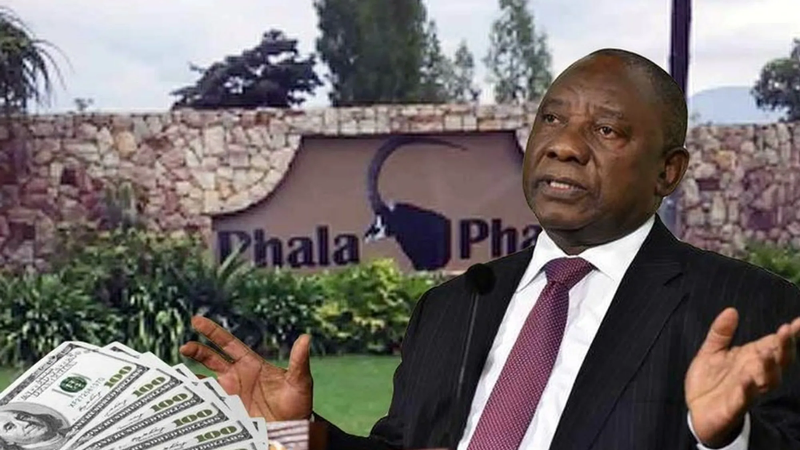
By Lijeng Moruthane: Law enforcement agencies have allegedly been mobilised to shield President Cyril Ramaphosa from facing accountability in the ongoing Phala Phala scandal, raising concerns about the integrity of South Africa’s justice system.
Independent political analyst Professor Sipho Seepe claims there is a concerted effort to protect the president from scrutiny, despite findings that he has a case to answer regarding the theft of foreign currency from his Limpopo farm in 2020.
“There is no doubt that the entire law enforcement framework has been mobilised to protect President Ramaphosa from facing the consequences of the Phala Phala misdeeds. The Independent Parliamentary Panel’s findings were unequivocal, confirming that he has a case to answer,” Seepe stated.
The controversy deepened when Police Minister Senzo Mchunu recently announced in Parliament that the Independent Police Investigative Directorate (IPID) report on the matter would not be made public. This decision has fueled suspicions of a cover-up, particularly regarding the role of VIP protection officers who allegedly crossed into Namibia in a covert operation to recover the stolen money.
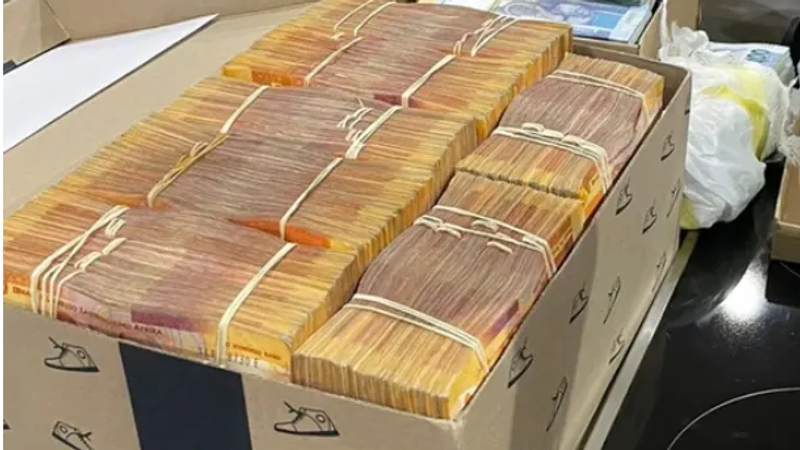
Justice Owen Rogers, during a recent Constitutional Court hearing, also questioned key elements of the case, including why $580,000 in cash was kept outside the banking system.
“The first thing anybody who receives 8.7 million rand wants to do is to make sure it goes into their money market account. You don’t leave that much money either in a safe or under a sofa,” Rogers remarked.
The Economic Freedom Fighters (EFF) and the African Transformation Movement (ATM) have taken the matter to the Constitutional Court, challenging Parliament’s 2022 decision to dismiss the Section 89 independent panel report, which found prima facie evidence that Ramaphosa may have violated the Constitution.
EFF leaders argue that Parliament’s rejection of the impeachment inquiry was irrational and unlawful, accusing the ANC-led government of protecting the president at all costs.
Seepe further criticised Mchunu’s stance, suggesting that his approach reflects broader political maneuvering within the ruling party.
“His position reflects the general dishonesty and hypocrisy surrounding Ramaphosa. The very courts that advocate for transparency as a cornerstone of democracy seem to apply this principle selectively when it comes to the president,” he said.
Political analyst Dr. Mpumelelo Breakfast noted that the Phala Phala scandal remains an unresolved issue within both state institutions and ANC structures, particularly in KwaZulu-Natal and Gauteng.
He believes the matter will resurface as a key topic in the party’s internal power struggles but suggested that an honest conversation about the implications of the scandal will likely only take place after Ramaphosa’s presidency ends.
With law enforcement and political institutions under scrutiny, critics argue that the Phala Phala affair is another example of selective accountability—one that could set a troubling precedent for governance and transparency in South Africa.