Subtotal R0,00

KwaZulu-Natal / 28 August 2025, 11:34am/ Thandi Ndlovu
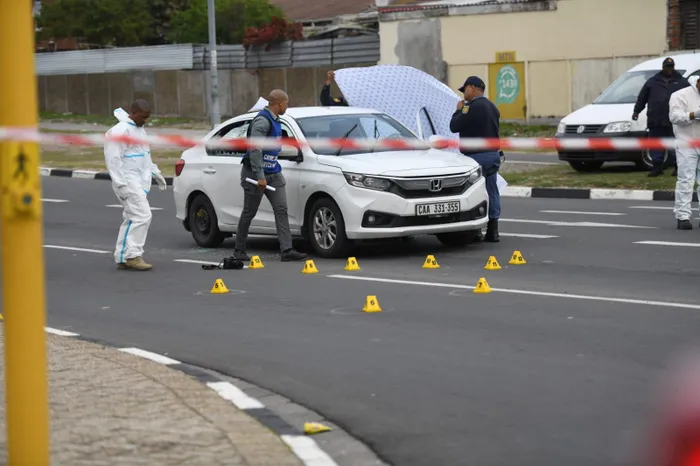
Two e-hailing drivers have been shot in Durban, KwaZulu-Natal: Image Supplied
By Thando Ndlovu: A grim moment in the province’s bustling e-hailing scene unfolded when two drivers were shot and wounded, jolting a community already navigating the delicate balance between ride-hailing services and traditional taxi operators.
The incident was confirmed on Wednesday by KwaZulu-Natal Transport MEC Siboniso Duma, who pledged swift, coordinated action to restore peace and stability. Speaking from a place of measured resolve, Duma outlined a broad, law-and-order response that would pair police muscle with regulatory vigilance.
“We have been in touch with the leadership of the KZN e-Hailing Council. The leadership has offered to work with me and other key stakeholders to ensure that we do not see more bloodshed and the escalation of conflict,” Duma said, signaling a willingness to translate concern into concrete, preventive moves.
In a bid to lock arms across agencies, Duma revealed that he has tasked Operation Shanela, the Provincial Regulatory Entity initiative, to collaborate closely with other law enforcement officials. The aim: to prevent a recurrence of the violence that rattled communities following incidents at Maponya Mall in Soweto.
“The Dabeka shooting will unfortunately reopen healing wounds of relatives of the late e-hailing driver Mthokozisi Mvelase,” Duma acknowledged, underscoring the human toll behind the headlines and the need for cautioned, compassionate leadership as investigations unfold.
Beyond immediate security concerns, the MEC emphasized a broader, long-term goal: co-existence between e-hailing drivers and taxi operators. He framed the drivers as “the backbone of the public transport system,” whose access to socio-economic opportunities must be safeguarded even as the sector evolves.
Recognizing persistent confusion around regulatory frameworks, Duma pointed to a proactive response: “Critically, we understand that there is confusion about routes and permits for e-hailing drivers – Uber and Bolt etc.” He explained that earlier this year he directed the department’s Public Regulation and Enforcement (PRE) unit to conduct regular meetings with the KZN e-hailing council and with representatives from Uber and Bolt. These discussions, he said, would continue until the amended National Land Transport Act (NLTA) regulations for e-hailing services are officially introduced.
“The meeting between myself, KZN e-hailing council, and PRE will ensure that we reflect on the state of readiness for the implementation of the e-hailing industry encompassing Uber and Bolt drivers. We want to do what is in the interest of e-hailing operators, the taxi industry, and the public at large,” Duma stated, laying out a roadmap that places safety, clarity, and stakeholder collaboration at the forefront.
As investigators piece together the sequence of events that led to the shooting, questions remain about how to reconcile rapid sector growth with robust safeguards. The path forward, according to Duma, rests on transparent dialogue, coordinated enforcement, and a regulatory framework that supports drivers while protecting the commuting public.