Subtotal R0,00

KwaZulu-Natal/ 14 March 2025, 13:30pm/ Lijeng Moruthane
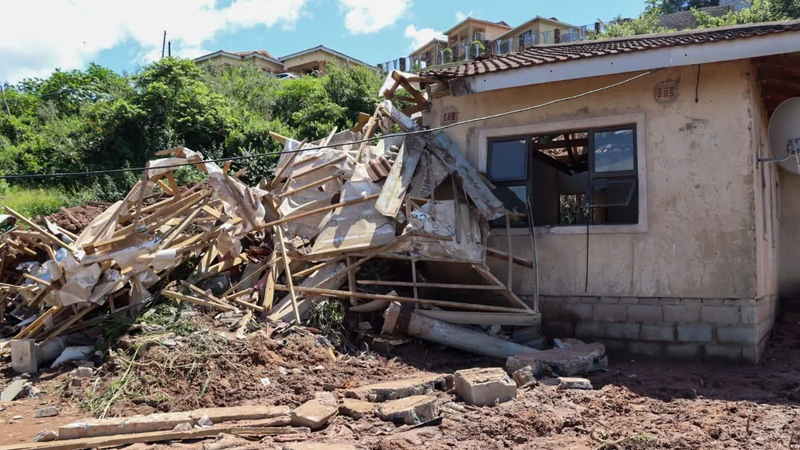
King Misuzulu Ka Zwelithini calls for an urgent climate change summit in response to the ongoing flood crisis and damaged property in KwaZulu-Natal
By Lijeng Moruthane: As KwaZulu-Natal (KZN) struggles to recover from the devastating effects of repeated floods, Zulu monarch, King Misuzulu Ka Zwelithini, has called for an urgent climate change summit in the province.
The summit aims to address the pressing issues surrounding the region’s vulnerability to flooding, with a focus on the need to reassess land settlement and development practices that continue to expose communities to the dangers of natural disasters.
The call comes after recent tragedies, including the tragic death of a person swept away by floodwaters in Pinetown on Thursday evening. This follows a devastating incident two weeks ago in Lamontville, where six people were killed when they were carried away by the surging Umlazi River after heavy rainfall.
King Misuzulu’s plea highlights the urgent need for a more comprehensive approach to managing the impacts of climate change, with particular emphasis on areas vulnerable to flooding, such as informal settlements built near rivers. Experts have long warned that these settlements, often built on flood-prone land, put residents at high risk of death and destruction.
“We must re-examine our land development policies and settlement practices,” King Misuzulu said, underlining the importance of finding sustainable solutions to address the growing climate crisis in the region.
In response to the crisis, the provincial government has declared a state of disaster, aiming to repair infrastructure and develop more effective disaster management strategies. However, experts argue that the situation is being made worse by poor municipal management, which has left communities ill-prepared to cope with natural disasters.
Inanda Bezuidenhout, franchise principal for short-term insurance at Consult by Momentum, pointed out that inadequate flood management and misallocated funds at the municipal level are intensifying the impact of these disasters. He stressed that taxpayers are often left to shoulder the financial burden through both taxes and rising insurance premiums.
“KZN’s municipalities are responsible for flood management, road maintenance, drainage systems, and emergency response. However, mismanagement, misallocated funds, and a lack of accountability have left communities exposed,” Bezuidenhout explained.
Bezuidenhout criticized the current system, stating that South Africans are paying twice for municipal mismanagement: once through taxes for disaster risk reduction and again through higher insurance premiums. “This system is neither fair nor sustainable,” he added.
The failure of municipal authorities to effectively manage disaster risks has resulted in a “double payment dilemma,” with ordinary citizens bearing the financial consequences of both poor governance and increased insurance costs.
“The people of KZN are not only suffering from natural disasters but also from governance failures that exacerbate their effects,” Bezuidenhout said. He called for reforms to hold municipalities accountable, improve infrastructure resilience, and collaborate with private insurers on sustainable solutions.
Proposals for reform include:
- Holding municipalities accountable for risk mitigation failures.
- Investing in more resilient infrastructure and early-warning systems.
- Exploring public-private partnerships between municipalities and insurers to create sustainable disaster risk management solutions.
- Reviewing risk transfer mechanisms to prevent local governments from offloading financial responsibility onto insurers and, ultimately, citizens.