
Subtotal R0,00

International/03 July 2026, 08:38am/Dakalo Mulaudzi
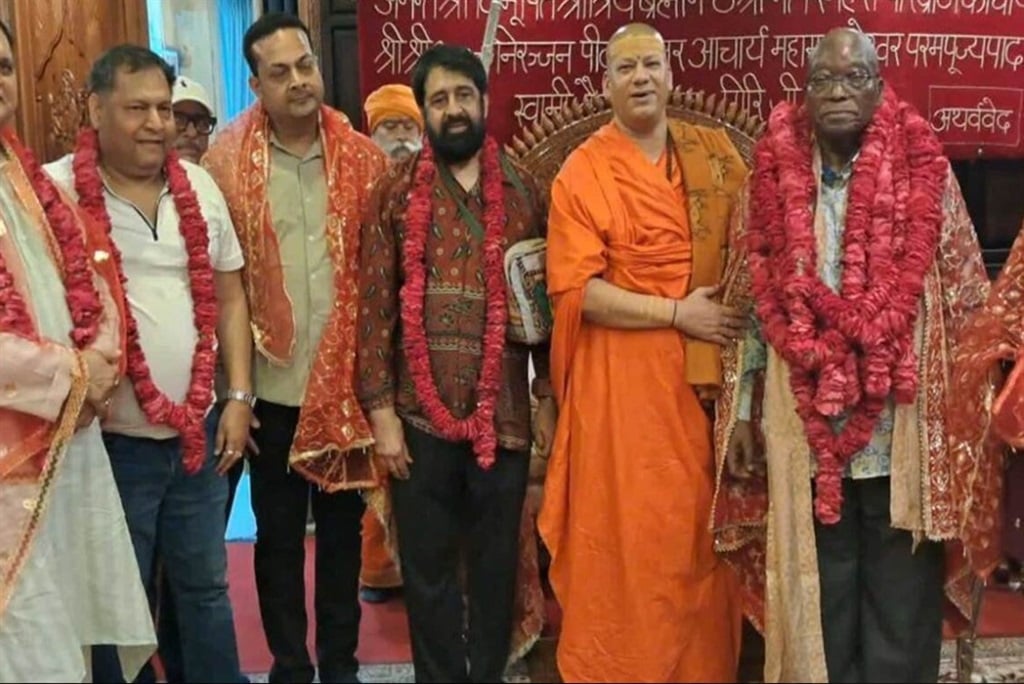
By Dakalo Mulaudzi: A fresh diplomatic controversy has erupted after former president Jacob Zuma was seen in India alongside wanted fugitive Ajay Gupta, triggering renewed questions not only about Zuma’s conduct abroad but also about the South African state machinery still obliged to support him.
The images of Zuma visiting a temple with Gupta have sharply altered the political angle of the story: what may have begun as a controversial private encounter now appears to expose a much bigger issue — the extraordinary privileges former heads of state continue to enjoy, even when their actions embarrass the current government.
At the centre of the fallout is South Africa’s High Commissioner to India, Anil Sooklal, whose presence and possible involvement in Zuma’s visit have come under scrutiny. But some experts argue the bigger scandal may not be the diplomat’s conduct at all — it may be the absence of clear rules preventing former presidents from acting in ways that blur the line between personal travel and unofficial state representation.
International Relations Minister Ronald Lamola did not hide his discomfort, warning that the incident reflects badly on the country and creates the impression of a rogue diplomatic track.
“It does impact us negatively that a former head of state will be running a parallel foreign policy to the South African government, he can’t be representing the SA government anywhere.”
That statement has sharpened concerns that Zuma, despite no longer holding office, can still appear on the international stage with the kind of access, symbolism and logistical support usually associated with official South African authority.
Yet International Relations expert Dr Kingsley Makhubela suggested the controversy surrounding Sooklal may ultimately lead nowhere. According to him, the High Commissioner may simply have been doing what protocol effectively requires when a former president travels abroad under official status.
Because Zuma continues to use an official diplomatic passport and retains the privileges attached to being a former head of state, Sooklal may have had little room to refuse support or distance himself from the visit, including attendance at the temple event.
Makhubela said disciplinary action against Sooklal would depend on clear proof that the envoy actively encouraged Zuma’s trip.
“Because of this inherent privilege that is given to him as a former president, there is always an expectation that the diplomatic missions of wherever former presidents go, there’s a certain level of status that they provide to the former president.”
That assessment shifts the pressure from the diplomat to the system itself. If Sooklal was following long-standing protocol, then the real problem may be that South Africa has created a framework in which former presidents retain state backing without meaningful restrictions on how that support is used.
Makhubela said while public outrage has focused on the optics of Zuma’s meeting with Gupta — especially as taxpayers continue to fund aspects of his travel and security — the government may have very limited powers to intervene.
“The only time the president loses their perks is when they are impeached and dismissed. And so, I mean, he travels around the country, travels in the state car. They get petrol from the states. The police that are securing him, they are paid if they do it over time. It doesn’t matter what he does. They are paid for that. Even if he’s doing overtime against the state, they’ll still pay for it for them,” he said.
In one of the most striking critiques of the affair, Makhubela said Zuma is exploiting a system riddled with loopholes.
He said Zuma is using the rules, or the lack thereof, to abuse the state.







