
Subtotal R0,00

News/16 July 2026, 12:34pm/GoodWill Mathebula
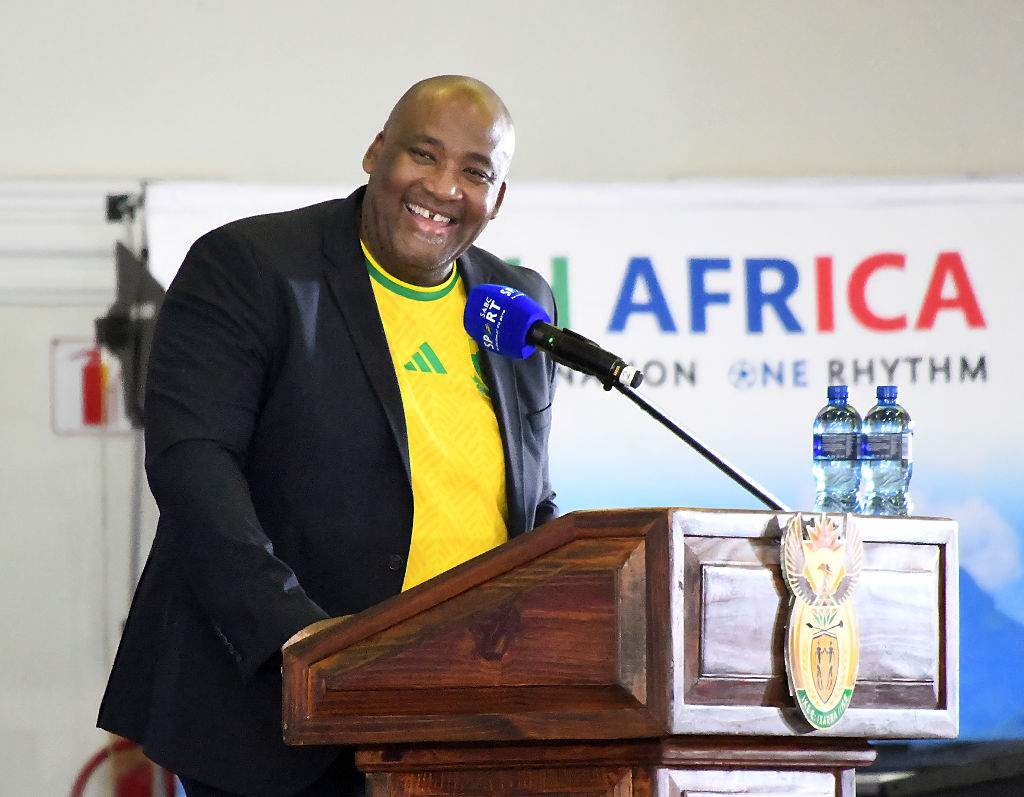
Gayton McKenzie: Image Supplied
By GoodWill Mathebula: As pressure builds from opposition parties and public scrutiny intensifies, the Department of Sport, Arts and Culture (DSAC) has moved to defend and explain the R30 945 370.15 spent on South Africa’s programme linked to the 2026 FIFA World Cup — framing the outlay as part of a broader national promotional effort rather than a simple government travel exercise.
In a detailed breakdown released amid growing demands for accountability, the department said the money was used across several areas tied to the country’s World Cup-related activities. These included official travel, the Legends Exhibition Match, hospitality suites, spectator tickets and tournament-related programme activations.
At the centre of the debate is the travel bill alone, which DSAC said came to an estimated R7 865 134.97. That amount covered Minister Gayton McKenzie, two support staff members, the Director-General and a 14-member project team. The department said the cost included international flights, accommodation, local transport, subsistence and operational support costs.
However, one of the most politically sensitive questions — exactly how much was spent on the minister himself — remains unanswered for now.
DSAC said it had not yet isolated McKenzie’s personal costs from the wider delegation because critical elements such as security, protocol and logistics were procured as a bundled package. That explanation is unlikely to quiet critics, especially as opposition parties sharpen their calls for a line-by-line account.
Still, the department insisted it was working carefully to ensure accuracy.
“The department is taking care not to guess figures where invoices are still being reconciled,” it said.
According to DSAC, a full person-by-person reconciliation is now being finalised. That report is expected to include each traveller’s name, title, role, city visited, programme participation, duration of stay, flight, accommodation, transport, subsistence and travel (S&T), visa, insurance, accreditation, match tickets, hospitality costs and funding source where applicable.
The department also said the final accounting would clearly separate those who travelled on the State’s purse from those whose participation was funded by sponsors or implementation partners.
That distinction appears central to DSAC’s defence. The department argued that the World Cup programme was not limited to government officials, but included artists, cultural participants, football legends, media partners, sponsored fans and implementation support teams. In other words, it says the initiative was designed as a multi-layered national representation project, not merely an official delegation.
DSAC described the campaign as a scaled-down FIFA World Cup support programme focused on Aldea Global, Atlanta, Monterrey, fan engagement, cultural promotion and 2010 FIFA World Cup legacy activities involving former football legends.
Even so, the opposition remains unconvinced.
The Democratic Alliance has signalled that it will escalate the matter through Parliament by submitting further questions and pushing for McKenzie to appear before Parliament’s Portfolio Committee on Sport, Arts and Culture.
ActionSA has also turned up the heat, questioning whether the spending delivered real value for money.
The party argued that ministers must be fully transparent about taxpayer-funded travel, accommodation, hospitality and related benefits. It also raised concern that McKenzie’s personal expenditure had still not been separated from the delegation’s broader bill.







