
Subtotal R0,00

News/ 05 March 2026, 12:37pm/Linda Mgomezulu
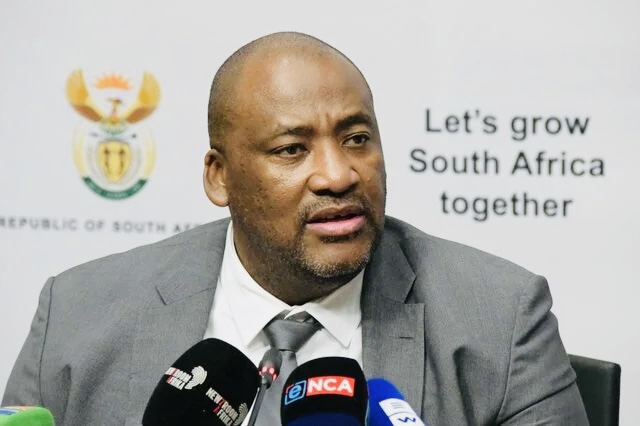
Gayton McKenzie:Image Supplied
By Linda Mgomezulu: A heated debate over the future of South Africa’s cultural festivals has erupted after Minister of Sports, Arts and Culture Gayton McKenzie defended his department’s controversial decision to withhold funding from some of the country’s most iconic events, arguing that long-established festivals must learn to stand on their own feet.
The move has sent shockwaves through the arts sector, with festival organisers warning of job losses and major economic setbacks for host cities. Among the events affected are the Cape Town International Jazz Festival (CTIJF), Makhanda’s National Arts Festival, Oudtshoorn’s Klein Karoo Nasionale Kunstefees (KKNK), Aardklop in Potchefstroom, the Cape Town Carnival, Innibos in Mpumalanga, and Vryfees in the Free State.
Despite the backlash, McKenzie has doubled down on the decision, saying the era of automatic government support for long-running festivals must come to an end.
“The problem that we are having in this country is the culture of ‘we are going to get money no matter what we do’,” he said.
McKenzie insisted that organisers should work toward financial independence rather than relying on state funding year after year.
“You have to become self-sustainable. We also said to them ‘come sit down with us’. Don’t run to the media and say ‘ah they are not funding us’. It is not your birthright,” he said.
Instead, the minister argued that the government’s funding priorities are shifting toward smaller and emerging cultural initiatives, particularly in rural and township communities.
“We can fund people in Soweto. We can fund rural areas. No one has the birthright to be funded by government and say ‘I have to be funded for 30 years whether you like it or not’. But we want to talk to them and we want to sort this out with them,” he said.
McKenzie also rejected accusations that the department is undermining established cultural institutions, framing the move as a strategy to open the industry to new entrants.
“What about the new promoters? We are opening up the industry. Luckily for me I don’t care what they write about me. That’s why they cannot shame me into writing about me. I thrive from bad news,” he said.
The decision, however, has drawn fierce criticism from opposition politicians and festival organisers who argue that the government is ignoring the enormous economic and cultural value these events generate.
DA MP Leah Knott recently accused the department of mismanaging the funding process and failing to uphold its constitutional responsibilities. Speaking during a mini plenary session in Parliament, Knott said festivals that had initially been promised support were later told to apply for funding through the Mzansi Golden Economy grant programme, only to have those applications rejected.
Festival organisers say the funding cuts could have far-reaching consequences. According to figures presented to Parliament, the Cape Town International Jazz Festival alone injects roughly R900 million into the Western Cape economy and supports more than 5,000 jobs.
Other festivals play similarly vital roles in regional economies. The Klein Karoo Nasionale Kunstefees, for example, generates about R72 million in direct economic impact for Oudtshoorn and as much as R178 million across the Western Cape, while drawing more than 86,000 visitors each year and celebrating Afrikaans language and culture.
Events such as Stellenbosch Woordfees and the Suidoosterfees also attract large audiences while sustaining thousands of jobs and providing platforms for emerging artists and young learners.
Cape Town International Jazz Festival owner Dr Iqbal Survé has indicated he will formally request a review of the decision, arguing that the policy shift makes little sense given the scale of the festivals’ contributions.
“We were told last year already that the minister was not going to fund any of the previous festivals that were supported by DAC. Instead the minister said he was going to change the funding to what he called smaller entities throughout the country on the basis of … empowering new entrants into the industry. It really doesn’t make any sense what the minister has done,” he said.







