Subtotal R0,00

Gauteng/ 30 September 2025, 07:05am /Mpho Mokoena
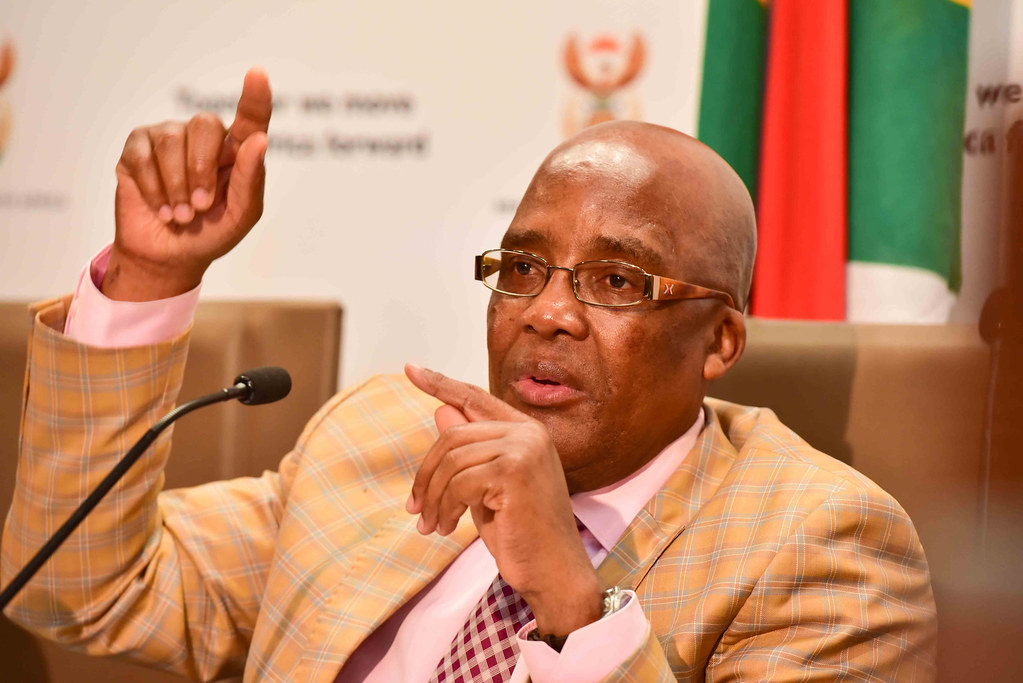
 Health Minister Dr. Aaron Motsoaledi: Image Supplied
By Mpho Mokoena: Health officials and anti-corruption watchdogs gathered to reveal a sweeping, unsettling portrait of graft at Tembisa Provincial Tertiary Hospital. The Special Investigating Unit (SIU) delivered an interim report that lays bare a “devastating plunder of public funds,” with evidence pointing to three coordinated syndicates siphoning off more than R2 billion from healthcare meant for the region’s most vulnerable.
Health Minister Dr. Aaron Motsoaledi stood at the podium, his voice steady but charged with emotion as he linked the magnitude of looting to a broader conversation about accountability and public trust.
He acknowledged the shock that the findings have provoked, and, in a moment that has since sparked intense debate, offered a controversial, outspoken admission that has since reverberated beyond health corridors and into the national conscience.
The briefing, led by SIU head Advocate Andy Mothibi and joined by Premier Panyaza Lesufi and Gauteng MEC for Health Nomantu Nkomo-Ralehoko, laid out a narrative of misallocation and irregularities in public procurement that authorities described in stark terms.
Mothibi described the investigation’s trajectory since its launch in 2022, noting that initial estimates of stolen funds began at R850 million and escalated as more irregularities came to light.
“This staggering sum of money intended for the provision of healthcare at Tembisa Hospital to take care of the most vulnerable was instead ruthlessly siphoned off through a complex web of fraud and corruption, representing an egregious betrayal of the public trust,” Mothibi stated, underscoring the breadth and audacity of the alleged theft.
The report resonated with a chorus of concern from Motsoaledi, who paid tribute to whistleblowers whose courage in the face of danger has historically exposed corruption within the system.
Among them was the late Babita Deokaran, chief director of financial accounting at the Gauteng Department of Health, whose assassination underscored the personal risks that accompany efforts to root out malfeasance.
As the press conference unfolded, Motsoaledi drew a powerful—but controversial—line. He referenced the fate of whistleblowers and spoke of the dangers faced by those who expose wrongdoing, including a government insider known only as “Mr T.” The minister’s reflections shifted rapidly from tribute to a charged call for accountability, painting a stark picture of a country wrestling with how to balance the pursuit of justice against threats to public servants who speak out.
In a moment that has sparked wide discussion, Motsoaledi offered a provocative analogy that has since stirred debate across political and public spheres.
He stated that “the people who killed Babita, and who put Mr T (another whistleblower in government) are driving Lamborghinis, the Lamborghini Urus and the other ones you could not pronounce, advocate (Mothibi). They are living a free life. Now, what type of country are we going to become that the public servants who are the real public servants are the ones that are in hiding, and the sgebenzas (thugs) are the ones driving Lamborghinis.”