Subtotal R0,00

National News/ 02 April 2025, 15:10pm/ Lijeng Moruthane
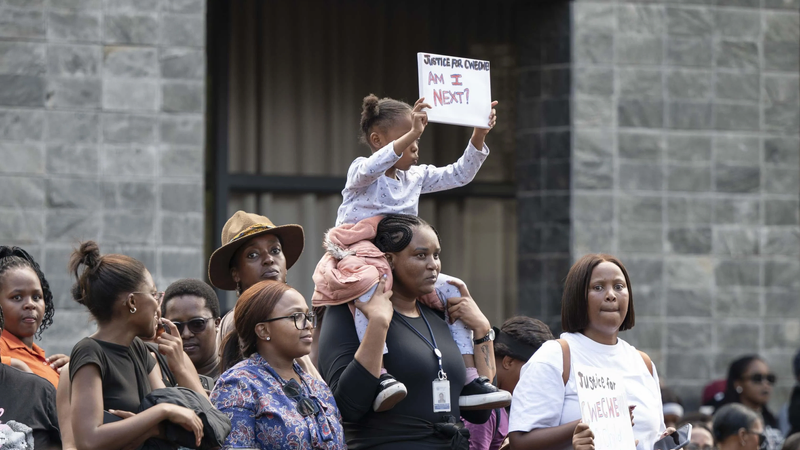
Protests erupt nationwide calling for justice and stronger child protection following the Cwecwe rape case: Image Supplied
By Staff Writer: The South African Human Rights Commission (SAHRC) has reaffirmed the need for prioritizing children’s best interests following the tragic case of a seven-year-old girl who was raped at Bergview College in Matatiele, Eastern Cape, last October. The Commission’s call comes as public outrage over the lack of accountability in the case continues to grow, prompting nationwide protests this week.
The young victim was attacked on school premises while waiting for her transport. Despite the attack being reported to authorities, no arrests were made for nearly six months, deepening concerns about systemic failures in South Africa’s child protection mechanisms.
The Commission has stressed that such incidents highlight the urgent need for reform to ensure that the well-being of children is placed at the forefront of all decision-making processes.
The SAHRC emphasized that the Children’s Act obligates all organs of state, caregivers, and decision-makers to uphold children’s best interests. “This incident serves as a pivotal point for reflection and urgent advocacy around the systemic failures in South Africa’s child protection systems,” the Commission stated.
In light of this, the SAHRC has called for immediate reforms, including:
- Mandatory and consistent use of the National Register for Sex Offenders to screen individuals working with children, ensuring that those in positions of trust are thoroughly vetted.
- Strengthening child protection units and improving interdepartmental coordination to prevent delays in response.
- Enhancing psycho-social support for children and families affected by abuse, providing them with the necessary care and counseling.
- Training educators, healthcare providers, social workers, and community leaders to effectively recognize, report, and respond to instances of abuse.
- Reviewing current legislation and policies to identify gaps in oversight, monitoring, and intervention.
“The prevalence of child abuse, neglect, and exploitation in South Africa demands decisive and coordinated action,” said the Commission.
“While the country has a strong legislative framework designed to protect children, the real challenge lies in the implementation and enforcement of these laws. Cases like the Cwecwe incident expose the weaknesses in our system and the failure to hold perpetrators accountable.”
The Commission also urged the National Prosecuting Authority (NPA) to seek a court order compelling the school principal to provide DNA samples, following his refusal to comply, citing the lack of formal charges. Afriforum, representing the principal, has stated it will not defend any individual accused of rape.
The SAHRC concluded by highlighting that the fight against child abuse requires more than legal action—it demands a collective societal effort. “This is not just a legal issue; it is a societal responsibility,” the Commission said.
“We must shift towards a culture of zero tolerance for any form of abuse, with families, communities, and civil society playing a critical role in safeguarding the rights of children.”