Subtotal R0,00

Western Cape/ 07 March 2025, 14:05pm/ Staff Writer
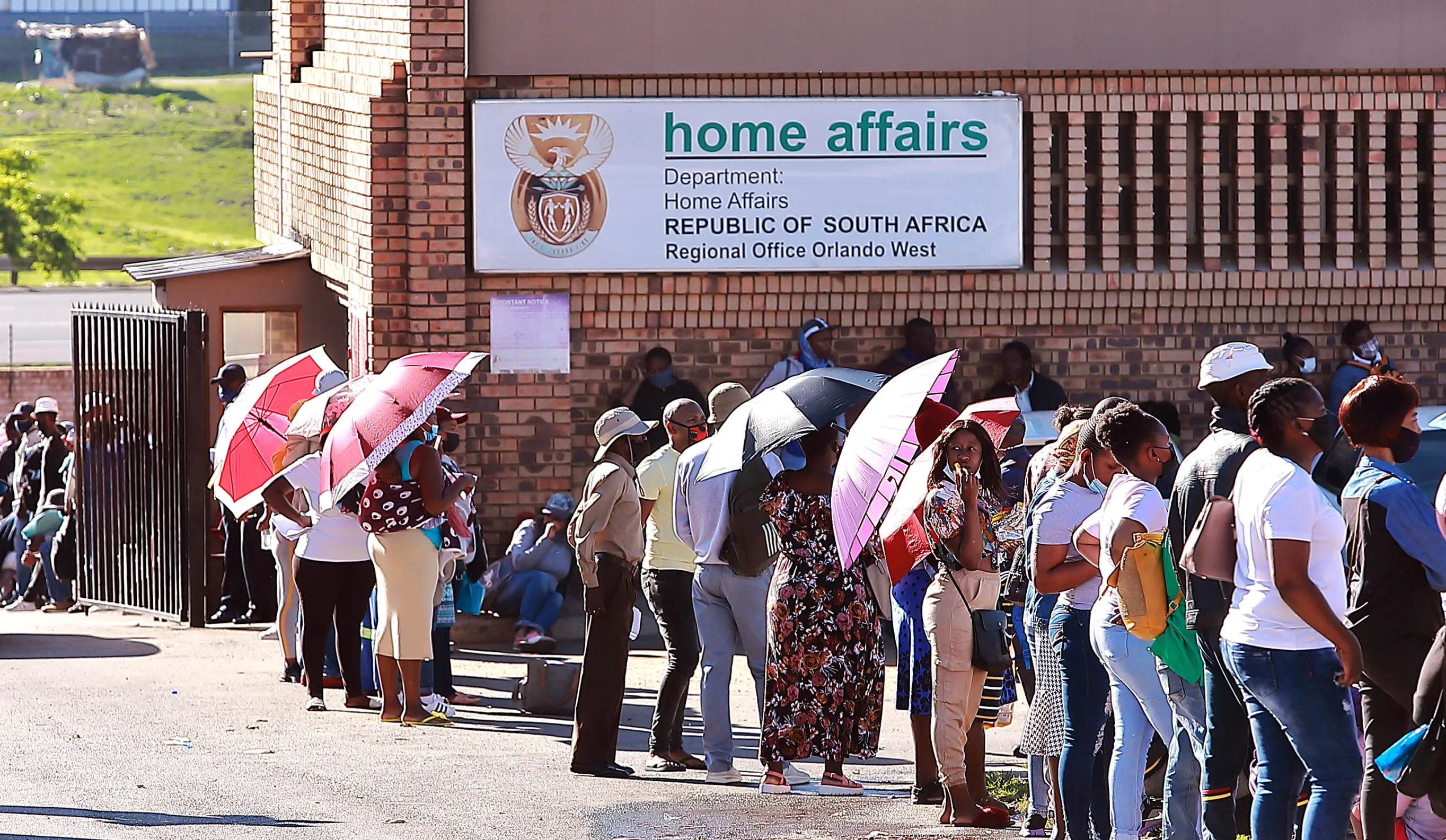
Frustrated applicants queue outside Cape Town Home Affairs amid ‘gatekeeping’ controversy: Image Supplied
By Staff Writer: Applicants seeking South African citizenship in Cape Town have long faced unreasonable and arbitrary demands from Home Affairs officials, leading to a legal showdown over bureaucratic “gatekeeping” tactics. Clerical officers at the Western Cape’s Home Affairs Department have been accused of unlawfully rejecting applications by insisting on unnecessary, excessive, or even impossible documentation.
A case brought by De Saude Sadat Darbandi Immigration Attorneys (DSD Law) on behalf of seven applicants exposed the extent of these alleged unlawful practices. The applicants argued that officials, known as screeners, refused to accept their applications for reasons not grounded in law, making the process unpredictable and inconsistent.
In one instance, a woman seeking to register her birth was turned away simply because she did not have a South African parent. Another applicant—who holds dual South African and Namibian citizenship—was denied a certificate confirming his South African nationality and instead labeled an “illegal foreigner.”
Beyond creating bureaucratic hurdles, the applicants contended that such practices enabled corruption. They argued that department officials could exploit their gatekeeping role to solicit bribes from desperate individuals trying to have their applications processed.
The Department of Home Affairs denied any wrongdoing, arguing that its screeners play a critical role in managing queues and ensuring applicants possess the correct documents before submission. This process, referred to as “walkabouts,” is intended to streamline operations and prevent the Pretoria hub—where final decisions are made—from being overwhelmed with incomplete applications.
The department further claimed that if non-compliant applications were accepted, it would lead to administrative inefficiencies and cause delays for all applicants.
However, High Court Judge Constance Nziweni found that Home Affairs officials had overstepped their authority, ruling that their actions were beyond their legal powers (ultra vires). She criticized the arbitrary nature of the screening process, emphasizing that it compromised procedural fairness and resulted in exclusionary practices.
As part of her ruling, Nziweni ordered that the affected applicants’ submissions be accepted at the Cape Town office and transferred to the appropriate adjudicators. She also proposed a set of guidelines to ensure a more transparent and lawful application process.
Attorney Stefanie de Saude Darbandi welcomed the judgment, calling it a significant step toward ensuring fairness in South Africa’s birth registration, identification, immigration, and citizenship processes.
“The practice of turning away applicants without accepting their applications not only infringes upon their rights but also prevents them from accessing administrative justice,” she said.
This ruling highlights the growing concerns around administrative hurdles at Home Affairs offices and sets a precedent for holding public officials accountable when they unlawfully obstruct the citizenship application process.