
Subtotal R0,00

National News/ 30 September 2024, 15:05pm/ Lijeng Moruthane
Department of Home Affairs Minister Leon Schreiber unveils a vision to automate ID, passport, and visa services online by 2029: Image Supplied
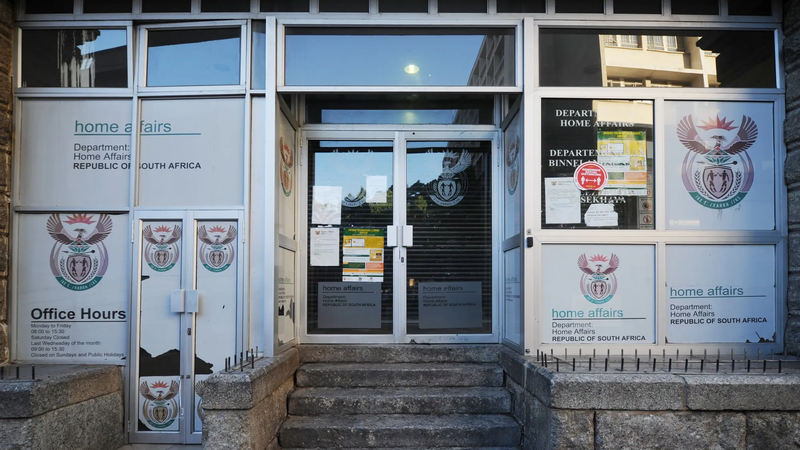
By Lijeng Moruthane: In an effort to modernize government services, Leon Schreiber, the Minister of Home Affairs, has unveiled an ambitious five-year plan to digitize the Department of Home Affairs fully.
The initiative, termed Home Affairs @ Home, is designed to transition the department to a digital-first approach, enabling both South Africans and international visitors to access services online.
Schreiber explained that this new strategy will eliminate the need for in-person visits to Home Affairs offices for routine tasks such as applying for IDs, passports, and various certificates.
Instead, clients will utilize a secure online platform that incorporates biometric technology, with documents either delivered to their homes or provided in a digital format.
“Over the next five years, all of the department’s services must become fully automated, digitised, and offered online. Rather than going to Home Affairs, our vision under the Government of National Unity (GNU) is to bring Home Affairs to you,” Schreiber stated.
He highlighted that this modern approach would transform how South Africans interact with the department. Routine tasks like applying for or renewing IDs and passports will be handled via the digital platform, with completed documents sent to clients’ homes or accessible online.
Schreiber noted, “As is already done in the case of bank cards and vehicle licences, these vital documents will also be made available in digital format on the client’s secure online profile – and in the wallet app on their phone.”
Significant changes are also planned for immigration services. The department will introduce Electronic Travel Authorisations (ETA) for international visitors, enabling them to apply for entry into South Africa through the secure online platform. Human intervention will only be necessary if the system detects anomalies.
“Using this model, travellers will register a profile, provide biometrics, and receive a unique digital code linked to their passport information. This will eliminate paper-based visas entirely,” Schreiber added.
The digitization effort aims to tackle long-standing challenges like identity fraud and visa overstays. The department’s new automated risk engine will identify fraudulent applications and cross-reference visa requests with local and international databases, enhancing control over South Africa’s borders.
“This will make it impossible for travellers who overstay to evade detection, while providing biometric information on all foreigners in the country for instant verification,” Schreiber explained.
Schreiber emphasized that the digital transformation would be cost-effective, reducing the necessity for new physical Home Affairs offices.
Instead, community centers and libraries equipped with internet access will serve as virtual Home Affairs offices, extending the department’s reach without requiring additional infrastructure investment.
“After years of budget cuts, Home Affairs now only has 40% of the staff required to provide adequate services under the current model. This new approach will not only cut costs but will also enable us to provide services more efficiently, creating convenience for millions of South Africans,” he said.
Additionally, Schreiber pointed out the economic advantages of the transformation, noting that it aligns with the GNU’s focus on economic growth and job creation.
By simplifying the immigration process and making it more accessible for tourists and skilled professionals, the government aims to attract increased investment and enhance tourism.
“Antiquated, inefficient, and paper-based red tape must go. Digital transformation is essential for Home Affairs to play our role in supporting the economy and creating jobs,” Schreiber concluded.
The Home Affairs @ Home initiative is slated for implementation during the 2024-2029 term, heralding a new era in service delivery that aims to provide dignity and convenience to the department’s 62 million clients, as well as to international visitors.







