Subtotal R0,00

Free State/ 11 November 2024, 15:00pm/ Lijeng Moruthane
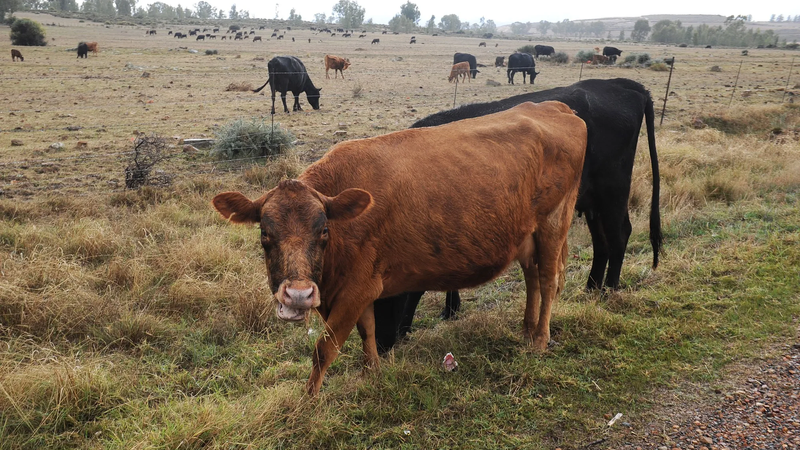
Farmers face mounting challenges as a severe heatwave threatens crops and livestock, jeopardizing South Africa’s food security: Image Supplied
By Lijeng Moruthane: A severe heatwave is currently gripping South Africa, intensifying challenges for the nation’s agricultural sector and sparking concerns over crop and livestock health.
Farmers are increasingly anxious about the high temperatures and lack of rainfall, which could lead to substantial yield losses if relief doesn’t arrive soon.
According to Absa AgriBusiness, these hot and dry conditions threaten the upcoming 2024/25 growing season.
Dr. Marlene Louw, a senior economist at Absa AgriBusiness, emphasized the urgency for rain, noting, “sufficient rainfall within the next few days is crucial, especially in the Eastern parts of the country, which have an earlier summer grain and oilseed planting window.”
The delay in rainfall could have far-reaching effects, leaving fields dry and unproductive.
The Department of Agriculture, Land Reform and Rural Development (DALRRD) has issued a climate advisory outlining the challenges facing farmers and noting “reasonable to poor” conditions for veld and livestock across many regions.
With dryland areas still waiting for rainfall, fires have ravaged grazing lands and damaged infrastructure, leading to livestock losses.
The Seasonal Climate Watch from the South African Weather Service projects mixed conditions ahead.
While the northeastern regions may see above-average rainfall, interior areas could experience below-normal rainfall later in the season, a variability largely influenced by El Niño–Southern Oscillation patterns.
DALRRD has advised farmers to make careful planting decisions, prioritizing drought-tolerant cultivars in chronically dry areas and considering short-season varieties.
As the heat persists, DALRRD also recommends adopting pest control measures due to the expected hot and wet conditions and urges farmers to conserve water by following irrigation restrictions.
“Farmers must continually conserve resources in accordance with the Conservation of Agricultural Resources Act,” the department advised, suggesting strategic adjustments to withstand the extreme conditions.
Livestock management has come under heightened scrutiny as well, with DALRRD advising farmers to align herd sizes with grazing land capacity and ensure adequate water and shelter for animals, especially with the threat of veld fires until rain relieves the dry conditions.
While conditions remain precarious, Wandile Sihlobo, chief economist at the Agricultural Business Chamber of South Africa, remains cautiously optimistic.
Recent rains in some areas have improved soil moisture, enabling some farmers to start planting. Sihlobo remarked that “optimistic forecasts for good rains within the next two weeks” could still provide essential support to the agricultural sector.
As the season unfolds, DALRRD is closely monitoring conditions and coordinating with stakeholders to issue timely early-warning alerts, aiming to guide farmers as they navigate these difficult circumstances.