Subtotal R0,00

National News/ 14 October 2024, 08:30am/ Anele Ndlovu
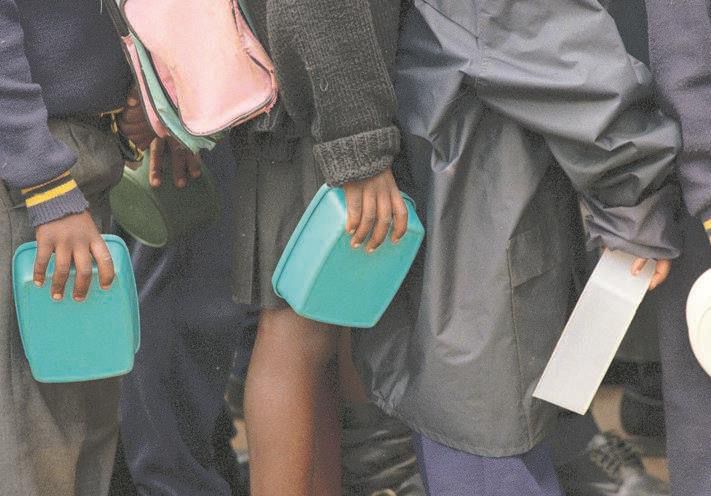
Over 9 million pupils rely on the National School Nutrition Programme (NSNP), which spans 21,000 schools nationwide: Image Supplied
By Anele Ndlovu: In a poignant revelation at the recent School Food Environment Assembly held in Johannesburg, Healthy Living Alliance (HEALA) CEO Nzama Mbalati sounded the alarm on the devastating impact of budget cuts threatening school meals for millions of children across South Africa.
The assembly, which took place on October 9 and 10, brought together a diverse group of experts from advocacy, civil society, academia, health, agriculture, and government, coinciding with the annual observance of National Health and Nutrition Week.
Addressing an audience concerned about the future of school nutrition, Mbalati articulated the dire consequences of recent funding cuts announced by Gauteng Education MEC Matome Chiloane.
Chiloane’s directive to trim budgets for school transport and feeding schemes—aimed at saving approximately 3,400 teaching jobs—has raised urgent concerns about the nutritional well-being of over 9 million pupils who rely on the National School Nutrition Programme (NSNP), which spans 21,000 schools nationwide.
“The NSNP has the potential to transform food environments and provide healthier meals for our children, but budget cuts and the poor working conditions faced by food handlers present significant challenges,” Mbalati cautioned.
Her comments underscore a growing crisis in child nutrition, as highlighted by the latest National Food and Nutrition Security survey, revealing alarming statistics. At least 13% of children under five are categorized as obese—double the global average—while 27% suffer from stunted growth and 6% are underweight.
“This situation places our children at risk of debilitating health issues, such as diabetes and heart disease, both now and later in life,” Mbalati stressed. The assembly illuminated these critical issues, drawing attention to systemic failures and calling for immediate intervention.
Professor Scott Drimmie from Stellenbosch University’s Division of Human Nutrition also contributed valuable insights, emphasizing the role of NSNP in mitigating the effects of poverty.
“We must rethink our procurement strategies and integrate a focus on agroecology to ensure sustainable food sources for our schools,” Drimmie advised, highlighting systematic changes necessary to safeguard children’s health.
The discussions conducted at the assembly serve as a wake-up call for policymakers, educators, and communities alike. With children’s health at stake, immediate action must be taken to preserve and strengthen the NSNP, ensuring that every child has access to nutritious meals that are fundamental to their growth and development.
As the nation grapples with budget dilemmas, the call for a strategic re-evaluation of funding priorities becomes increasingly urgent.
The health of South Africa’s children must not be compromised in the face of economic constraints; rather, it should be a priority that commands immediate attention and innovative solutions from all sectors of society.
As Mbalati poignantly put it, “Investing in our children’s nutrition today is investing in a healthier, more prosperous future for our nation.”