Subtotal R0,00

Western Cape/ 20 November 2025, 06:33am/ Dakalo Mulaudzi
By Dakalo Mulaudzi: The Public Works Portfolio Committee (PC) in the National Assembly sharpened its focus on governance and responsibility surrounding the Victoria Street building collapse.
While the George Municipality has faced mounting pressure over safety and oversight, officials and witnesses offered competing narratives about who bears fault and how to prevent a repeat tragedy.
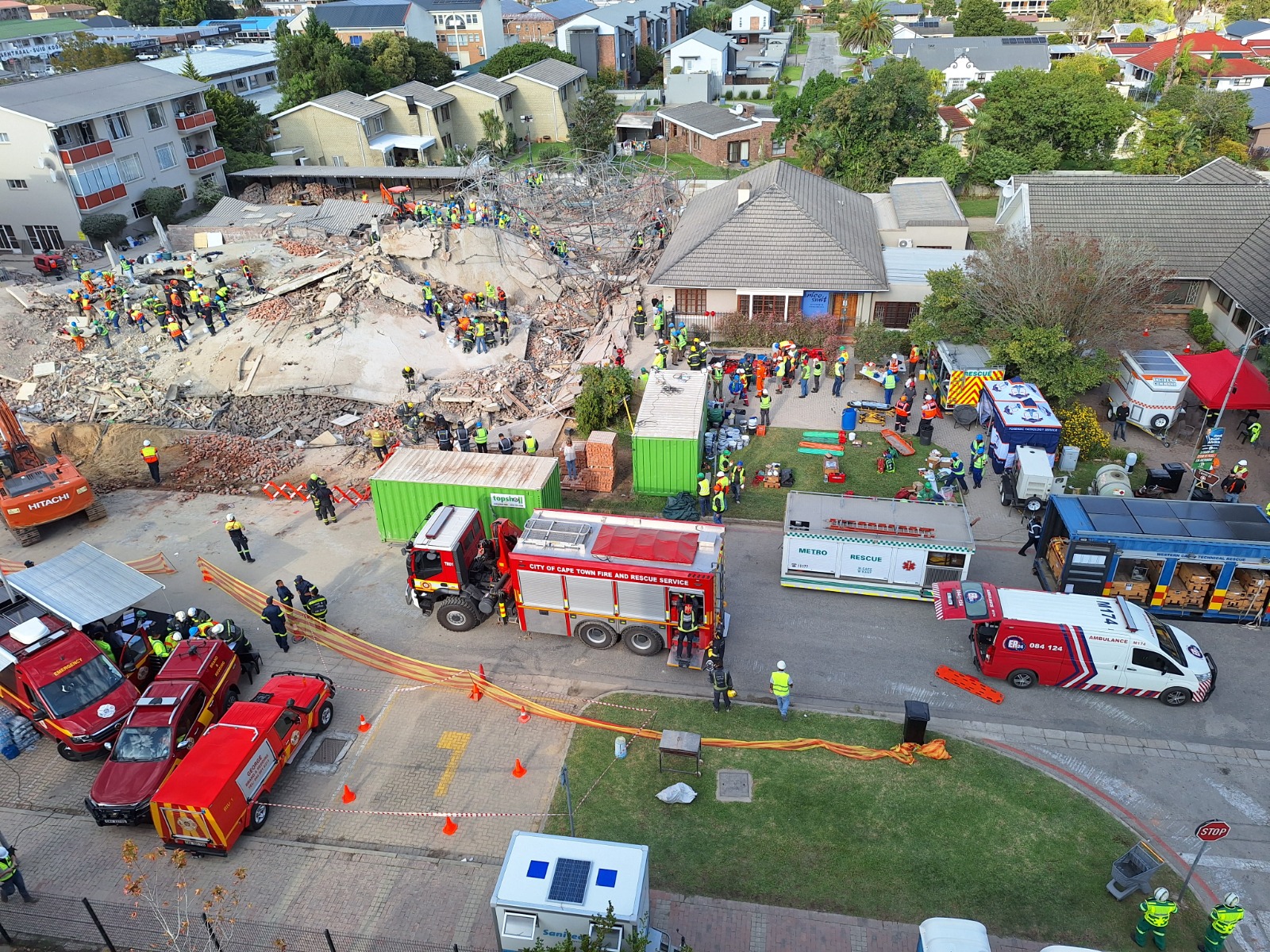
Carol Phiri, chairperson of the Public Works Portfolio Committee, directed a pointed critique at George Municipality during the PC’s oversight visit to the collapse site yesterday.
Standing among the rubble and the close-quartered municipal buildings, Phiri portrayed what she called a troubling lapse in oversight and accountability.
Phiri’s remarks captured the mood of a committee seeking tangible assurances: that the municipal machinery responsible for safety and compliance is not only reactive but proactive in preventing disasters of this kind.
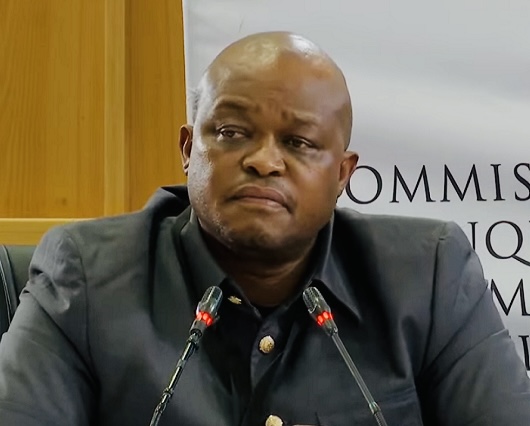
“She demanded an explanation from the acting mayor, Browen Johnson, who was also present,” and pressed for clarity on how responsibilities are distributed across various levels of government and related stakeholders.
The George Municipality in the Western Cape has signaled deep reflection and announced plans to review its legislation and internal processes to avert a repetition of last May’s catastrophe. In a defense of its conduct, the municipality maintains it has fulfilled its legal obligations regarding the construction site.
Yet Parliament’s Portfolio Committee on Public Works and Infrastructure remains unconvinced, contending that negligence and inadequate oversight still lurk in the shadows.
Browen Johnson, George’s acting mayor, cautioned against narrowing the lens to municipality fault alone. He argued that oversight is a multi-spectral process involving several spheres of government and a range of stakeholders.
“Lessons have been learnt, we’ve changed our policies, we’ve worked on by-laws, it’s all in draft state, and it’s going to Council,” Johnson stated, outlining a trajectory of policy reform aimed at addressing the fragile interface between oversight and construction.
He added what he described as a broader, more protective stance: “I hope out of this – and we respect the oversight of this committee – that we can go to Parliament and say this unfortunate event that happened in George – we don’t want to see anything like this again, and here is how we’re going to fix it with the different stakeholders.”
Johnson pressed a note of balance, saying that criticism must reflect the shared weight of accountability across government layers. He claimed that “inspections are not performed on construction sites by municipalities.
It is done through appointments,” and that in this particular case, “the appointments of the engineer carried out responsibility on that site.”
He also cited the NSRBC (National Skills and Residential Building Council) as having an oversight role in residential construction.
The PC’s oversight trip to the Victoria Street site comes on the heels of a broader debate about how strict, timely, and transparent oversight can be achieved in fast-moving construction projects.
The committee’s actions reflect a persistent drive to compel more candid disclosures from the George Municipality, which previously refused to reveal details of the Engineering Council of South Africa’s report on the collapse.
The municipality had received the report earlier this year and handed it to the police as part of a criminal investigation.
During a recent meeting between the Human Settlements PC and the George Municipality, Phiri had urged a subpoena, accusing the municipality of “disregard” for committee oversight.