Subtotal R0,00

Gauteng/ 30 September 2024, 16:48pm/ Staff Writer
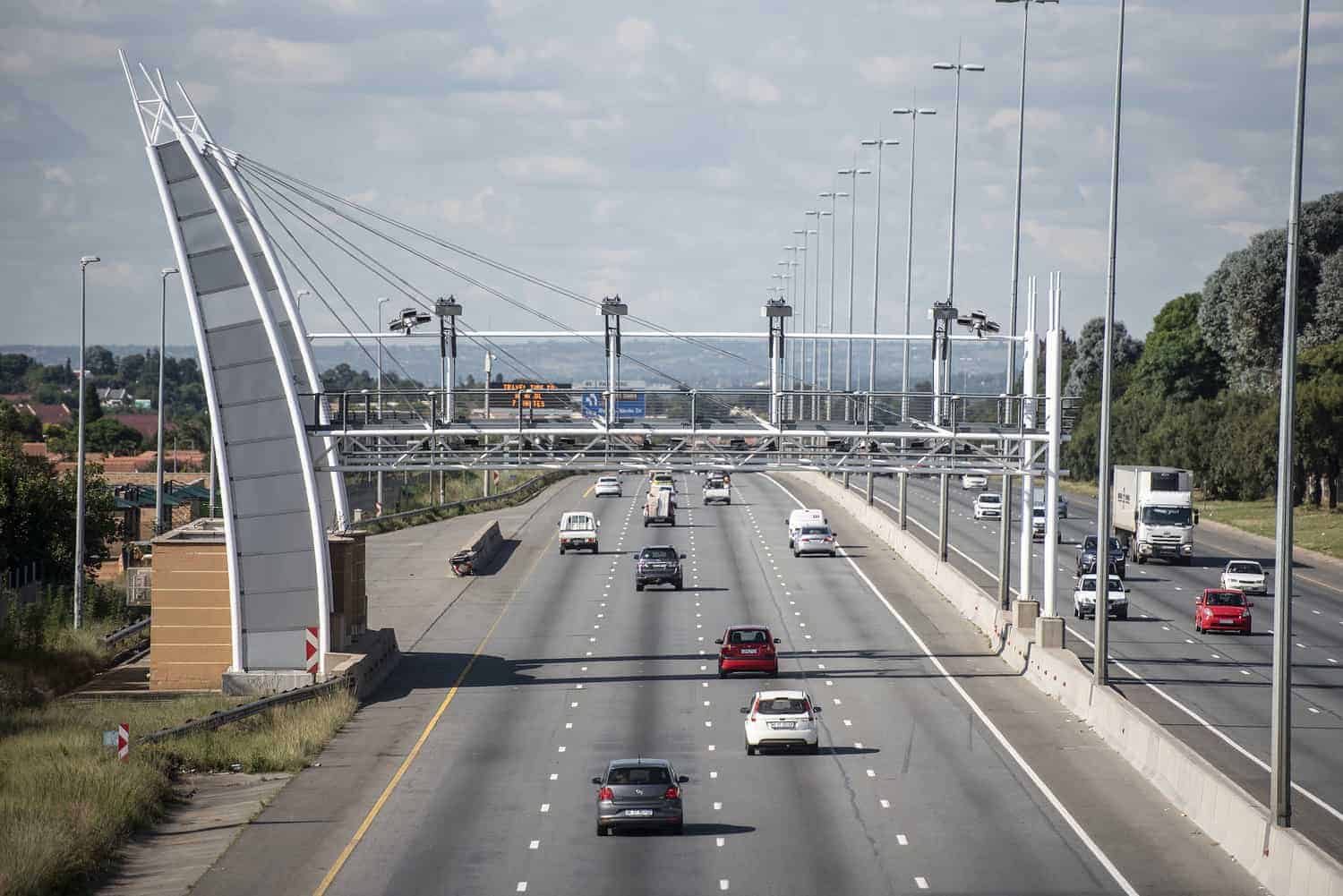
E-tolls were scrapped but the province still owes R12.9 billion for the freeway upgrades: Image Supplied
By Staff Writer: Gauteng’s MEC for Finance and Economic Development, Lebogang Maile, reassured the public that the province will not face bankruptcy.
Speaking during a Monday briefing, Maile explained the debt repayment strategy for the failed e-toll revenue collection project.
The province has already made the first payment of R3.8 billion, as part of a five-year plan to settle the R12.9 billion historical debt. The project’s initial construction funding was sourced by Sanral from the open market in the mid-2000s.
Addressing speculation, Maile urged the public not to entertain “conspiracy theories” about the investors, emphasizing that repaying them was mandatory.
The contract to manage the e-toll accounts and collections was awarded to an entity owned by Austria-based Kapsch TrafficCom.
According to Maile’s team, the total debt from the freeway upgrade project stands at R43 billion, with the national government covering 70% and the provincial government covering 30%.
The R12.9 billion does not account for maintenance and interest, which will push the total repayment closer to R20 billion by the time the debt is fully settled.
Maile confirmed that no new loans would be taken, as the funds for repayment have already been allocated from the provincial revenue fund.
However, there are no plans to reimburse those who paid their e-toll fees. “When people were paying for e-tolls, remember it was legal, it was not illegal,” Maile clarified.
“They were paying because they were utilising the service, so they will not be paid back because that money was not collected illegally by the government.”
Regarding the blue-lit gantries on the freeways, Maile said their management would fall under the provincial and national transport departments, distancing his office from any responsibilities other than financial ones.
“We only deal with the money so we don’t want to speak on their behalf. We have the most difficult task of paying,” he stated.
He also raised concerns about the project’s future, noting that only phase one of the upgrades had been completed.
“Society must tell us, all those campaigning against this must tell us how do we fund the second and the third phases because certainly it wouldn’t be sustainable,” Maile said.
He emphasized the need to uphold the “user-pay” principle, arguing that people should pay for services they use.
Maile expressed concern over the public’s resistance to the system, warning against “civil disobedience” that could result in broader societal issues.
The payments will be funneled to the national treasury, which will then disburse the funds to the original investors, though Maile did not provide details about their identities.
Despite challenges, Maile assured that Gauteng’s finances were being managed responsibly. “The Gauteng province will never be bankrupt,” he reiterated.
The province is also exploring new avenues for revenue generation, with further details expected to be announced soon.