Subtotal R0,00

National News/ 24 April 2025, 09:18am/ Staff Writer
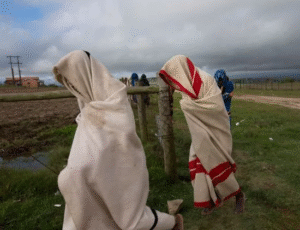
Parliament is demanding urgent reforms to curb illegal initiation schools and prevent further loss of life: Image Supplied
By Staff Writer: The Department of Traditional Affair’s five-year plan to reduce the number of illegal initiation schools from 429 to 229 by 2029 has come under fire from Parliament, with the Portfolio Committee on Cooperative Governance and Traditional Affairs (CoGTA) outright rejecting the proposal.
The plan, presented during a recent briefing on the department’s 2025/26 performance targets and long-term strategic direction, was intended to tackle persistent issues surrounding illegal initiation practices. Alongside the school closures, the department also aimed to reduce the number of initiation-related deaths from 63 to 13 within the same timeframe.
But committee members criticised the targets as far too lenient, warning that they fail to reflect the seriousness of the crisis.
“This is not transformation — it’s damage control,” said Committee Chairperson Dr Zweli Mkhize. “You cannot plan for 13 deaths. That sends the wrong message and suggests that some lives are more expendable than others. The only acceptable target for fatalities and amputations is zero.”
The department’s strategy relied on increased oversight, regulatory reforms, and public education to root out illegal schools, many of which operate under dangerous conditions without medical supervision or compliance with traditional governance structures.
Despite these efforts, committee members expressed frustration with what they viewed as a slow and inadequate response to an ongoing public safety issue. They called for the department to revise its strategy and implement stronger, more immediate interventions.
“This is about more than numbers — it’s about restoring dignity to a cultural practice that has been distorted by criminal elements,” said one member. “Communities are losing faith because year after year, young boys are dying.”
The committee also called for amendments to the Traditional and Khoi-San Leaders Act, which was declared unconstitutional in part, and recommended that the department adopt a more inclusive and accountable approach to the recognition of traditional leaders — particularly among Khoi-San communities.
Mkhize concluded by urging the department to align its approach with South Africa’s constitutional values and human rights commitments.
“If we are serious about protecting our youth and preserving tradition, then our standards must be uncompromising. Anything less is an endorsement of harm,” he said.