Subtotal R0,00


International News/ 13 May 2025, 15:48pm/ Lijeng Moruthane
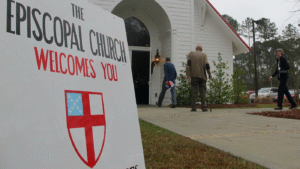
After nearly 40 years and 110,000 refugees served, the Episcopal Church ends its role in the US refugee program over what it calls racially biased resettlement priorities: Image Supplied
By Lijeng Moruthane: In a decisive move rooted in its commitment to racial justice, the Episcopal Church has severed ties with the U.S. government’s refugee resettlement program, objecting to what it describes as racially biased immigration policy under the Trump administration.
The decision comes amid growing controversy over the federal government’s prioritization of white South African refugees, particularly Afrikaner farmers, following land reform legislation in South Africa. The church’s resettlement arm, Episcopal Migration Ministries (EMM), had been informed it would be expected to assist in relocating white Afrikaners—something Reverend Sean Rowe, presiding bishop, said the church could not support in good conscience.
“This step violates the principles of equity and racial reconciliation that we hold dear,” Rowe said in a public statement. “We cannot be complicit in a policy that favors one group over others who face equal or greater danger.”
The policy traces back to a Trump-era directive granting refugee status to white South Africans after President Cyril Ramaphosa signed the Expropriation Act into law, allowing land to be reclaimed without compensation. The Trump administration criticized the move as discriminatory against white landowners and halted more than $400 million in aid to South Africa. Soon after, the U.S. opened refugee status to white South Africans, citing concerns over safety and displacement.
Read More:
U.S. Offers Afrikaners Refugees Housing, Jobs, Healthcare and Path to Citizenship
Earlier this week, newly arrived white South African refugees were welcomed at Dulles International Airport outside Washington, D.C., by top government officials. Children waved American flags as Deputy Secretary of State Christopher Landau and Homeland Security Deputy Secretary Troy Edgar greeted the arrivals.
But to the Episcopal Church, the optics—and ethics—of this move struck a nerve.
“It has been painful to watch one group of refugees, selected in a highly unusual manner, receive preferential treatment over many others who have been waiting in refugee camps or dangerous conditions for years,” Rowe wrote in a letter to church members. “We cannot endorse a refugee policy that undermines the moral foundation of equal dignity and care for all displaced people.”
Rowe underscored the church’s historical ties to the Anglican Church of Southern Africa, and its long-standing commitment to racial reconciliation, dating back to the fight against apartheid. Those roots, he said, make the current U.S. policy particularly painful.
“In light of our church’s steadfast commitment to racial justice and reconciliation… we are not able to take this step,” Rowe said. “Accordingly, we have determined that, by the end of the federal fiscal year, we will conclude our refugee resettlement grant agreements with the U.S. government.”
The move effectively ends the Episcopal Church’s role in a refugee resettlement program it helped build over decades, leaving a gap in a network that has already been strained by funding cuts and shrinking refugee admissions.
“Since January, the previously bipartisan U.S. Refugee Admissions Program has essentially shut down,” Rowe noted. “Virtually no new refugees have arrived, hundreds of staff in resettlement agencies around the country have been laid off, and funding for resettling refugees who have already arrived has been uncertain.”
Rowe also voiced sorrow over the exclusion of other vulnerable refugee groups, including religious minorities and individuals who assisted U.S. military operations abroad.
“I am saddened and ashamed that many of the refugees who are being denied entrance to the United States are brave people who worked alongside our military in Iraq and Afghanistan,” he said. “I also grieve that victims of religious persecution, including Christians, have not been granted refuge in recent months.”
While the Episcopal Church will continue to support refugees through advocacy and church-based programs, it will do so without government funding—a stance it believes more faithfully reflects its values.
“We believe our mission is to welcome the stranger without prejudice,” Rowe concluded. “Justice must be colorblind. Refugee policy must be, too.”