Subtotal R0,00

Education/ 28 October 2024, 15:28pm/ Lijeng Moruthane
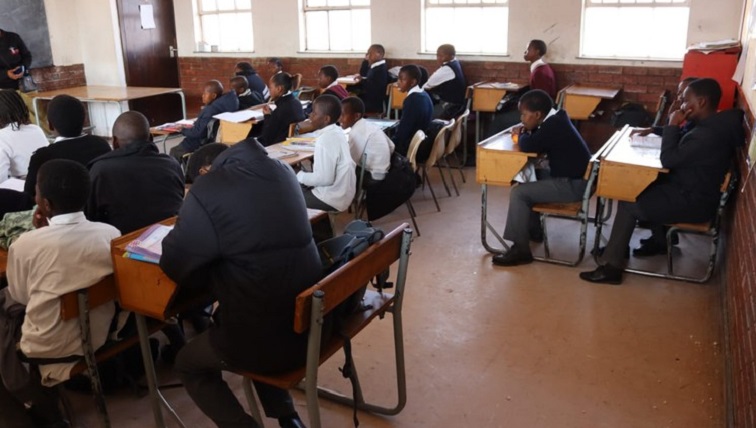
Pupils in a classroom in Eastern Cape: Image Supplied
By Lijeng Moruthane: Minister Siviwe Gwarube is urging the government to prioritize funding for the Department of Basic Education, as Finance Minister Enoch Godongwana prepares to deliver the Medium Term Budget Policy Statement on Wednesday.
Gwarube warns that if the budget allocation for education is not addressed, provinces may struggle to meet their responsibilities and might face tough choices in the near future.
This potential impact on education funding has caused concern among unemployed teachers in the Western Cape. They worry that despite their passion for teaching, they may never get the chance to work in a classroom.
The Western Cape’s plan to cut 2,400 teaching jobs next year has heightened these fears. “We planted a seed on the soil that will never reap any fruit, so it hurts. In fact, it’s not just hurtful; it’s very emotional even talking about it,” says Faith Tekani, an unemployed teacher.
The national Department of Basic Education reports it is already under strain after several years of cuts totaling billions of rands. It warns that if the budget reductions continue, they will undermine the quality of education.
“We have to protect that jealously,” says Gwarube. “It’s been my absolute obsession to say whatever happens, we have to protect educators in the classroom because if we start to have the teacher-to-learner ratio so large that you are sitting with learners 60 or 70 in a classroom to one teacher, there’s no way you can expect quality outcomes.”
Gwarube stresses that it is time for the Education Department to receive the necessary resources, especially as Grade R is set to become compulsory.
“There will never be an instance where we do not need educators. However, the alarm I am raising is that we need more than we currently have,” she states.
She adds that some provinces have not expanded their teacher workforce despite increases in student numbers, pointing out that Gauteng expects to enroll 60,000 new learners next January, which will require additional teachers.
Voice to Parliament, an advocacy and civil rights organization, warns that budget cuts will significantly impact lower-income schools, particularly quintiles one to three, potentially leading to higher dropout rates in primary and early high school phases.
“We fear the impact of this on rural communities and our most vulnerable communities that need educators for their children as a gateway to a better future,” says Marie Sukers from Voice to Parliament.
Gwarube has instructed provincial education departments to reduce wasteful spending and insists that any unspent funds should not be returned to the national treasury, especially as schools face pressing infrastructure needs.