Subtotal R0,00


International/ 29 August 2025, 07:01am/Mpho Mokoena
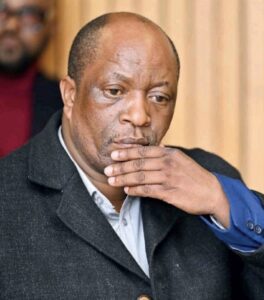
Dr Tshepo Lipholo: Image Supplied
By Mpho Mokoena: Basotho Covenant Movement (BCM) head and MP Dr Tshepo Lipholo, affectionately known to supporters as “Malata Naha,” was jolted by a courtroom decision on Thursday, August 28, 2025. Judge Fumane Khabo refused his bail, leaving the BCM firebrand behind bars as prosecutors pile up a charge sheet ranging from treason and sedition to human trafficking and insults to the Royal Family. The ruling, delivered before a packed gallery of observers, amplifies a political saga that has sharpened the debate over Lesotho’s sovereignty, loyalty, and the limits of political rhetoric.
Lipholo, who leads the BCM, has spent more than a month in remand custody since his July 4 arrest. Prosecutors allege that his words—delivered on social media and in radio interviews between April and June 2025—amounted to treason and sedition. They claim he declared that King Letsie III and the government signed away Lesotho’s sovereignty and even proclaimed himself the chief ruler of Basutoland. If proven, the assertions would strike at the heart of Lesotho’s constitutional order and the ceremonial duties of the monarchy.
The charge sheet portrays a pattern of incitement and alienation of the state’s sovereignty, tied to Lipholo’s calls to reclaim “Basotho territory” across parts of South Africa—including the Free State, Northern Cape, Mpumalanga, Eastern Cape, and KwaZulu-Natal. The BCM leader has previously floated the possibility of border redrawing, rekindling memories of a historical map that once saw Basotho communities spread across the region before colonial lines were drawn.
Prosecutors also accuse Lipholo of undermining the dignity of the Royal Family, arguing that he proclaimed himself Basutoland’s paramount chief in the monarch’s presence. If upheld, the charge would represent a direct challenge to Lesotho’s constitutional monarchy and its revered royal institution.
The case grew more intricate with the arrest of Major General Samuel Makoro, a retired army official detained on Friday for allegedly backing Lipholo and supplying him with sensitive information. Police describe a broader network aiming to exploit political sentiment and security vulnerabilities—an alarming prospect for national stability and the delicate balance between security and free speech.
BCM, a small party with a single parliamentary seat, argues that the 1962 United Nations resolution on self-determination provides a legal and moral basis for re-examining Basotho identity and territory. Yet regional dynamics offer formidable hurdles. Analysts point to the 1964 Cairo Declaration (now the African Union) which enshrined post-colonial borders to prevent cross-border conflict—a hard constraint on border-change campaigns, even when fueled by popular sentiment.
Public sentiment in Lesotho mirrors a nation carefully balancing sovereignty and development with questions about the boundaries of political expression. Some view Lipholo’s rhetoric as a symptom of long-standing frustration with governance and regional inequities. Others warn that provocative talk could sow unrest and complicate the country’s path toward democratic consolidation and economic reform.
With bail off the table, Lipholo’s legal team will push civil-liberties arguments and the limits of political protest. Prosecutors, by contrast, will hinge their case on social-media activity, radio appearances, and the tone of Lipholo’s public declarations during a crucial moment for national discourse. The courtroom, as analysts note, is poised to become a focal point for how Lesotho reconciles vigorous political debate with the rule of law and the protection of royal institutions.