Subtotal R0,00

Politics/ 26 May 2025, 14:00pm/ Lijeng Moruthane
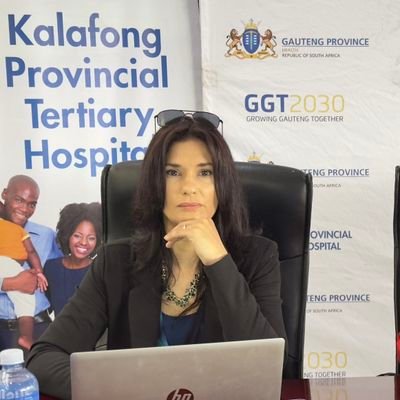
Leah Potgieter MP, DA Deputy Spokesperson on Public Service & Administration, highlights concerns over soaring executive pay at South Africa’s state-owned enterprises despite persistent service delivery failures and government bailouts: Image Supplied
By Lijeng Moruthane: The Democratic Alliance (DA) has raised alarm over what it calls “rampant executive spending” in South Africa’s public entities, where senior managers are pocketing exorbitant salaries despite repeated bailouts, underperformance, and poor audit outcomes.
In a statement issued by Leah Potgieter MP, DA Deputy Spokesperson on Public Service & Administration, the party revealed that parliamentary replies to DA questions and public remuneration data show that more than R400 million is spent annually on executive pay across just 13 government departments responsible for 117 entities — often outside the bounds of the Department of Public Service and Administration (DPSA) salary guidelines.
“With nearly 700 state-owned enterprises (SOEs) in South Africa and only a handful having responded, the full financial burden on South African citizens remains largely unknown but is no doubt substantial,” Potgieter said. “This reflects a broken system with weak oversight and eroded public accountability.”
The DA’s analysis exposed a series of eye-popping figures:
- Development Bank of South Africa (DBSA) CEO earns R15.5 million, making them one of the highest-paid public officials in the country.
- Transnet CEO earns R8.5 million annually, even as the entity grapples with port failures, rolling stock backlogs, and increasing reliance on private logistics, despite receiving a R47 billion bailout in 2023.
- Passenger Rail Agency of South Africa (PRASA) CEO is paid R7.8 million, while the agency faces scandals, failed infrastructure rollouts, and repeated audit disclaimers.
- Road Accident Fund (RAF) CEO earns R7.1 million, even though the organisation remains technically insolvent, with outstanding claims in the tens of billions.
- Council for Scientific and Industrial Research (CSIR) CEO receives R6.92 million, including R2.3 million in bonuses over two years, despite breaching DPSA guidelines.
- South African Airways (SAA) CEO gets R6 million, despite the airline’s continued dependence on state support post-business rescue.
- Air Traffic Navigation Services CEO is paid R6.14 million, even though the entity operates in a constrained aviation market without clear justification for such pay.
- Central Energy Fund CEO takes home R6.15 million, despite the fund’s failed subsidiary investments and reliance on public funds.
- Rand Water CEO earns R5.4 million, despite water outages, decaying infrastructure, and growing public frustration in Gauteng.
- PetroSA, which operates at a loss and depends on public funding, pays its CEO R5.8 million.
Read More:
Malema Defies Trump’s Call for Arrest, Vows to Keep Singing ‘Kill the Boer’ Chant
“This is not just a fiscal issue. It has profound implications for the effectiveness and credibility of the public service,” Potgieter said. “If such excesses are occurring at senior levels, it is reasonable to infer that similar practices may exist across all employment tiers within SOEs.”
The DA is calling for the Minister of Finance to include a full salary review for SOEs as part of his spending review. Additionally, the party has urged the Minister of Public Service and Administration to:
- Initiate a standardised executive remuneration framework for public entities, in consultation with National Treasury and relevant departments;
- Introduce mandatory justification and disclosure requirements for deviations from salary norms, including transparent benchmarking practices;
- Collaborate with Parliament on systemic reforms to align SOE governance with public service principles.
“The South African public deserves competent and ethical service delivery. These excessive salaries remain not only unjustifiable but an affront to the millions of South Africans who rely on basic services that are consistently failing,” Potgieter stressed.