Subtotal R0,00

Health/ 06 February 2025, 14:18am/ Staff Writer
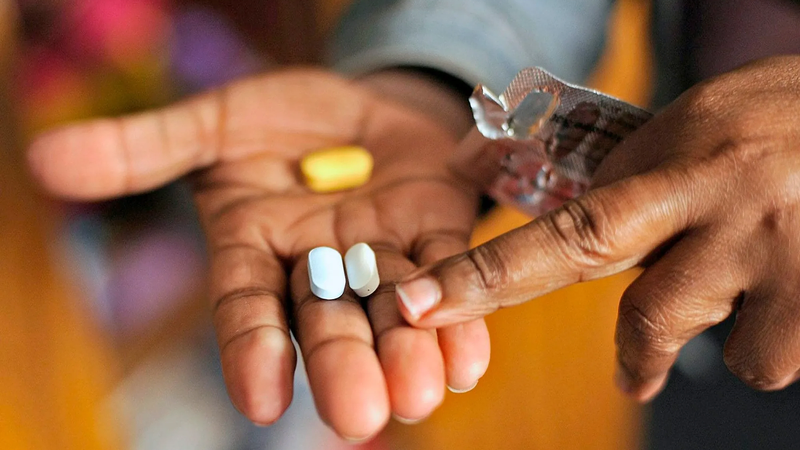
Concerns grow over the impact of PEPFAR funding withdrawal: Image Supplied
By Staff Writer: The fate of HIV prevention and treatment services in 27 high-burden districts hangs in the balance following the withdrawal of funding from the United States President’s Emergency Plan for AIDS Relief (PEPFAR). The Portfolio Committee on Health has raised alarms over the potential disruption of critical healthcare services, urging the government to act swiftly.
The US government’s decision, announced by President Donald Trump, means that PEPFAR funding—which has played a key role in supporting South Africa’s HIV/AIDS response for years—will no longer be available.
Health Minister Dr. Aaron Motsoaledi acknowledged the impact of the funding cut but assured the committee that South Africa has significantly reduced its reliance on foreign aid for antiretrovirals (ARVs), with 90% of the medication now locally sourced. However, committee members warned that the loss of PEPFAR support could still result in service interruptions, particularly in districts that have relied heavily on its assistance.
“We are deeply concerned that this decision will disrupt HIV prevention and treatment services, especially in these 27 districts where PEPFAR funding has been instrumental in saving lives,” said Dr. Sibongiseni Dhlomo, Chairperson of the Portfolio Committee on Health.
The committee stressed the need to strengthen South Africa’s health sovereignty by prioritising local production of essential medicines and diversifying funding sources. Members urged the Minister to develop alternative strategies to sustain HIV/AIDS programmes and ensure that patients continue receiving life-saving treatment without interruption.
Beyond the funding crisis, the committee also raised concerns about South Africa’s growing number of unemployed healthcare professionals. They called for urgent intervention to integrate newly qualified doctors into the public healthcare system to address staff shortages, particularly in underserved areas.
“We must ensure that we absorb newly qualified healthcare practitioners into the system to meet the growing demand for health services,” Dhlomo added.