Subtotal R0,00


Free State/ 26 February 2025, 16:05pm/ Lijeng Moruthane
By Lijeng Moruthane: The Portfolio Committee on Cooperative Governance and Traditional Affairs (COGTA) has expressed grave concerns regarding the state of municipal governance and finances in the Free State during a week-long oversight visit to the province.
The acting Chairperson of the committee, Dikeledi Direko, emphasized critical issues affecting municipalities, including poor financial management and a notable lack of clean audits.
“The Free State is one of the provinces where no municipality received a clean audit,” Direko stated, highlighting the severity of the crisis. The committee noted the increasing debt municipalities owe to Eskom and water boards, which has become a pressing concern.
“We are here to understand what the challenges are and how best to resolve them because, as a committee, we want municipalities that can provide the people with services – municipalities that are working for everyone,” she added.
During the session, officials from the Free State Department of Cooperative Governance and Human Settlements, the Free State Treasury, the Office of the Auditor-General, the South African Local Government Association (SALGA), and the national COGTA department provided briefings on the situation.
The Mangaung Metro leadership also addressed the committee, where they acknowledged some progress following a national intervention. However, alarming figures emerged during the discussions, revealing that municipalities in the province are owed nearly R40 billion, with households accounting for 73% of this debt. Additionally, Free State municipalities owe billions to Eskom and water boards, with many failing to honor debt relief agreements.
Ernest Mahlahlo, the Head of the Provincial Treasury, disclosed that his department had allocated R8 million to select municipalities to boost revenue and provided Procurement Infrastructure Knowledge Management (PINK) advisors.
“Most municipalities in the Free State are not sustainable, 15 of them to be precise,” he stated. He further explained that local municipalities are collectively owed R40 billion, with Mangaung leading at R11.7 billion, followed by Machabeng at R8.4 billion and Maluti-a-Phofung at R2.4 billion.
In the 2023/2024 financial year, unauthorized spending reached R4.2 billion, while fruitless and wasteful expenditure amounted to R1.12 billion—both figures being the highest since the onset of the COVID-19 pandemic in 2020.
For the upcoming financial year, only eight out of 23 municipalities had funded budgets, indicating that the remaining 15 drafted plans without sufficient funding to execute them.
The audit outcomes for Maluti-a-Phofung Local Municipality were reported as inconsistent and not measurable. “Only 35% of key service delivery targets were achieved, while budget spending was not available as the municipality’s actual spending does not align with Key Performance Areas,” the report noted.
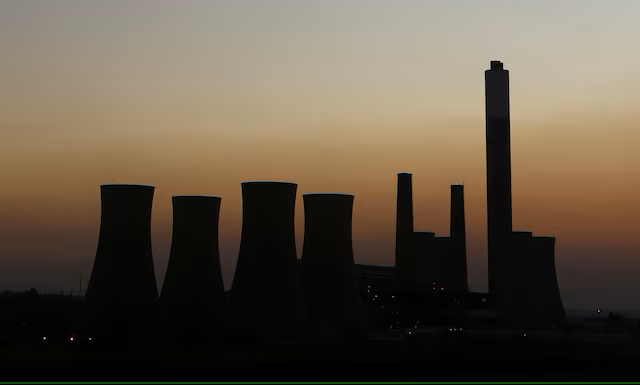
Municipal debts to Eskom amount to R7 billion, with water boards owed R922 million. The Auditor General’s report highlighted deficiencies in record-keeping, which hindered financial and performance reporting due to weaknesses in the control environment.
Concerning roads and stormwater service delivery, only 1.10 kilometers have been worked on out of the target of 2,061 kilometers.
Despite various interventions, the committee remains concerned about poor audit outcomes, rising municipal debt, and the millions in unspent conditional grants returned to the National Treasury.
Direko emphasized the necessity for municipalities to develop post-audit plans to address issues raised by the Auditor-General, calling on provincial and national governments to settle their outstanding debts to municipalities.
“We cannot expect municipalities to provide services and then not receive their revenue,” she asserted, urging local governments to implement revenue enhancement strategies.
In response, the provincial COGTA department outlined support efforts, including assistance with filling vacancies, drafting bylaws, training councillors on the code of conduct, and supporting Municipal Public Accounts Committees (MPACs).
COGTA MEC Saki Mokoena acknowledged that many municipalities struggle with their billing systems, citing Matjhabeng as an example, which was billed R60 million by Eskom but collected only R10 to R30 million in electricity revenue.
“We are focusing on that, as well as the audit outcomes of municipalities. There must be political and administrative accountability from the officials involved,” he said.
Addressing the challenges faced by Maluti-a-Phofung, Mokoena explained that the municipality has a troubled history spanning more than five years, only recently witnessing stability after being dissolved due to an unstable coalition.
“The roles of both the Mayor and the Speaker are issues we are addressing. We placed an administrator in November, and service delivery has improved in areas that were previously lacking,” he noted, while acknowledging the ongoing challenges posed by aging infrastructure and irregular spending.
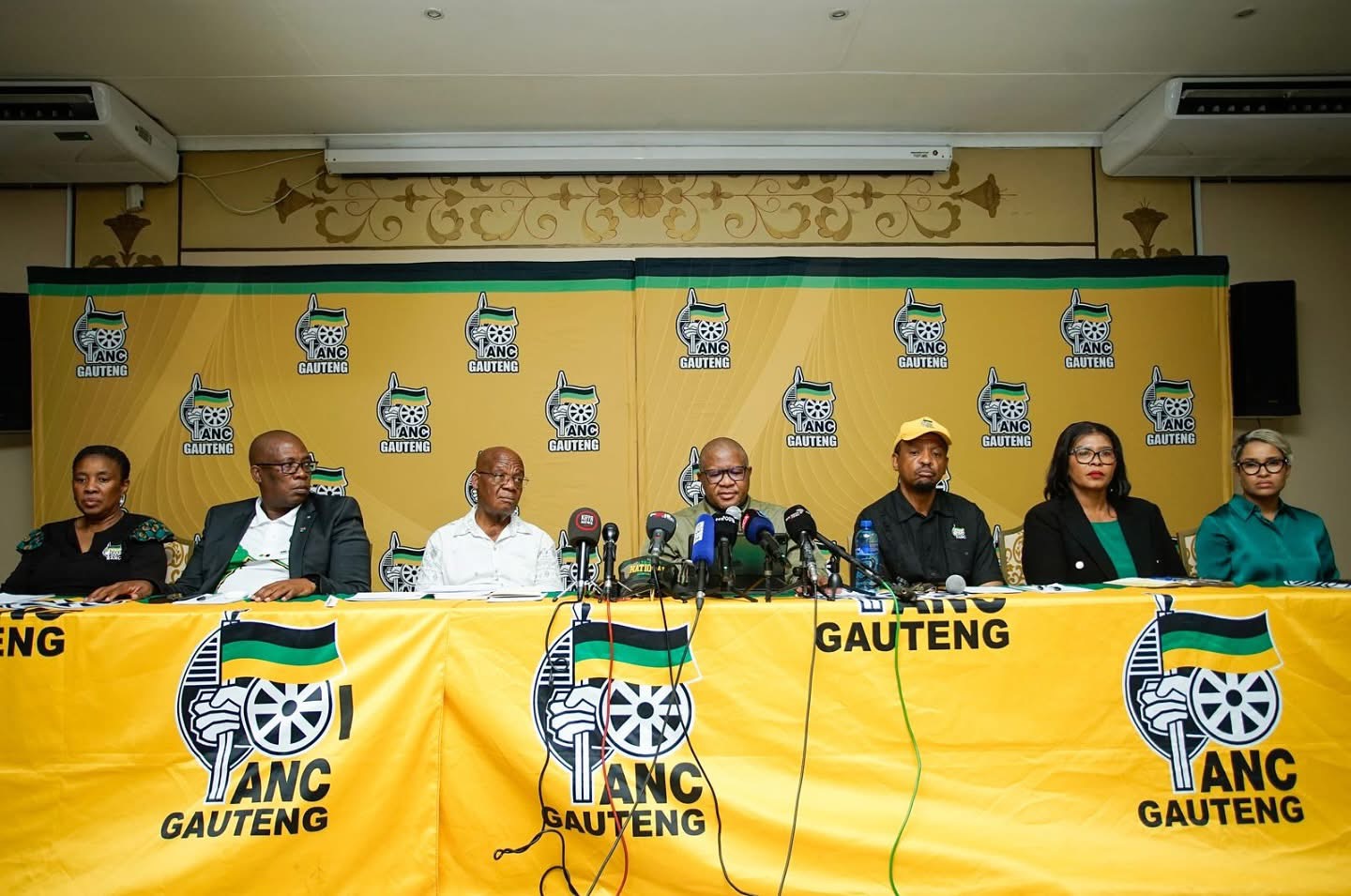
Regarding the Mangaung Metro, Mokoena pointed to a faction within the ANC called M7 responsible for the municipality’s instability, stating, “They nearly destroyed this municipality, which is why the ANC faced risks in losing it during by-elections due to their actions. They are the architects of this anarchy.”