
Subtotal R0,00

Western Cape/ 20 September 2024, 13:00pm/ Anele Ndlovu
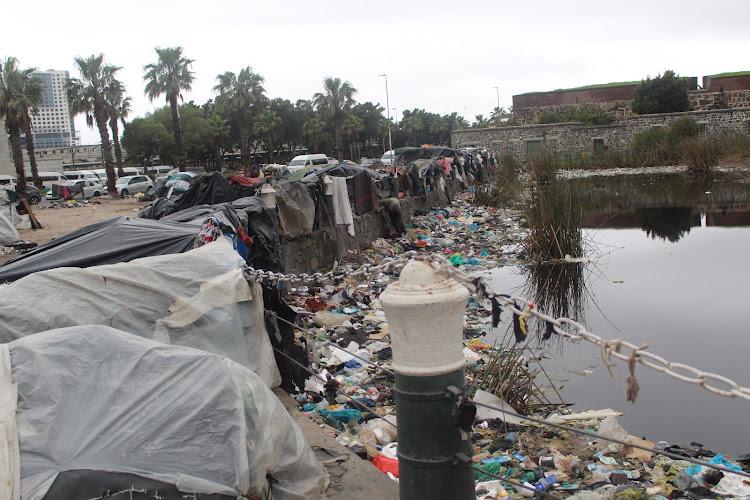
By Anele Ndlovu: In a significant move aimed at restoring the historic integrity of the Castle of Good Hope, the Department of Public Works (DPW) has secured a court order to evict residents from a shantytown that has developed around the iconic site.
The High Court in Cape Town granted the order on Tuesday, setting a deadline of October 17 for the residents to vacate the area.
The court ruling mandates that the City of Cape Town provide “alternative accommodation” for those affected, specifically in the form of “safe spaces.”
Residents who accept this offer will be entitled to an initial six-month stay, which can be extended as they work towards securing permanent housing.
However, this arrangement is contingent upon the individuals engaging with the city and cooperating with their Personal Development Plans.
Cape Town Mayor Geordin Hill-Lewis expressed his approval of the court’s decision, highlighting the ongoing challenges posed by the unlawful occupation.
“This site has long been a source of public concern and complaint — as well as a source of frequent incidents of crime and general grime,” he stated.
Hill-Lewis emphasized the city’s commitment to resolving the issue, noting that the unlawful occupation began during the national lockdown and has persisted despite numerous outreach efforts.
The mayor praised the collaboration between the city’s social development professionals and the DPW, who conducted on-site interviews to document the personal circumstances of each resident.
“Accepting social assistance to get off the streets is the best choice for dignity, health, and wellbeing,” he remarked, underscoring the importance of providing support to those in need.
Should the residents fail to vacate the area by the specified date or decline the offered accommodation, the sheriff, accompanied by police, will carry out the eviction, and the shantytown structures will be demolished.
Hill-Lewis reiterated the city’s responsibility to reclaim public spaces for the benefit of all citizens, stating, “No one has the right to reserve a public space as exclusively theirs while indefinitely refusing all offers of shelter and social assistance.”
In a broader context, the City of Cape Town is investing over R220 million in the next three years to expand its Safe Space transitional shelters, which currently provide 1,070 beds across various locations.
The city recently opened a new 300-bed facility in Green Point and is planning additional shelters in Muizenberg and other areas throughout the metro.
Hill-Lewis highlighted the city’s ongoing efforts to assist individuals experiencing homelessness, noting that in the 2022/23 period alone, the city facilitated 2,246 shelter placements, 112 family reunifications, and over 880 short-term job opportunities through its expanded public works program.







