Subtotal R0,00

Economy/ 18 March 2025, 15:35pm/ Staff Writer
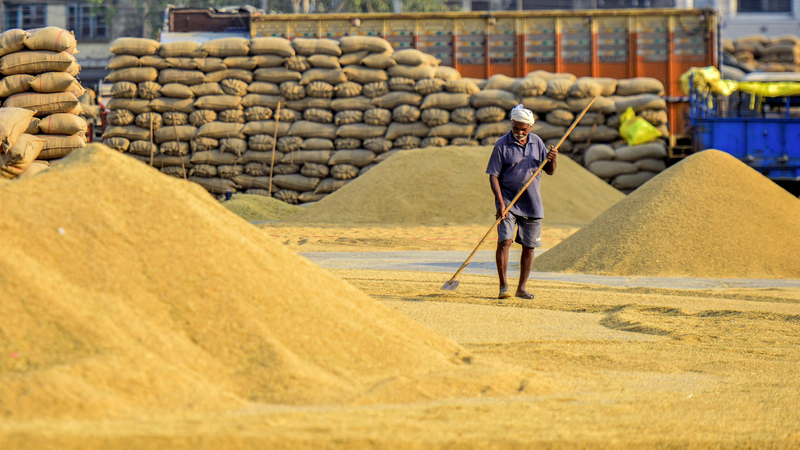
BRICS+ nations position themselves as global leaders in grain production: Image Supplied
By Staff Writer: The introduction of the BRICS+ Grain Exchange in 2024 marks a decisive shift in global agricultural trade, challenging decades of Western dominance in grain markets.
For years, Western nations have used grain as an economic and political tool, imposing export bans, trade sanctions, and price manipulations that have disproportionately affected developing economies. Now, the BRICS+ bloc is creating an independent agricultural framework that aims to stabilise prices, reduce reliance on Western-controlled systems, and enhance food security for its member states.
The BRICS+ nations, which now account for over 50% of global grain production, have positioned themselves as the world’s primary suppliers of wheat, corn, and other essential food staples. This consolidation of power in agricultural trade has raised questions about whether BRICS+ could wield similar influence over grain markets as OPEC does with oil.
Despite global challenges like climate volatility, the resilience of BRICS+ nations in agricultural production is evident. Global grain production in 2025 is projected to reach 2.31 billion tons, with BRICS+ countries leading the charge.
China remains the top producer, with 706.5 million tons, while Brazil is projected to produce 322.3 million tons of grain, further solidifying its position as a key supplier of soybeans and corn. Russia and India are also significant contributors, with 125 million tons and 110 million tons, respectively.
Other BRICS+ partners, including Kazakhstan, Uzbekistan, Indonesia, Malaysia, Iran, Saudi Arabia, and Nigeria, are strengthening the bloc’s agricultural influence. These nations have been investing heavily in grain storage and production, ensuring long-term food security, particularly for regions in Africa and the Middle East.
The BRICS+ Grain Exchange is set to disrupt Western-dominated grain pricing mechanisms by facilitating intra-bloc trade in local currencies. This move not only bypasses the US dollar but also offers Global South nations an opportunity to secure stable food supplies at fairer prices. By coordinating grain exports and establishing trade agreements outside Western frameworks, BRICS+ is effectively reducing the leverage that Western nations have traditionally held over global food markets.
This shift has the potential to redefine the way grain markets operate, just as OPEC redefined global oil trade. BRICS+ could set prices and manage grain production in a way that enhances food security within its bloc while also exerting influence over the global market. By creating a more equitable food supply chain, BRICS+ is positioning itself as a key player in global food politics.