
Subtotal R0,00

News/10 June 2026, 08:31am/ Linda Mgomezulu
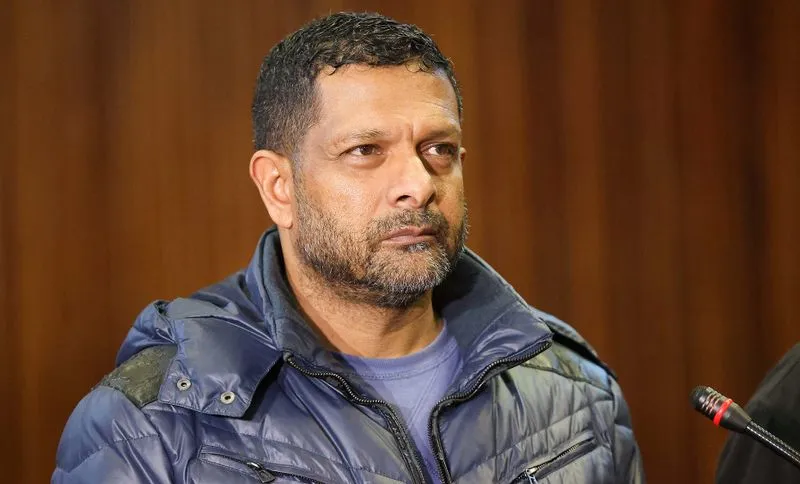
Feroz Khan: Image Supplied
By Linda Mgomezulu: What began as an inquiry into alleged misconduct by a senior intelligence figure is fast turning into a far bigger reckoning over political access, leaked police information and the reach of tobacco-linked power networks in South Africa.
Newly released court papers from the Madlanga Commission place SA’s deputy Crime Intelligence head Maj-Gen Feroz Khan at the centre of allegations that stretch well beyond internal police wrongdoing. Instead, the documents point to what investigators describe as an alleged nexus of intelligence leaks, criminal interference and politically connected relationships.
The 750-page papers, filed in the Johannesburg High Court and made public this week, stem from evidence gathered by the commission’s investigators. Their release follows the seizure of a hard drive and an iPhone 11 during Khan’s arrest at his Houghton apartment in Johannesburg last month. Gauteng Hawks head Major General Ebrahim Kadwa and Durban businessman Tariq Downes were also arrested.
The devices are said to have contained downloaded WhatsApp messages belonging to Khan.
Those messages, according to the commission, are key to understanding how Khan allegedly operated. They are said to show how he communicated with Sayed and shared sensitive police information. Khan, the commission alleged, used his position to leak sensitive police information to associates such as alleged tobacco smuggler Mohammed “Mo” Sayed and to interfere in investigations.
Among the most explosive allegations is that Khan leaked top-secret police files, including the name and private home address of the state’s main complainant in the VBS Mutual Bank scandal, curator Anoosh Rooplal, to EFF leader Julius Malema.
The commission says that after realising the messages were under scrutiny, Khan launched an urgent court bid to stop the evidence from being made public. But that legal push fell away this week.
Khan withdrew his application on Monday.
That opened the way for the commission to release a fuller account of what it described as Khan’s alleged criminal network. The papers also set out the scope of the inquiry into Khan ahead of his scheduled appearance before the commission on July 1. Much of the case is based on an affidavit compiled by investigator Tshepo Nyatlo.
Nyatlo’s affidavit widens the picture further, drawing in Carnilinx, a tobacco company that has been linked in various investigations and allegations to cigarette distribution and smuggling networks in Southern Africa, as well as EFF leader Julius Malema.
According to Nyatlo’s affidavit, Carnilinx donated R650,000 to the EFF to support its registration as a political party, while a late Carnilinx worker provided Malema with R1m to settle tax debt. Malema and his family were also said to have holed up at the Sandton penthouse of Carnilinx owner and alleged cigarette smuggler Adriano Mazzotti.
“Carnilinx donated R650,000 to the EFF to enable it to register as a political party,” Nyatlo said.
“The late Kyle Phillips of Carnilinx advanced R1m to Malema to enable him to settle a tax debt to the SA Revenue Service.
“Mazotti regularly made his Sandton penthouse available to Malema for his use.”
Nyatlo added: “Malema and his family lived in a house rented to him by the CEO of Carnilinx, Mazotti; and Khan attended an EFF gala dinner at a table sponsored by Carnilinx.
“He claimed to be conducting crime intelligence business at the time.
“If Khan disputes any of these allegations, I invite him to do so under oath in his replying affidavit.”
While the papers also contain shocking allegations surrounding the killing of Emmanuel Mbense, a father of five whose body was allegedly dumped in the Duduza Dam in Nigel, the broader significance of the documents lies in the portrait they paint of alleged influence and impunity around a senior state official.
After repeatedly forcing a plastic bag over a man’s face so he could not breathe, and beating him over and over again until he died, the killers did not panic. In fact, one of them was so calm about it that he told his accomplices he would phone SA’s deputy Crime Intelligence head Maj-Gen Feroz Khan to “fix this” and find out how to get rid of the body.
If the Madlanga Commission’s 750-page court papers are anything to go by, the killers were brazen and confident, seemingly believing they would face no consequences due to their alleged connection to Khan.







