Subtotal R0,00

Education/ 20 February 2025, 15:58pm/ Staff Writer
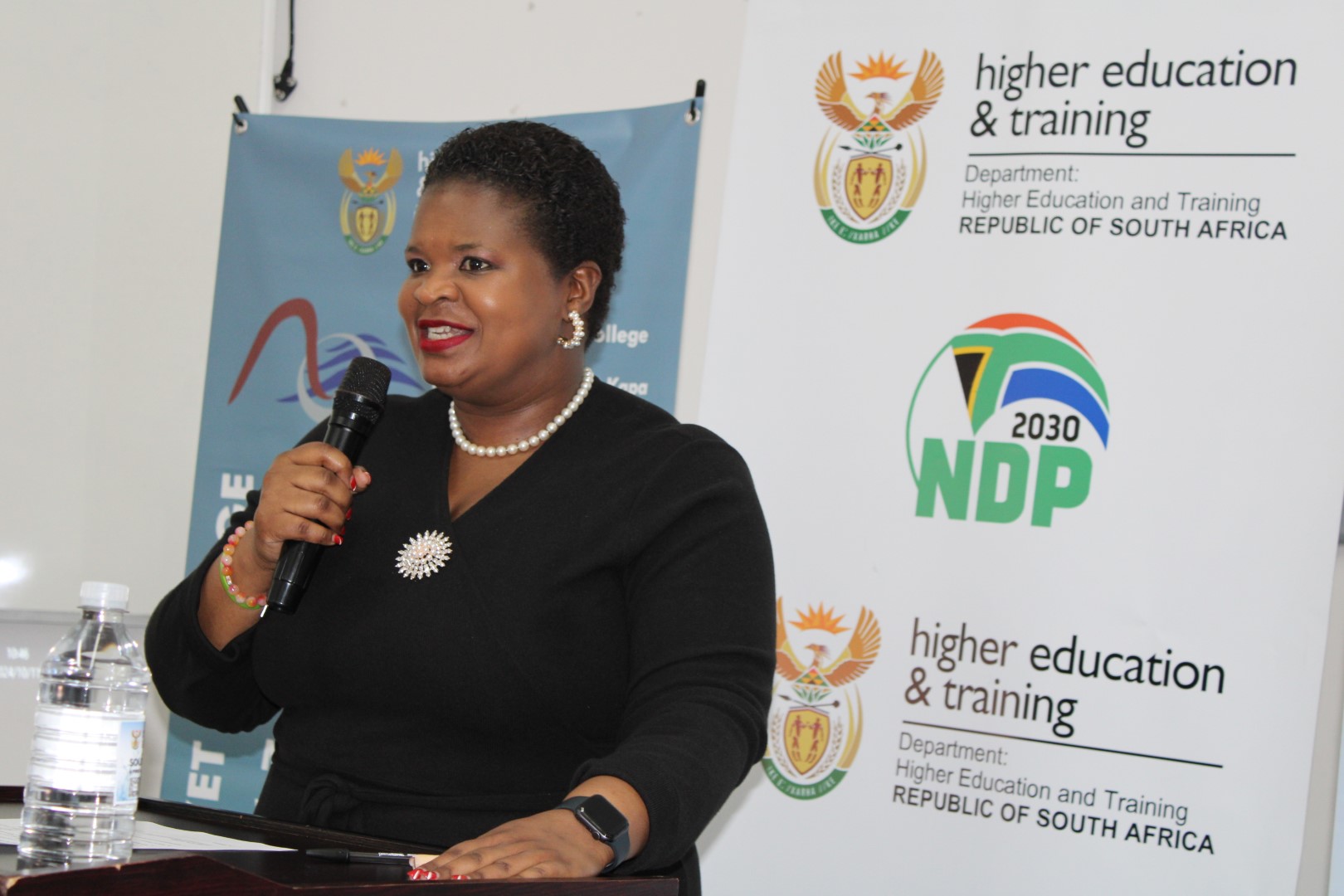
Officials target private college in Braamfontein during a crackdown on illegal institutions: Image Supplied
By Staff Writer: Authorities uncovered two private colleges operating illegally in Braamfontein during an inspection led by the Department of Higher Education and Training in partnership with the City of Johannesburg’s Region F.
One institution was found to be operating beyond its registered scope, while another failed to meet National Building Regulations and the City’s Land Use Scheme, lacking an occupancy certificate. A Section 56 fine was issued for noncompliance.
The inspection was part of a broader campaign spearheaded by Deputy Minister for Higher Education and Training, Dr. Mimmy Gondwe, to protect students from fraudulent higher education institutions. The initiative aims to raise awareness about the importance of verifying accreditation before enrollment.
“All private education and training providers must register with the department to ensure they operate within the law,” the department stated. “This regulation safeguards students and ensures their qualifications are recognized.”
The campaign saw participation from key regulatory bodies, including Umalusi, the Quality Council for Trades and Occupations, the South African Qualifications Authority, and the Council on Higher Education. Officials warned that unregistered institutions continue to lure unsuspecting students with misleading advertisements and unrecognized qualifications.
Gondwe emphasized the importance of municipal involvement in tackling the issue.
“This campaign highlights the commitment of various levels of government to ensuring compliance in the higher education sector,” she said. “By working together, we can empower students and parents to make informed decisions when selecting colleges.”
Ward 60 councillor Sihle Nguse stressed that students, particularly those from rural areas, are at high risk of enrolling in unregistered colleges.
“The success of this campaign depends on continued collaboration between law enforcement, educators, and parents,” Nguse said. “Stronger enforcement efforts will help protect students from institutions that do not meet legal and educational standards.”