Subtotal R0,00

Economy/ 25 April 2025, 11:48am/ Lijeng Moruthane
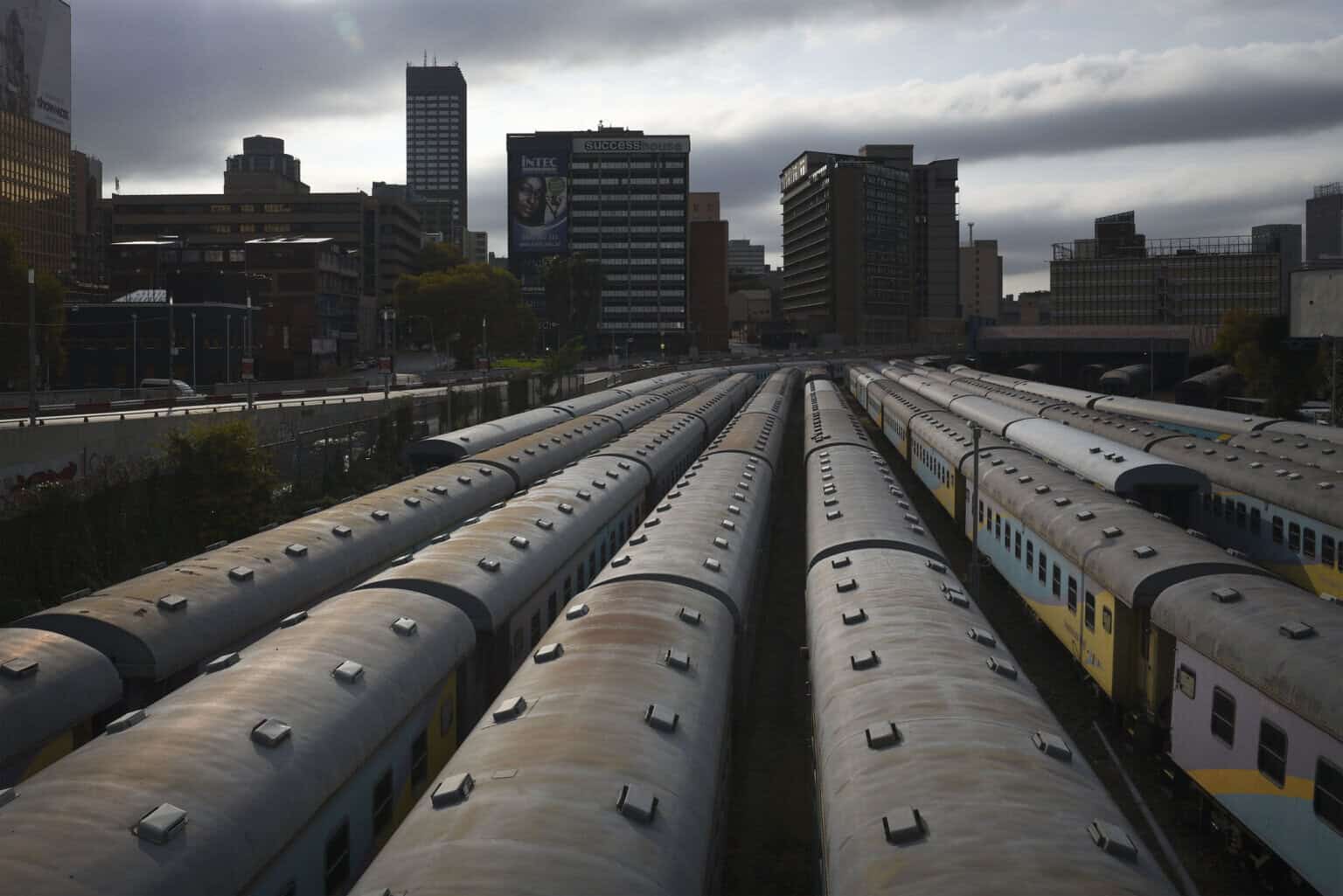
State-owned enterprises like PRASA and SAA have received billions in bailouts, sparking renewed calls for reform amid budget shortfalls: Image Supplied
By Lijeng Moruthane: South Africa’s bloated state-owned enterprises (SOEs), long criticised for draining the public purse, are once again under the microscope as Finance Minister Enoch Godongwana scrambles to find R75 billion lost by the scrapped VAT hike.
The cancellation of a proposed 0.5-percentage point increase in value-added tax—announced yesterday—may have spared consumers further economic strain, but it has amplified fiscal pressure on a government already struggling to balance its books.
Experts say the reversal should serve as a wake-up call: the country can no longer afford to prop up dysfunctional SOEs while critical services like education, healthcare, and defence face chronic underfunding.
“The big question is: where will the money come from?” said Lynn Marais, wealth strategist at Chelete Management. “SOEs have guzzled over R520 billion in taxpayer money over the past decade. That’s an average of R52 billion a year. And for what return?”
Marais warned that without a firm revenue-replacement strategy or significant reforms, the VAT rollback risks damaging South Africa’s already fragile financial credibility. “Throwing billions at loss-making SOEs without a turnaround strategy is fiscally reckless,” she said.
The Organisation Undoing Tax Abuse (OUTA) believes the answer lies in stepping back from sectors where the state continues to compete with private enterprise.
“Government should get out of businesses like airlines and armament manufacturers,” said OUTA chief executive Wayne Duvenage. “These state entities aren’t agile or efficient enough to thrive. Political interference holds them back. The private sector is better positioned to run them, create jobs, and pay taxes.”
Ray Langa, CEO of Leagas Delaney, said the VAT shortfall should force government to make “tough calls” about where its money is going. “We need to stop financing inefficiency. Entities like the Passenger Rail Agency of South Africa need serious review. It’s time to put people before politics.”
Academic dean at Regent Business School, Shahiem Patel, acknowledged that SOEs still play a strategic role, but said they must be reformed—not propped up. “The issue isn’t whether SOEs should exist. It’s whether they can operate efficiently, free from corruption and political meddling,” he said. He also proposed better management of underutilised public assets as part of the solution.
Khudusela Pitje, CEO of New GX Capital, echoed the call for fiscal discipline within both SOEs and municipalities. “The state must adopt a return-on-capital mindset. Growth and job creation are the long-term solutions, but we must start by cleaning up public sector inefficiencies.”
While the cancelled VAT increase may have provided short-term political relief, economists warn it doesn’t resolve the deeper structural issues.
Economist Dawie Roodt, a long-time supporter of privatisation, said the real concern isn’t the R75 billion revenue gap—but South Africa’s overall economic outlook. “The VAT reversal is a drop in the ocean compared to the IMF downgrade and uncertainty around our political stability,” he said.
Roodt dismissed the VAT decision as political theatre. “This was a standoff, and the ANC blinked first. Unfortunately, that leaves the public with the bill—and the government with no clear plan.”