Subtotal R0,00

Politics/ 30 January 2024, 11:41am/ Mandla Nkosi
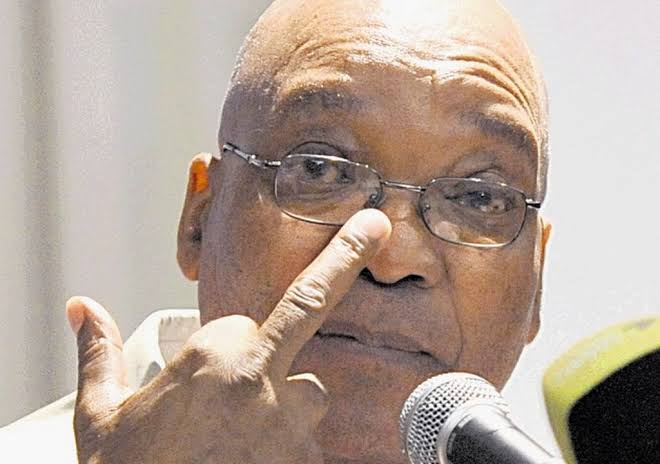
Former ANC President Jacob Zuma: Image supplied
By Mandla Nkosi: The African National Congress (ANC), South Africa’s ruling political party, has taken the dramatic step of suspending its former leader and ex-President Jacob Zuma, following his public endorsement of a new political faction. ANC Secretary-General Fikile Mbalula announced the suspension on Monday, emphasizing the party’s commitment to upholding its values and principles.
This latest development indicates a deepening rift within the ANC as it approaches a general election in which it is predicted to face significant challenges. The ANC has been the dominant force in South African politics since the end of apartheid, but internal divisions and public dissatisfaction have threatened its long-standing supremacy.
Jacob Zuma, who led the country from 2009 until his resignation in 2018 amid corruption allegations, has become increasingly isolated from the ANC. His recent declaration to support the newly formed uMkhonto We Sizwe (MK) party named after the ANC’s historical military wing has exacerbated tensions. Zuma’s backing of MK, which he announced in December, is seen as a betrayal by many within the ANC and a direct threat to the party’s electoral prospects.
Secretary-General Mbalula, speaking after a National Executive Committee meeting that included President Cyril Ramaphosa, condemned the establishment of the MK party. He described it as a calculated move to exploit the legacy of the armed struggle against apartheid for political gain, labeling it a “counterrevolutionary agenda.”
The ANC is not only suspending Zuma but also considering legal action to challenge the registration of the MK party and to protect its historical trademarks.
Zuma has been given a 48-hour window to respond to his suspension. This latest chapter in the ANC’s history highlights the challenges it faces in maintaining unity and addressing the grievances that have led to the emergence of rival factions within South Africa’s political landscape.
As the general election looms, all eyes will be on the ANC to see how it navigates these internal conflicts and whether it can retain its position as the nation’s leading political force amidst growing competition and voter disillusionment.