Subtotal R0,00


Politics/ 24 October 2024, 10:59am/ Anele Ndlovu
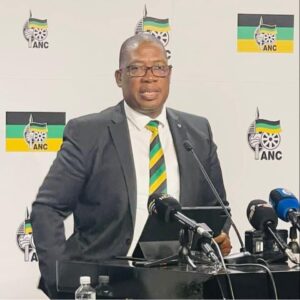
Gauteng Premier Panyaza Lesufi has denied reports claiming he is seeking the ANC top position: Image Supplied
By Anele Ndlovu: Gauteng Premier Panyaza Lesufi has strongly denied rumors that he aims to succeed President Cyril Ramaphosa as the leader of the African National Congress (ANC).
This comes amid growing speculation following a public disagreement between Lesufi and the party’s secretary-general, Fikile Mbalula.
Tensions rose outside the ANC headquarters at Luthuli House in Johannesburg, where Lesufi’s supporters staged a silent protest during the party’s “100 Days of Government of National Unity” event.
Protesters carried signs reading “Don’t kill Chris Hani again” and “We are Panyaza Lesufi, Panyaza Lesufi is us,” expressing both solidarity with Lesufi and frustration with the party’s internal issues.
Reports suggest Mbalula is uneasy about Lesufi’s growing influence in the ANC, with speculation that a rivalry may emerge as the ANC prepares for its 56th elective conference in 2027.
There are also rumors that Lesufi could challenge Ramaphosa when he finishes his second term, further fueling talk of a possible succession battle.
During a press briefing, Lesufi rejected these claims, saying his focus is on learning and growing as a leader, not pursuing political power. “I have publicly stated that I have no interest in leading the ANC at that level,” Lesufi said.
“I believe there are more experienced leaders to take the ANC forward. I’m still in the process of gaining experience.”
Lesufi attributed the confusion to comments he made during a podcast, where he responded to accusations from the Democratic Alliance’s (DA) John Steenhuisen about his views on the Government of National Unity.
He clarified that his statements were misunderstood as a challenge to ANC leadership or a bid for higher office.
This political context follows a controversial decision Lesufi made after the May 29 elections when he offered the DA only three of ten seats in his executive council, an offer the DA declined.
This move raised concerns about the future of the Government of National Unity, a key part of Ramaphosa’s political strategy.
Political analysts suggest that Lesufi’s actions highlight deeper divisions within the ANC, especially between Ramaphosa’s supporters and those who might be positioning themselves for future leadership roles.
Mbalula, however, downplayed talk of party infighting, stating that such narratives don’t reflect the unity within the ANC.