
Subtotal R0,00

Politics/19 September 2026, 06:45am/ GoodWill Mathebula
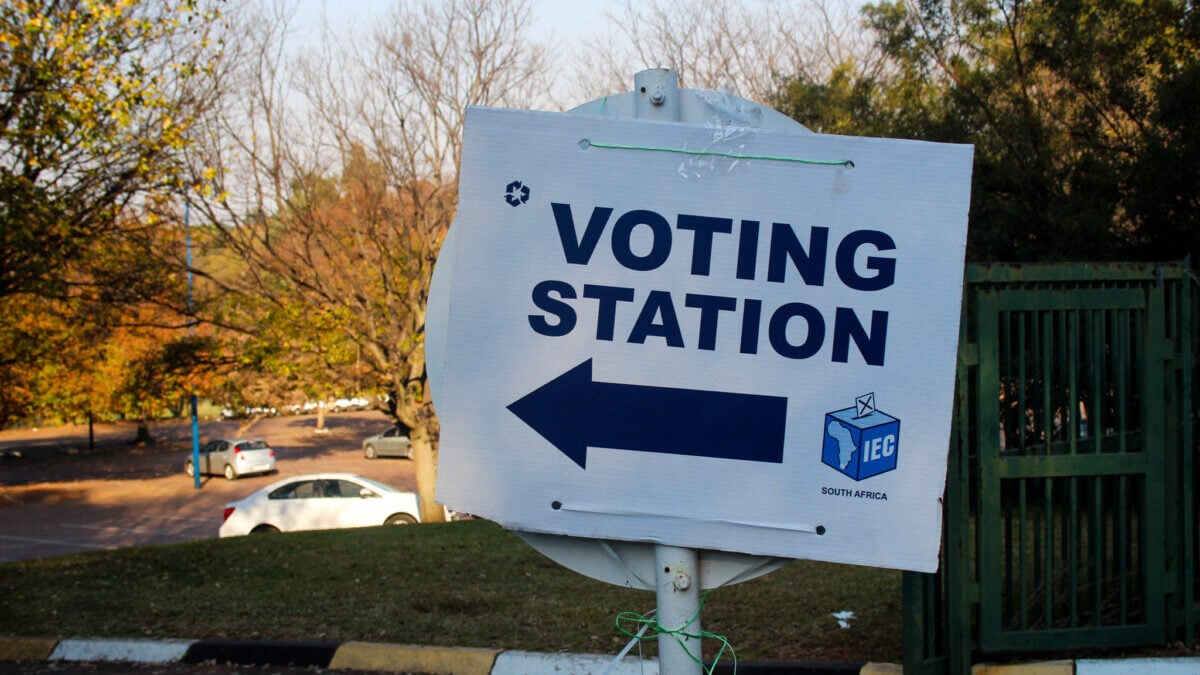
By GoodWill Mathebula: Political parties are taking a high-stakes gamble ahead of the November 4 municipal council elections by submitting only one name for proportional representation (PR) seats—leaving voters guessing who else could eventually occupy the positions their parties win.
The strategy may help parties avoid internal battles over coveted council seats, but it could also cost them influence when newly elected councils meet for the first time.
Under the Municipal Structures Act, parties may not add to or change their candidate lists from the close of nominations until the day after the first meeting of the new council. As a result, parties that win several PR seats but submit only one candidate could find some of those positions vacant when councils are constituted.
That could have serious consequences in hung councils, where no party secures an outright majority and coalition negotiations begin immediately after the election.
The most dramatic example is in the Mangaung metro, where the ANC failed to register even a single PR candidate after submitting only the details of its ward candidates before the deadline.
The omission could hand rival parties an unexpected opportunity to join forces and seize control of the council after the polls.
Even if the ANC wins enough support to qualify for PR seats, it may not be able to fill them immediately. The first council meeting could therefore proceed with vacant positions—potentially weakening the party’s ability to participate in crucial votes.
Several parties contesting major metropolitan councils have followed the one-name approach.
In Cape Town, ActionSA has submitted MP Dereleen James as its only PR candidate. In Johannesburg, the party has listed Herman Mashaba, while incumbent mayor Nasiphi Moyo is its sole listed PR candidate in Tshwane.
The EFF has similarly named parliamentary whip Nontando Nolutshungu as its only PR candidate in Cape Town, Tlaleng Mofokeng in Johannesburg, and MP and party Treasurer-General Omphile Moatwe in Tshwane.
The MKP has listed Bongani Baloyi as its solitary PR candidate in Johannesburg, Nkele Matime in Tshwane, and Ncumisa Mahangu in Cape Town.
Political newcomer Floyd Shivambu’s Afrika Mayibuye has also adopted the same approach in municipalities where it is contesting.
Other parties that have submitted only a single PR candidate include Good and Cope.
The decision has left supporters without a clear picture of who may represent them if their party wins multiple PR seats.
It also appears designed to prevent internal disputes. Naming only one candidate allows party leadership to postpone difficult decisions over which activists, campaigners or senior officials should receive council positions.
But that delay could create uncertainty at the very moment when councils need to be formed and coalitions negotiated.
In councils without a clear majority, every seat can determine who becomes mayor, speaker or chief whip. Vacant PR positions could therefore alter the balance of power and complicate coalition agreements.







