Subtotal R0,00

National/ 17 February 2025, 15:26pm/ Staff Writer
Right-wing groups intensify lobbying against South Africa’s Expropriation Act: Image Supplied
By Staff Writer: Right-wing organizations, NGOs, and certain political parties in South Africa are ramping up efforts to lobby the government to abandon its plans for the Expropriation Act, a key piece of legislation aimed at addressing the country’s deep-rooted inequalities.
The Act, intended to redistribute land and wealth to correct historic injustices, has become a lightning rod for criticism, particularly from groups like the Afrikaner rights organization AfriForum, which has been vocal in its opposition.
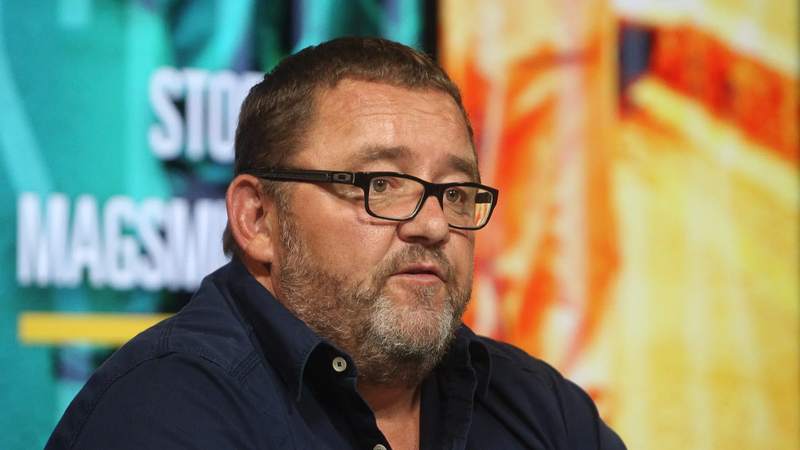
AfriForum, led by CEO Kallie Kriel, has been at the forefront of the movement to halt the implementation of the Expropriation Act, falsely associating it with forced land dispossession. Kriel recently declared that President Cyril Ramaphosa’s diplomatic efforts to ease tensions with the United States over the Act are doomed to fail.
He and other members of his organization argue that the Act represents an existential threat to property rights and has falsely portrayed it as a move towards confiscating private land.
This narrative has stirred tensions both within South Africa and abroad, with critics of the Act amplifying concerns about land grabs. Kriel’s claims about the government’s intentions were echoed in the media, where right-wing figures used the fear of expropriation to rally opposition.
These efforts have successfully distorted the conversation around the Expropriation Act, leading to widespread misconceptions that South Africa is engaging in widespread land dispossession.
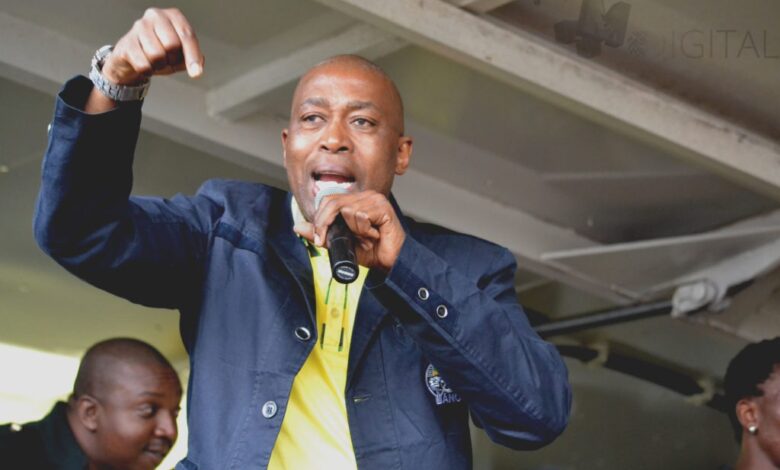
In response to these developments, Independent Political Analyst and Senior Lecturer at the University of Limpopo, Dr. Metji Makgoba, weighed in on the situation. Makgoba argued that the pushback from groups like AfriForum is part of a broader strategy to undermine affirmative action and redress policies aimed at rectifying racial inequalities in the country.
“Some of these organizations are not in favor of affirmative action and actively resist any policy that could create channels for meaningful racial justice,” said Makgoba. “Despite the pressing need for systemic change in South Africa, we still lack a comprehensive framework for affirmative action that truly addresses the profound inequalities we inherited from apartheid.”
Makgoba’s remarks come at a time when South Africa’s racial justice efforts are under scrutiny both domestically and internationally. The Expropriation Act is viewed by many as a necessary step toward redressing the legacy of apartheid, where a small white minority held the majority of land, leaving Black South Africans with limited access to land and economic opportunities.
The Act allows for expropriation of land in exceptional cases, such as abandoned or underutilized land, and ensures that compensation is “just and equitable.” However, right-wing organizations have continued to spread false narratives about the Act, painting it as an effort to confiscate land without compensation.
Makgoba pointed out that the resistance from these groups extends beyond land reform to broader efforts aimed at achieving racial justice in South Africa. He criticized the ongoing opposition to policies designed to address the country’s systemic inequalities, suggesting that these organizations are determined to maintain the status quo rather than support meaningful change.
“The media plays a critical role in amplifying these voices,” Makgoba added. “The conservative media in particular serves as an influential tool for pushing a right-wing agenda that seeks to preserve white privilege in South Africa.”
Despite the ongoing controversy, President Ramaphosa’s envoys are set to embark on a mission to the US in an effort to clarify South Africa’s stance on the Expropriation Act and dispel the false claims about land grabs.
This diplomatic initiative aims to address growing concerns among international audiences, particularly following statements by US President Donald Trump and South African-born billionaire Elon Musk, who have both perpetuated the narrative of widespread land dispossession under the Act.
The Expropriation Act, which was introduced as part of South Africa’s broader land reform agenda, has been criticized by some for not going far enough in addressing the country’s land ownership imbalances.
Over three decades after the end of apartheid, the white minority still controls more than 70% of South Africa’s agricultural land, despite constituting just 7% of the population.
Kriel and other critics of the Expropriation Act have continued to portray the government’s efforts as a threat to property rights, using sensationalized claims about land expropriation to rally their base. Their lobbying efforts have successfully created a narrative of fear and mistrust, despite the fact that the Act includes safeguards to ensure fair compensation.