Subtotal R0,00


National News/ 24 February 2025, 13:05pm/ Lijeng Moruthane
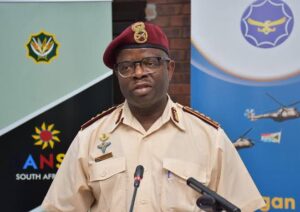
Lieutenant-General Ntshavheni Maphaha: Image Supplied
By Mpho Mokoena: Lieutenant-General Ntshavheni Maphaha of the South African National Defence Force (SANDF) has come under fire for comments made during the funeral of Staff Sergeant Ishmael Molahlehi, one of the 14 South African soldiers who recently died in the Democratic Republic of the Congo (DRC).
Maphaha condemned the government for what he described as a failure to secure South Africa’s borders, calling the SANDF a “Mickey Mouse force.”
Speaking at the service held over the weekend, Maphaha expressed concern over the state of national security, stating, “The South African borders are porous because you, the politicians, have decided you want a Mickey Mouse defence force.” He warned that inadequate border protection leaves the country vulnerable and stressed the importance of equipping the military to fulfill its duties.
Maphaha highlighted South Africa’s position as a “big brother” on the African continent, arguing that the country cannot effectively lead if it is unable to defend itself.
“You cannot be a big brother if you are unable to wield a stick that will make people afraid,” he declared, emphasizing the need for a robust military presence.
His remarks come amid growing public concern regarding the SANDF’s preparedness to defend the nation. Maphaha urged politicians to prioritize military funding, comparing national defense to personal safety. “How many of you will build an expensive and beautiful house and not fence it and protect it? I don’t think any of you will do that,” he stated.
In response to the general’s statements, Dakota Legoete, chairperson of the Portfolio Committee on Defence and Military Veterans, criticized Maphaha’s choice of words.
“We can’t have generals speaking in folk tongues. This general must account; if he speaks like this, the country is in trouble,” Legoete remarked, adding that “a crying general is not what this country needs.”
The Lieutenant-General’s comments have sparked a debate about the state of the SANDF and the government’s role in ensuring national security.