
Subtotal R0,00

Free State/06 August 2026, 07:34am/Linda Mgomezulu
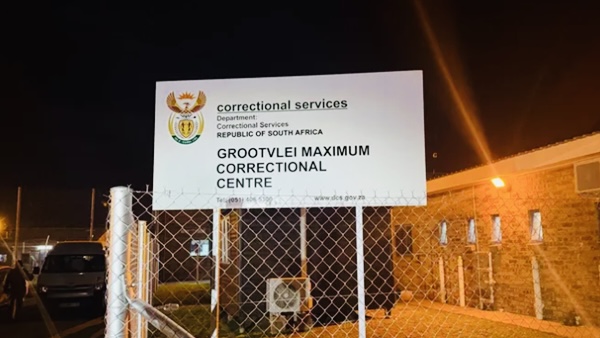
By Linda Mgomezulu: A government takeover intended to bring Grootvlei Maximum Correctional Centre firmly under public control has instead placed the Mangaung facility under an intense spotlight, with lawmakers raising concerns about healthcare, food safety, staffing and the fate of former private-sector employees.
The Portfolio Committee on Correctional Services sounded the alarm following an oversight visit to the prison, which currently houses 2,928 inmates — its full capacity. The inspection came just weeks after the Department of Correctional Services (DCS) assumed control of the facility on July 1, 2026.
For 25 years, Grootvlei operated under a public-private partnership managed by Bloemfontein Correctional Contracts (BCC), which had contracted G4S to run the centre.
The transition has been marked by uncertainty, particularly for the 495 former G4S officials affected by the changeover. Although 310 have been employed by the DCS, the remaining workers are still without jobs.
Committee chairperson Kgomotso Ramolobeng said Parliament was searching for ways to address the employment dispute.
“We sympathise with the currently unemployed G4S employees and we are looking at other avenues to see how their matter can be resolved amicably.
”We have sought legal advice from Parliament’s Constitutional and Legal Services Office on the matter to better understand the legal implications and the committee’s oversight role,” Ramolobeng said.
Healthcare emerged as one of the committee’s most serious concerns. Inmates reportedly complained about medication shortages, with some alleging that they had received incorrect medication.
Others said their chronic medication had been interrupted for as many as three consecutive days.
The committee described the allegations as serious, stressing that prisoners remain entitled to appropriate healthcare while in state custody. Any breakdown in the supply or administration of medication could have serious consequences, particularly for inmates managing long-term conditions.
The facility’s kitchen also came under scrutiny after inspectors discovered that food samples for August 1, 2026, were unavailable.
Food samples must be retained for 72 hours as part of standard food safety and quality assurance procedures. Their absence, together with missing food-tasting records, raised questions about whether proper controls were being followed.
”The absence of the required food samples and food tasting records undermines accountability and limits the ability to investigate any concerns relating to food quality or possible food-borne illnesses,” said Ramolobeng.
The committee called on the DCS to enforce strict food safety protocols and ensure that all records are properly maintained. Without accurate documentation, officials may struggle to trace the source of a suspected food-related illness or determine whether meals served to inmates met required standards.
Staff shortages are adding another layer of strain to an already stretched institution. The committee urged the DCS to fill 309 vacant posts at Grootvlei by the end of September 2026.
With the centre operating at full capacity, the vacancies could affect security, healthcare delivery, rehabilitation programmes, administration and the general daily management of inmates.
The committee further recommended that former G4S employees who meet the minimum requirements for available posts should receive preference during recruitment.
It also called for unsuccessful applicants to be notified in writing and given clear reasons for their disqualification.







