
Subtotal R0,00

News/09 June 2026, 07:00am/ Mpho Mokoena
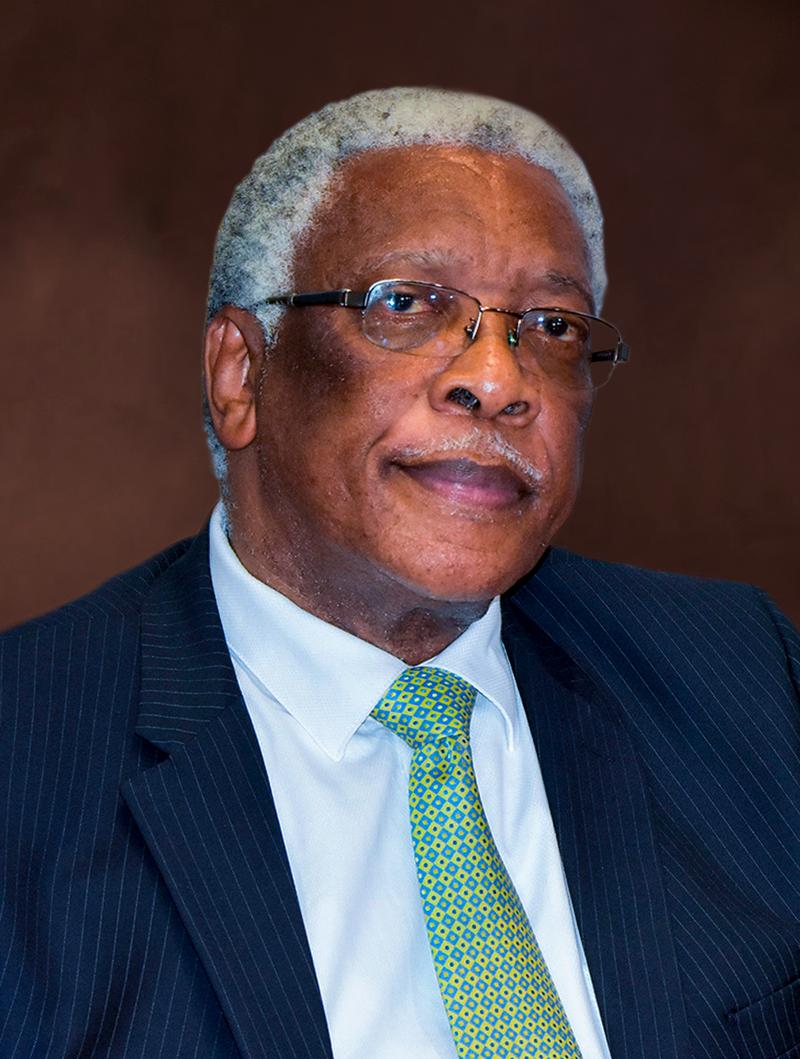
Selby Mbenenge: Image Supplied
By Mpho Mokoena: A dramatic new legal battle is unfolding around Eastern Cape Judge President Selby Mbenenge, who has turned to the Pretoria High Court in a bid to halt the machinery of impeachment before it reaches Parliament.
In a bold challenge to the Judicial Service Commission, Mbenenge argues that the body acted unlawfully when it escalated a tribunal’s finding of misconduct into one of gross misconduct — a far more serious conclusion that opens the door to his possible removal from office.
At the heart of the case are sexual harassment allegations brought by his former secretary, Andiswa Mengo, allegations that have already shaken the judiciary and now threaten to trigger one of the most consequential accountability processes a judge can face.
In papers before the court, Mbenenge says the JSC’s decision was “irrational, procedurally unfair and inconsistent with the principle of legality.” He is asking the court not only to review and overturn the gross misconduct finding, but also to stop the JSC from taking any further action and to bar Parliament from considering the matter until the legal review has run its course.
The judge’s legal strategy is clear: freeze the process, challenge the foundation, and prevent what he says would be catastrophic damage if the matter advances before the court rules.
Mbenenge argues that it is unprecedented for the JSC to replace the tribunal’s finding of misconduct, which does not carry the consequence of impeachment, with gross misconduct. In his application, he says this is “procedurally unfair, substantively irrational, materially influenced by errors of law and fact, unreasonable and offends the principle of legality.”
He further contends that the case against him does not satisfy the legal threshold for sexual harassment. According to his court papers, the finding rested largely on WhatsApp exchanges rather than on “actual sexual intercourse or persistent humiliating or threatening actions.” He also argues that Article 5.1 of the Code of Judicial Conduct cannot fairly be used against him because, he says, he was not afforded an opportunity to mount a defence under that section.
Mbenenge has also urged the court to take into account findings made about Mengo’s credibility. He says the complainant was found to have lied, omitted flirtatious messages she had sent, and falsely portrayed herself as an unwilling participant — shortcomings he says resulted in a damning credibility finding against her.
But the JSC saw matters differently.
In March, the commission rejected the earlier conclusion of the Judicial Conduct Tribunal, which had found Mbenenge guilty of misconduct but stopped short of declaring it gross misconduct. Instead, the JSC ruled that his conduct crossed that higher threshold because of what it described as a serious disregard for workplace power dynamics.
That ruling sharply raised the stakes.
If the JSC’s recommendation proceeds to Parliament, the National Assembly could be asked to vote on Mbenenge’s removal. A two-thirds majority would be required to strip him of his judicial office and pension benefits — a prospect Mbenenge says would cause irreparable harm to both his reputation and career even before the review challenge is decided.
The allegations themselves stem from WhatsApp messages allegedly sent by Mbenenge to Mengo between 2021 and 2022, which she presented as evidence of unwarranted sexual advances. Mengo also accused him of exposing himself to her in his chambers, adding a deeply serious dimension to the complaint.
In January, the tribunal chaired by retired Judge President Bernard Ngoepe found Mbenenge guilty of misconduct, but did not categorise the conduct as gross misconduct. That distinction is now central to the high-stakes court fight.
Mbenenge insists the tribunal exceeded its terms of reference, that the JSC’s decision flowed from a defective process, and that the commission’s ruling is fundamentally flawed. He has previously maintained that the interactions in question were consensual.
Now, with the threat of parliamentary action hanging over him, the embattled judge is seeking to slam the brakes on the process.







