
Subtotal R0,00

News/ 05 March 2026, 15:00pm/Sipho Gumede
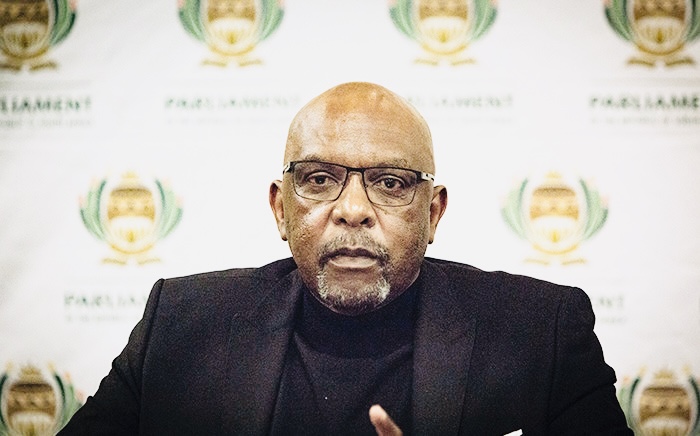
Vincent Smith: Image Supplied
By Sipho Gumede: The sentencing of former ANC MP Vincent Smith to seven years of direct imprisonment has been framed by authorities as a significant moment in South Africa’s ongoing effort to confront corruption in public office.
Smith was sentenced in the Johannesburg High Court after reaching a plea and sentencing agreement with the state. Judge Mohamed Ismail presided over the proceedings and accepted the agreement in terms of the Criminal Procedure Act, as presented by prosecutors and confirmed by Smith.
Officials say the case highlights the growing determination of law‑enforcement institutions to hold senior political figures accountable.
Investigating Directorate Against Corruption (Idac) spokesperson Henry Mamothame emphasised that Smith’s position carried a particular responsibility.
“The accused was a legislator entrusted with the responsibility of ensuring that the laws of the country were upheld,” Mamothame said.
During sentencing, Judge Ismail described corruption as a national crisis, warning that it had become a “scourge” that had reached “alarming levels” and required decisive action.
Smith pleaded guilty to multiple charges, including contravening the Prevention and Combating of Corrupt Activities Act, fraud, money laundering and contravening the Tax Act.
The court imposed sentences of 12 years on each count, with portions suspended for five years on condition that Smith does not commit similar offences during the suspension period.
According to Mamothame, the combined effect of the sentencing means Smith “will effectively spend seven years in prison”.
The convictions stem from Smith’s relationship with facilities management company Bosasa. Through former chief financial officer Angelo Agrizzi, the company allegedly offered Smith various gratifications, including security upgrades at his Gauteng home.
Prosecutors said Smith also accepted cash payments deposited into his personal bank account via the account of his company, Euroblitz.
The payments were allegedly made in exchange for the use of his political influence as a member of parliament to shield Bosasa from accountability regarding corruption linked to contracts worth billions of rand with the Department of Correctional Services.
Investigators also found that Smith failed to disclose taxable income linked to Euroblitz between March 2009 and July 2018, amounting to approximately R28 million. Charges against the company itself were later withdrawn.
National director of public prosecutions Andy Mothibi said the conclusion of the case demonstrated that accountability could still prevail despite lengthy legal processes.
“In as much as the trial took longer than anticipated, the wheels of justice finally got in motion and the rule of law upheld,” Mothibi said.
He also commended the prosecution team involved in bringing the case to its conclusion.







