Subtotal R0,00

International/ 29 August 2025, 07:36am/Staff Writer
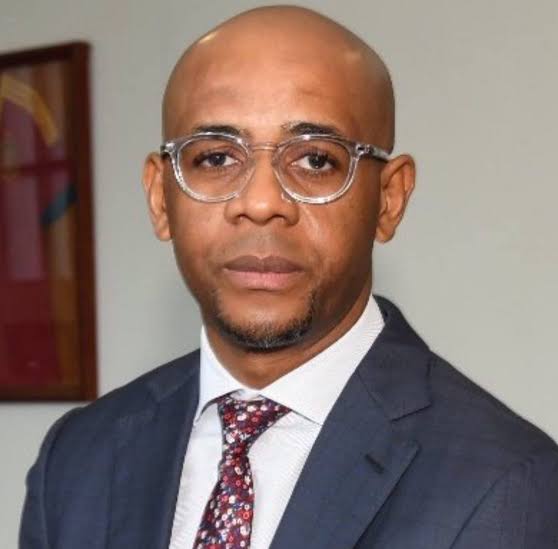
 Baltasar Ebang Engonga: Image Supplied
By Staff Writer: Baltasar Ebang Engonga, the nephew once billed as a gleaming future star in Equatorial Guinea’s tightly wound power circle, has been handed an eight-year prison term in a verdict that reads like a high-stakes drama straight from the corridors of Malabo’s elite. The former head of the National Financial Investigation Agency was found guilty of embezzlement, a crime that prosecutors said saw public funds siphoned off for personal use asEngonga and five colleagues claimed money as travel allowances. The sums ranged from modest $9,000 bits to a fatter $220,000, funneled through secret accounts and then shared among an inner circle that many observers say is accustomed to cloaked transactions and preferential treatment.
The courtroom saga didn’t fade when the gavel struck. Engonga, known to the public as “Bello” for his striking looks and magnetic social sway, was thrust into a scandal last year after a flood of sex videos splashed across the internet. The clips capture him in intimate moments with several women—many wives and relatives of power brokers adjacent to the corridors of influence. The leak exploded into a national spectacle at a moment when President Teodoro Obiang Nguema Mbasogo—at the helm of the country’s oil fortunes and a governance legacy stretching back to 1979—was already under the spotlight for how power and wealth intertwine.
The timing of Engonga’s downfall could hardly have been more pointed. Authorities arrested him last October, seizing his phones and computers as investigations into embezzlement intensified and the case against him gained momentum. Within days, the intimate videos began circulating, their online spread amplified by a sense that the state’s security apparatus held the keys to the material, prompting speculation about the origin of the leak and the motives behind a spectacle that some framed as a test of loyalty within a regime famed for its iron grip on information.
In court, the narrative was not merely about numbers and devices, but about who holds the purse strings and who pays the price when those strings are pulled. Engonga’s conviction came with a civil package that included a substantial fine—$220,000—paired with other penalties intended to claw back illicit gains and deter similar behavior. The court’s decision to impose a travel ban alongside criminal penalties underscored a broader message: even a member of the president’s own family could be held to account, a development that rippled through a political landscape long criticized for opacity and the concentration of power at the top.
Engonga spent years in a position that placed him at the heart of financial crime investigations, a role that, in theory, demanded vigilance against money laundering and embezzlement. Instead, his story loops back on itself—the man who once scrutinized illicit financial flows found himself at the center of one of the country’s most sensational public scandals, a tale that fused corruption allegations with a true crime-tinged saga of sex and proximity to power.
Observers noted that the case exists within a broader tapestry: Equatorial Guinea’s leadership, led by President Obiang Nguema Mbasogo since 1979, has long presided over a resource-rich nation with questions swirling around governance, transparency, and human rights. The president’s son, Teodoro Obiang Mangue, serves as vice president—a detail that many analysts point to when considering how dynastic power has shaped governance and political life in the country.